The short answer
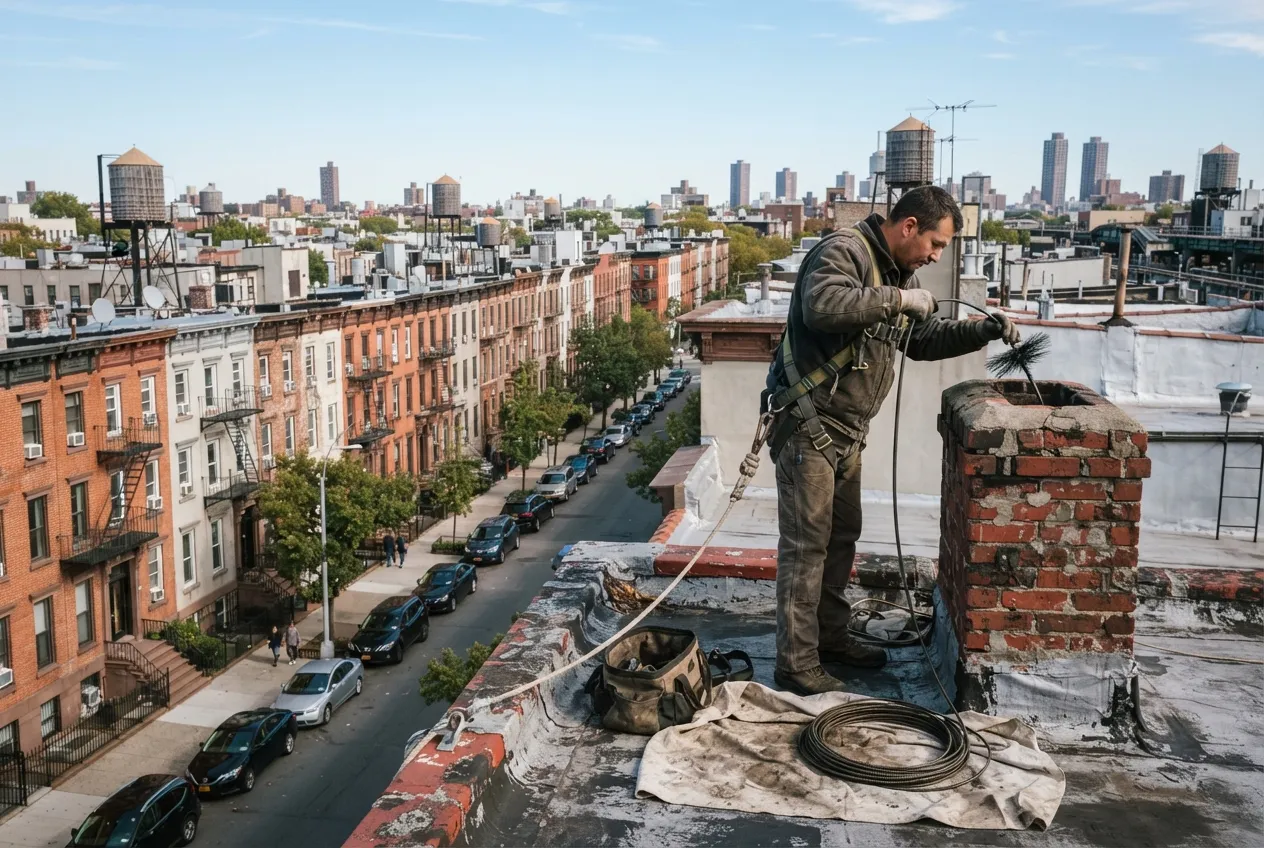
AshVanta repairs chimney masonry, crowns, flashing, caps and flue liners for brownstones, rowhouses and pre-war buildings in Morningside Heights. Every repair starts with an inspection so we fix the actual cause, and we can also evaluate and reline chimneys when a building converts its boiler from oil to gas.
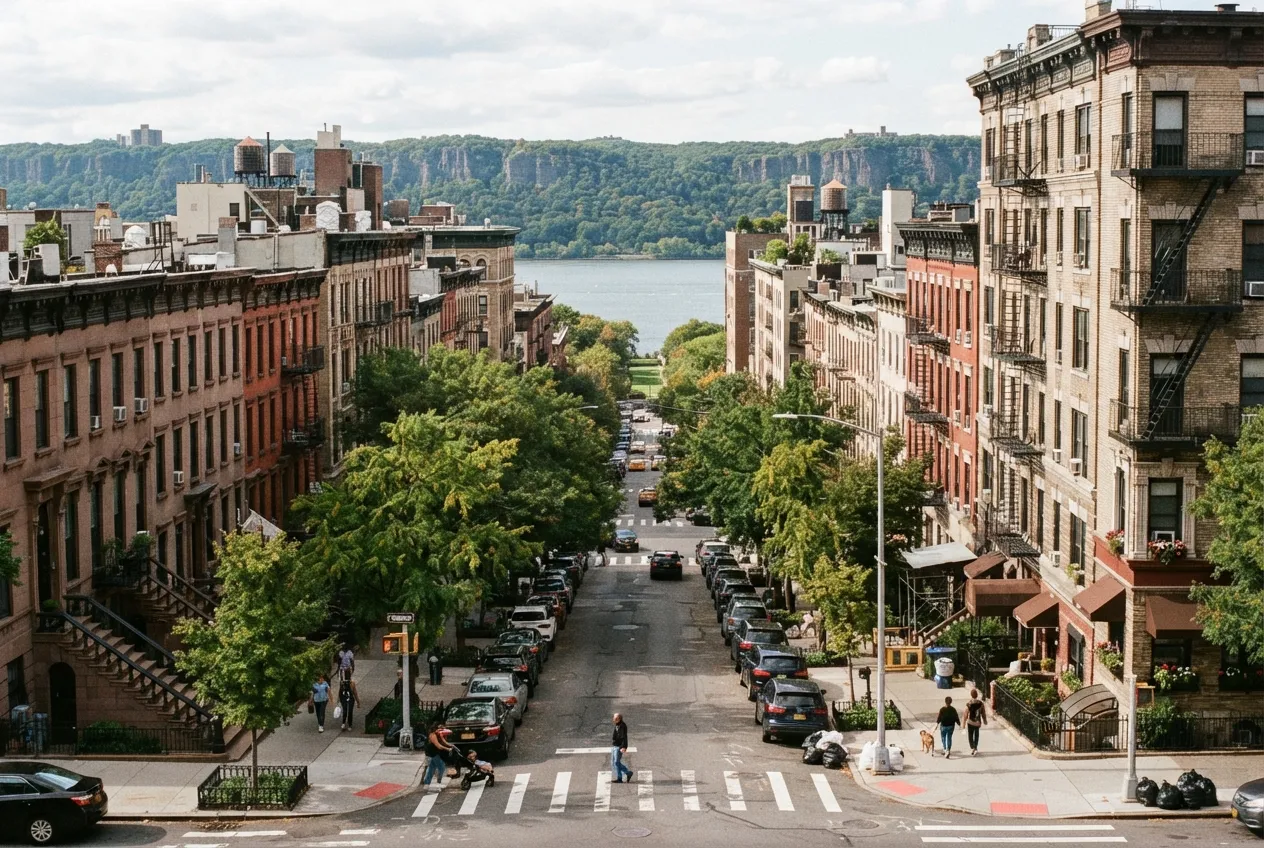
Morningside Heights has a large share of older masonry: pre-war apartment buildings, brownstones and rowhouses with chimneys that have taken decades of freeze-thaw cycles, wind off the river and heating seasons. AshVanta Chimney Services repairs those chimneys for homeowners, co-op boards and building owners in ZIP codes 10027 and 10115. Our office is in Yorkville, about 2 miles away, so we can get to Morningside Heights quickly to inspect damage, explain what we find in plain terms, and fix what needs fixing. Our technicians are certified, and we focus on repairs that address the cause of a problem, not just the visible symptom.
Common Chimney Problems in Morningside Heights Homes
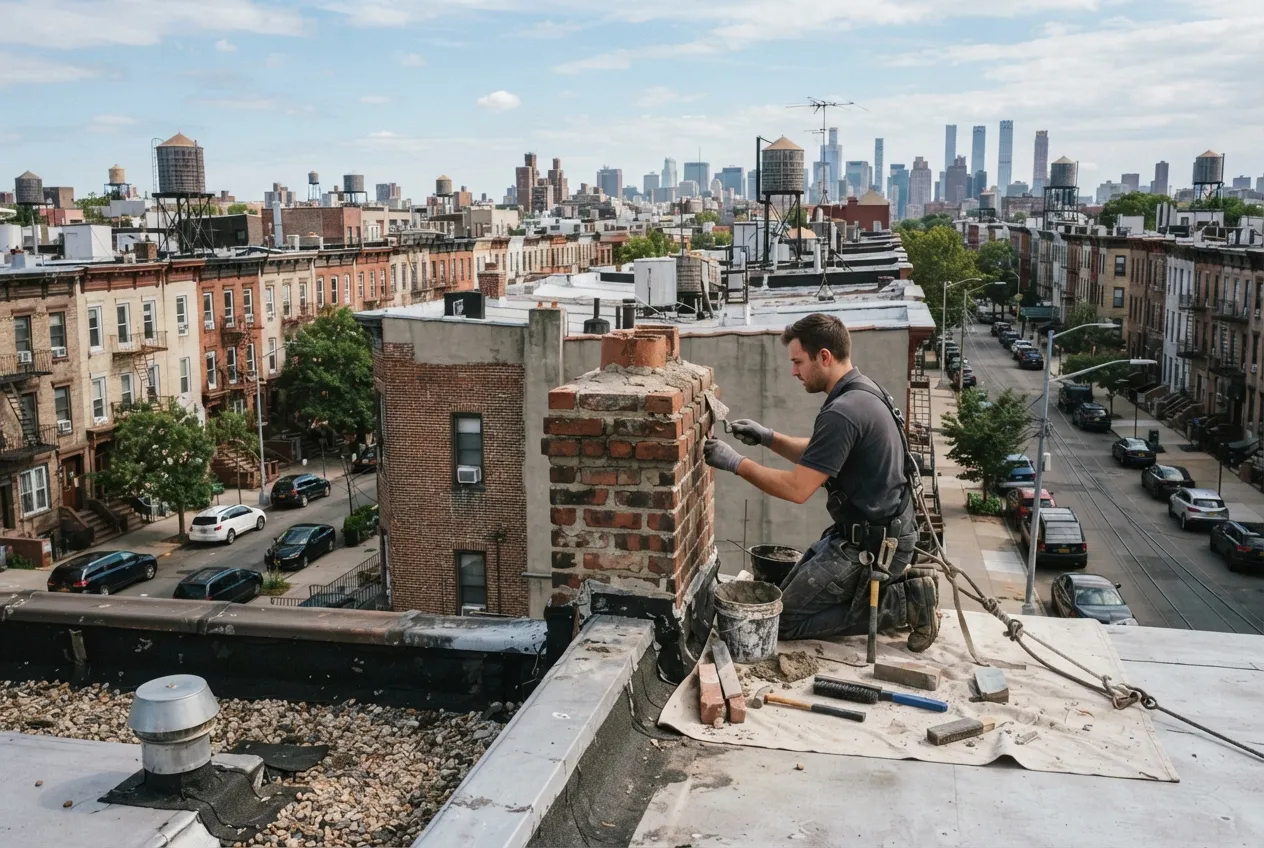
Most chimney damage we see in this neighborhood comes from age and water. Brick and mortar on older Manhattan buildings absorb moisture, and when that water freezes and thaws through the winter, it breaks down joints and faces of brick. On a brownstone or rowhouse, the chimney often shares walls with neighbors and runs through several floors, so a small leak at the top can show up as stains or crumbling plaster well below the roof.
On pre-war apartment buildings, tall masonry chimneys that once served oil or coal boilers may be carrying very different exhaust today. That change can wear out a flue that was never designed for it.
- Cracked, missing or eroded mortar joints
- Spalling brick, where the face of the brick flakes or pops off
- Cracked or crumbling chimney crowns that let water into the flue
- Failed flashing where the chimney meets the roof
- Missing or damaged chimney caps, allowing rain, debris and animals inside
- Cracked, deteriorated or missing flue liners
How We Approach a Chimney Repair
We start by looking at the whole system, not just the spot that is leaking or falling apart. The NFPA 211 standard calls for chimneys, fireplaces and vents to be inspected once a year, and it describes three inspection levels. A Level 1 inspection fits when nothing has changed. A Level 2 inspection is used when the system changes, such as a new appliance or a switch of fuel, or when the home is sold. A Level 3 inspection is needed when a hidden hazard has to be reached by opening part of the chimney or the building.
After the inspection, we walk you through what we found, which problems are urgent, and which can be planned for later. For co-ops and condos, we can provide the written findings boards and managing agents usually ask for before approving work.
Oil-to-Gas Conversions and Flue Relining
Many older buildings in Morningside Heights have switched, or are planning to switch, their boilers from oil to gas. In New York City, the chimney has to be evaluated as part of that conversion. A new liner is often needed because gas exhaust produces acidic condensate that can corrode a masonry flue from the inside.
We inspect the existing flue, check its size and condition against the new equipment, and install a properly sized liner when one is required. Coordinating this with your heating contractor early helps keep the conversion on schedule and avoids surprises when the new boiler is ready to fire.
Time for your annual chimney check?
Timing Repairs Around the Heat Season
New York City's heat season runs from October 1 through May 31, and building owners must keep apartments heated to the city's minimum temperatures during that period. A chimney problem that takes a boiler offline in January is a serious issue for a building full of tenants or shareholders.
For that reason, we recommend scheduling inspections and planned repairs in late spring and summer whenever possible. Masonry work also cures better in milder weather. If something fails during the heating months, call us and we will help you figure out what can be made safe right away and what should be scheduled once the weather allows.
Serving Morningside Heights and Nearby Neighborhoods
We work throughout ZIP codes 10027 and 10115, from single-family brownstones and rowhouses to larger pre-war apartment buildings. We also repair chimneys in the nearby neighborhoods of Manhattan Valley, the Upper West Side, East Harlem, Carnegie Hill and Yorkville, where our office is located.
More services in Morningside Heights
- Chimney Sweep in Morningside HeightsLocal service & repairs
- Chimney Inspection in Morningside HeightsLocal service & repairs
- Air Duct Cleaning in Morningside HeightsLocal service & repairs
- Chimney Liner Installation in Morningside HeightsLocal service & repairs