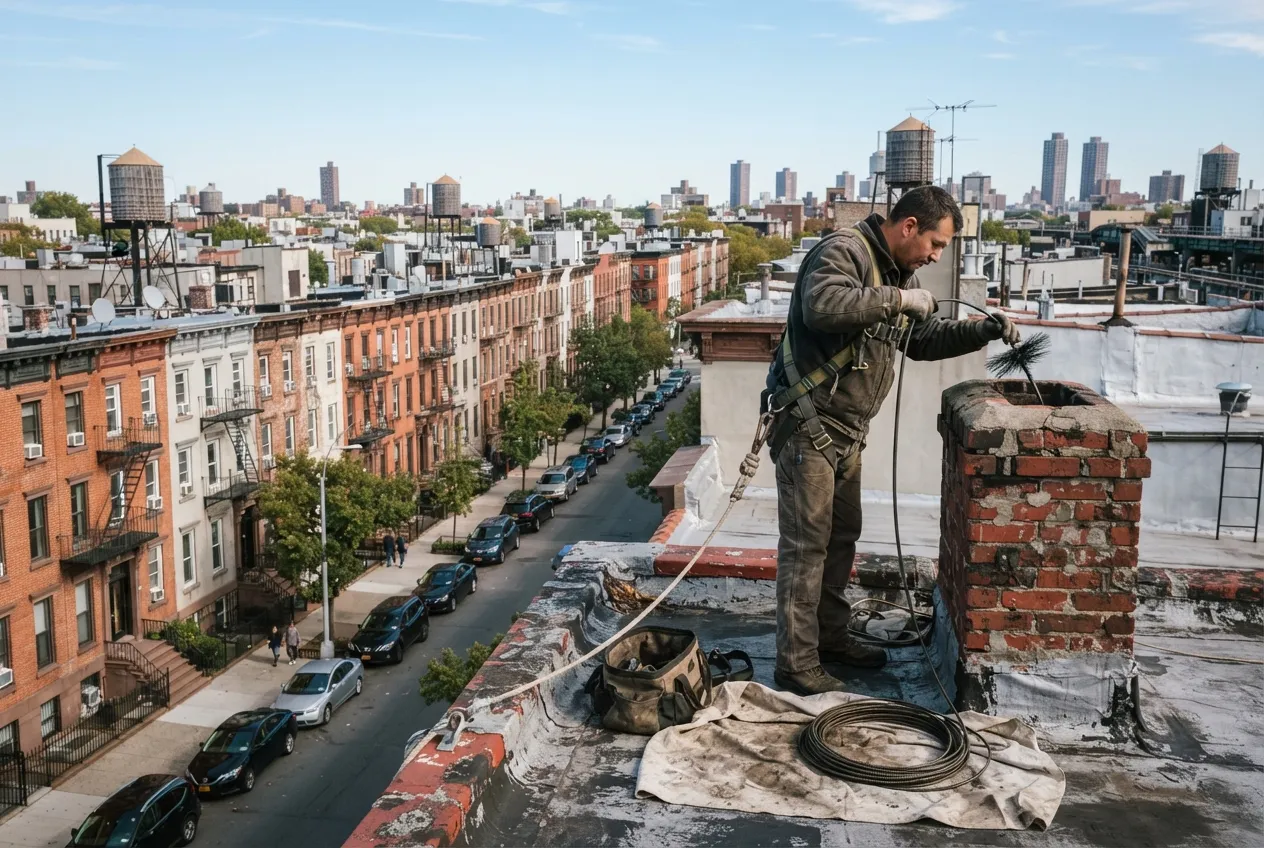
The short answer
The NFPA 211 standard calls for chimneys, fireplaces and vents to be inspected once a year, and Morningside Heights homes are no exception. AshVanta's certified technicians perform Level 1, 2 and 3 inspections in ZIP codes 10027 and 10115. Level 2 is the right choice after a boiler conversion, a new appliance, or a home sale.
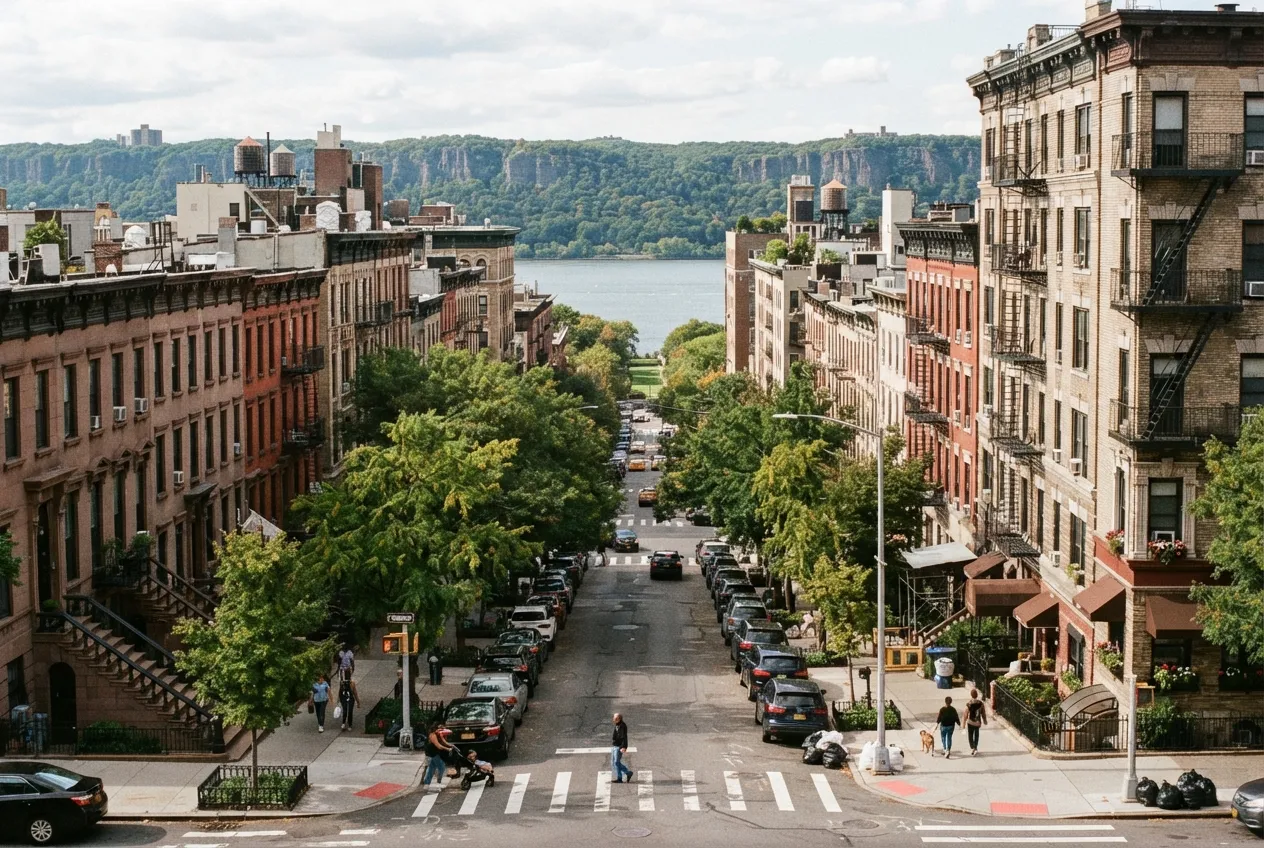
Morningside Heights has a lot of older masonry: brownstones, rowhouses, and large pre-war apartment buildings, many with chimneys that have served several generations of heating equipment. A chimney can look fine from the street and still have cracked flue tiles, loose mortar, or a liner that no longer suits the appliance connected to it. AshVanta Chimney Services inspects fireplaces, chimneys, and vents for homeowners and building owners in ZIP codes 10027 and 10115. Our office in Yorkville is about 2 miles south, so getting to you is straightforward. Our certified technicians tell you what condition your chimney is in, what needs attention now, and what can wait.
Why Inspection Matters for Morningside Heights Chimneys
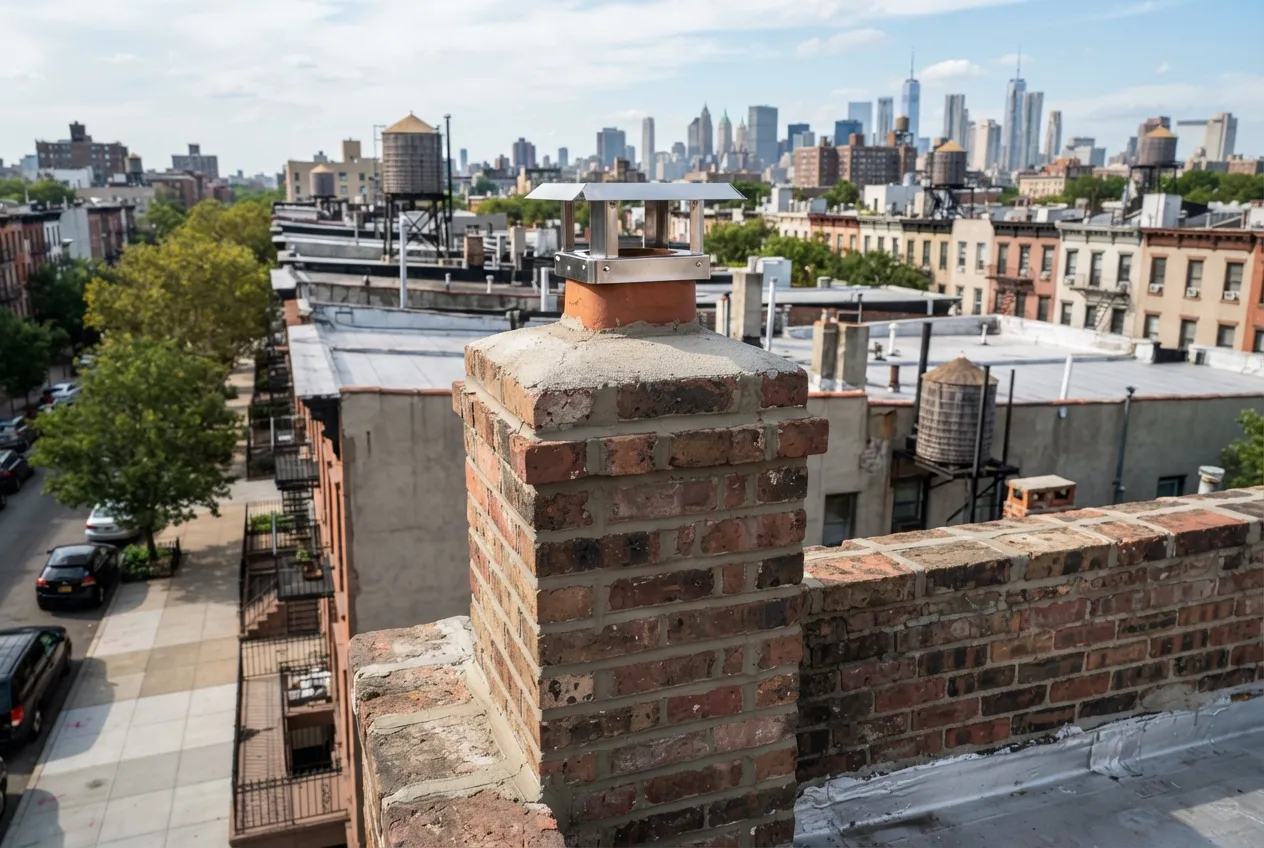
Most chimneys in this neighborhood are brick or stone and were built long before today's heating equipment existed. Over decades, freeze-thaw cycles, water entry, and changes in what burns at the bottom of the flue all take a toll. Some of that damage is visible from the roof or firebox. Much of it sits inside the flue, where only a careful inspection will find it.
In brownstones and rowhouses, a single chimney stack often holds several flues serving fireplaces on different floors, sometimes alongside a flue for the boiler or water heater. In pre-war apartment buildings, the main concern is usually the boiler chimney. Either way, a problem in one flue can affect the rooms and units around it, so it pays to know the condition of the whole system.
The Three Inspection Levels
Chimney professionals use three levels of inspection under NFPA 211. We will recommend the level that fits your situation and explain why.
- Level 1: For chimneys in regular use when nothing has changed. We check the accessible parts of the chimney, firebox, damper, and connections, and look for blockages, buildup, and obvious damage.
- Level 2: For when something changes. That includes a new appliance, a switch of fuel, or the sale of the home. This level includes a camera inspection of the flue interior and a look at accessible areas such as attics and basements.
- Level 3: For when a hidden hazard has to be reached by opening part of the chimney or building. We only recommend this when earlier findings point to a serious problem that cannot be evaluated any other way.
Oil-to-Gas Conversions and Liners
Many older Manhattan buildings have converted, or plan to convert, their boilers from oil to gas. When a New York City building makes that switch, the chimney has to be evaluated as part of the work. A new liner is often needed, because gas exhaust produces acidic condensate that can corrode an unlined or old masonry flue from the inside.
If your building is planning a conversion, a Level 2 inspection gives you and your heating contractor a clear picture of the flue before the new equipment goes in. If a conversion already happened and the liner was never checked, an inspection is a sensible next step.
Time for your annual chimney check?
Timing Around Heat Season
New York City's heat season runs from October 1 through May 31. During those months, building owners must keep apartments heated to the city's minimum temperatures. A boiler chimney problem found in January is much harder to deal with than one found in August.
For building owners, we suggest scheduling the annual inspection in late spring or summer. That leaves time for any repairs or liner work before the boiler has to run. Homeowners who use their fireplaces in winter benefit from the same timing.
What You Get After the Inspection
After the inspection, we walk you through what we found in plain language. When a camera inspection is part of the visit, we show you photos or video of the flue interior. We separate urgent safety issues from routine maintenance and longer-term concerns. If cleaning or repair is needed, we explain the options. You decide what to do and when.
We also serve nearby neighborhoods, including Manhattan Valley, the Upper West Side, East Harlem, Carnegie Hill, and Yorkville.
More services in Morningside Heights
- Chimney Sweep in Morningside HeightsLocal service & repairs
- Chimney Repair in Morningside HeightsLocal service & repairs
- Air Duct Cleaning in Morningside HeightsLocal service & repairs
- Chimney Liner Installation in Morningside HeightsLocal service & repairs