The short answer
AshVanta Chimney Services repairs chimneys in Upper West Side brownstones, rowhouses and pre-war buildings, including masonry, crowns, flashing, dampers and flue liners. We start with an inspection, explain what we found, and repair the cause of the problem, not just the visible damage.
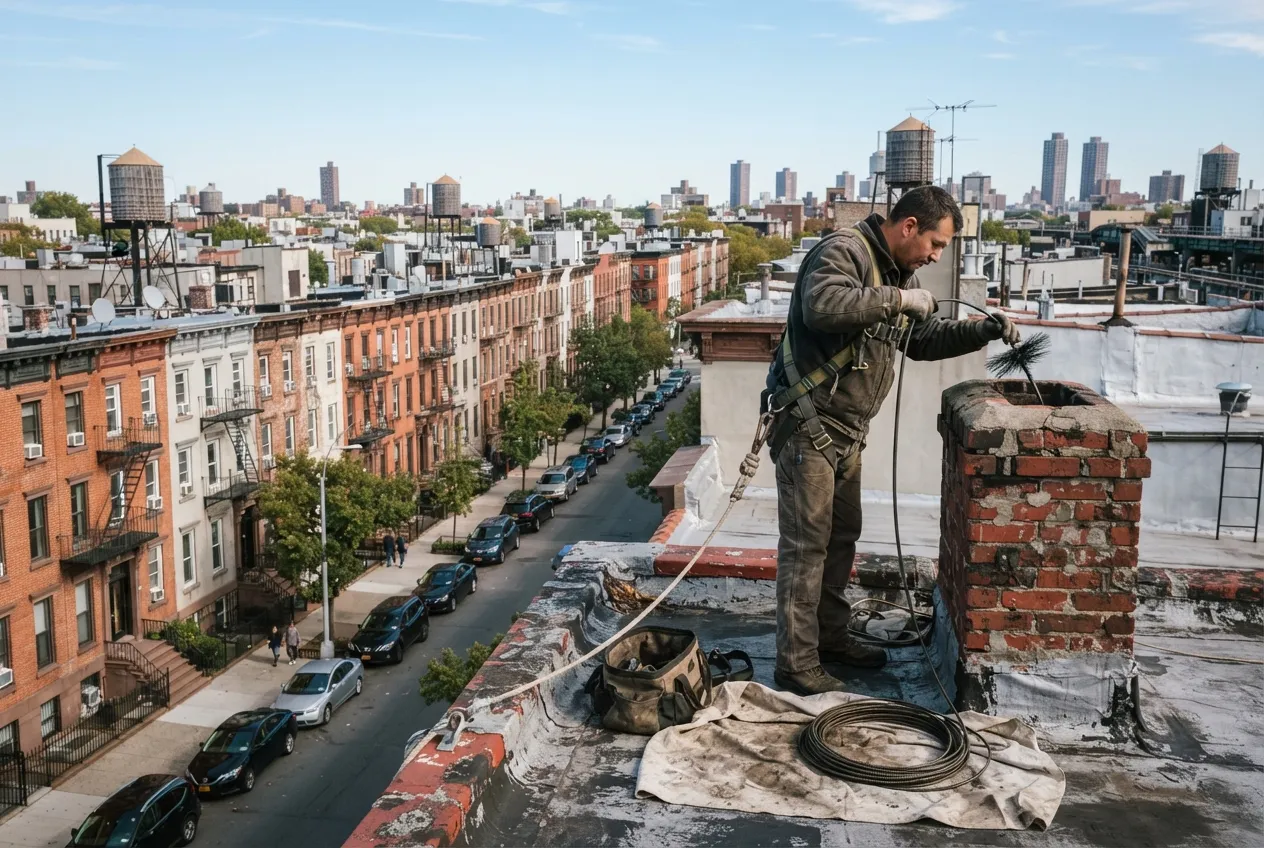
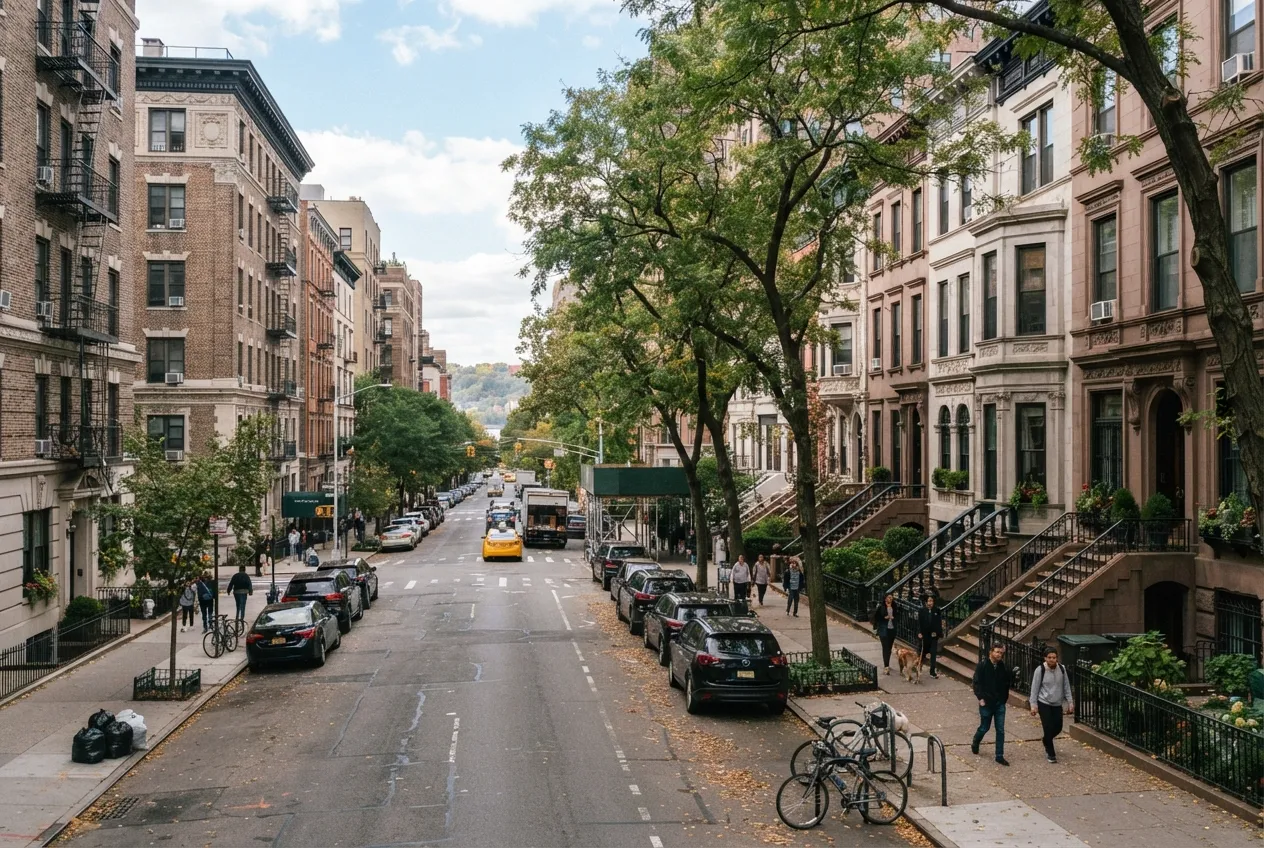
Chimneys on the Upper West Side work hard. Brownstones and rowhouses often still have their original masonry flues, and many pre-war apartment buildings vent boilers through tall shared chimneys that have been through a century of freeze-thaw cycles and fuel changes. AshVanta Chimney Services repairs chimneys across ZIP codes 10023, 10024, 10025 and 10069. Our office in Yorkville is about a mile east, so our certified technicians can get to you quickly to find out what is failing and fix it before it lets water into your walls or smoke into your rooms.
Chimney problems common in Upper West Side homes
Most chimneys in the neighborhood are brick or stone and were built long before modern gas boilers and high-efficiency appliances. That age shows up in a few predictable ways. Mortar joints near the top of the stack erode first because they take the most weather. Crowns, the concrete or mortar caps that shed rain off the top of the chimney, crack and let water soak down into the brick. Flashing where the chimney meets a flat or sloped roof pulls loose, and leaks often appear as stains on a top-floor ceiling or wall rather than near the fireplace itself.
Inside the flue, old clay tile liners can crack or separate, and unlined masonry flues can deteriorate from years of combustion byproducts. In brownstones with several fireplaces, it is common for one flue to be in good shape while the one next to it needs work, so we check each flue on its own.
Chimney repairs we handle
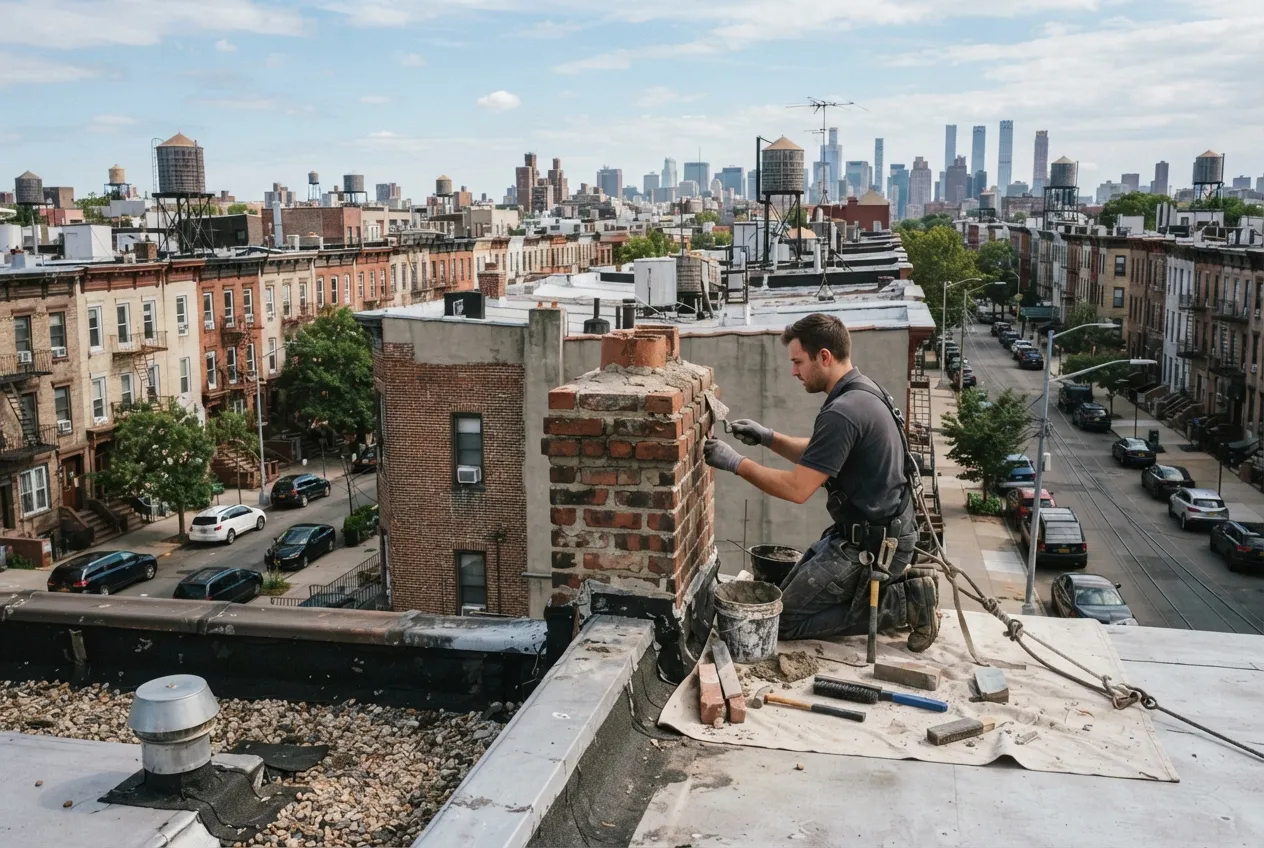
We match the repair to the cause. Patching a water stain without fixing a failed crown or flashing only means the stain comes back. Common repairs include:
- Repointing: removing failed mortar and replacing it with mortar suited to older brick
- Rebuilding or resealing cracked chimney crowns
- Replacing or resealing flashing at the roofline
- Installing chimney caps to keep out rain, debris and animals
- Repairing or replacing fireplace dampers that no longer seal
- Repairing firebox brick and mortar joints damaged by heat
- Relining flues with liners sized for the appliance they serve
- Rebuilding the top section of a chimney when brick has spalled or loosened
Boiler conversions and flue liners
Many Upper West Side buildings have moved, or are planning to move, from oil to gas heat. When a New York City building converts its boiler from oil to gas, the chimney has to be evaluated as part of the work. A new liner is often needed, because gas exhaust produces acidic condensate that can corrode a masonry flue that was fine for oil.
If your building is converting, or has already converted and the chimney was never relined, we can inspect the flue, tell you whether it is suitable for the new appliance, and install a properly sized liner if it is not. Building owners and co-op boards get a clear written description of what we found so they can plan the work with their other contractors.
Time for your annual chimney check?
When to schedule chimney repair
The NFPA 211 standard calls for chimneys, fireplaces and vents to be inspected once a year. A Level 1 inspection fits when nothing has changed. A Level 2 inspection is the right choice when the system changes, such as a new boiler or a fuel switch, or when a home is sold. A Level 3 inspection is used when a suspected hazard is hidden and part of the chimney or building has to be opened to reach it.
Timing matters in this city. New York City's heat season runs from October 1 through May 31, when building owners must keep apartments heated to the city's minimum temperatures. A boiler chimney that needs repair in the middle of winter can put a building in a difficult position, so late spring and summer are the best times to find and fix problems. For fireplaces, getting repairs done before the first cold snap means you can use them when you actually want to.
How a repair visit works
We begin by inspecting the chimney from the roof, the firebox and the flue, using a camera where we cannot see directly. We then explain what we found in plain terms, show you photos, and tell you which repairs are urgent and which can wait. Once you approve the work, we protect floors and furnishings, complete the repair, and walk you through what was done. In apartment buildings we coordinate roof access with the super or managing agent so the visit causes as little disruption as possible.
More services in Upper West Side
- Chimney Sweep in Upper West SideLocal service & repairs
- Chimney Inspection in Upper West SideLocal service & repairs
- Air Duct Cleaning in Upper West SideLocal service & repairs
- Chimney Liner Installation in Upper West SideLocal service & repairs