The short answer
Upper West Side chimneys often need a new liner because the original clay tiles have cracked or because a boiler is switching from oil to gas, whose acidic condensate can corrode an unlined or damaged masonry flue. AshVanta inspects the flue first, then installs a liner sized to the appliance it serves.
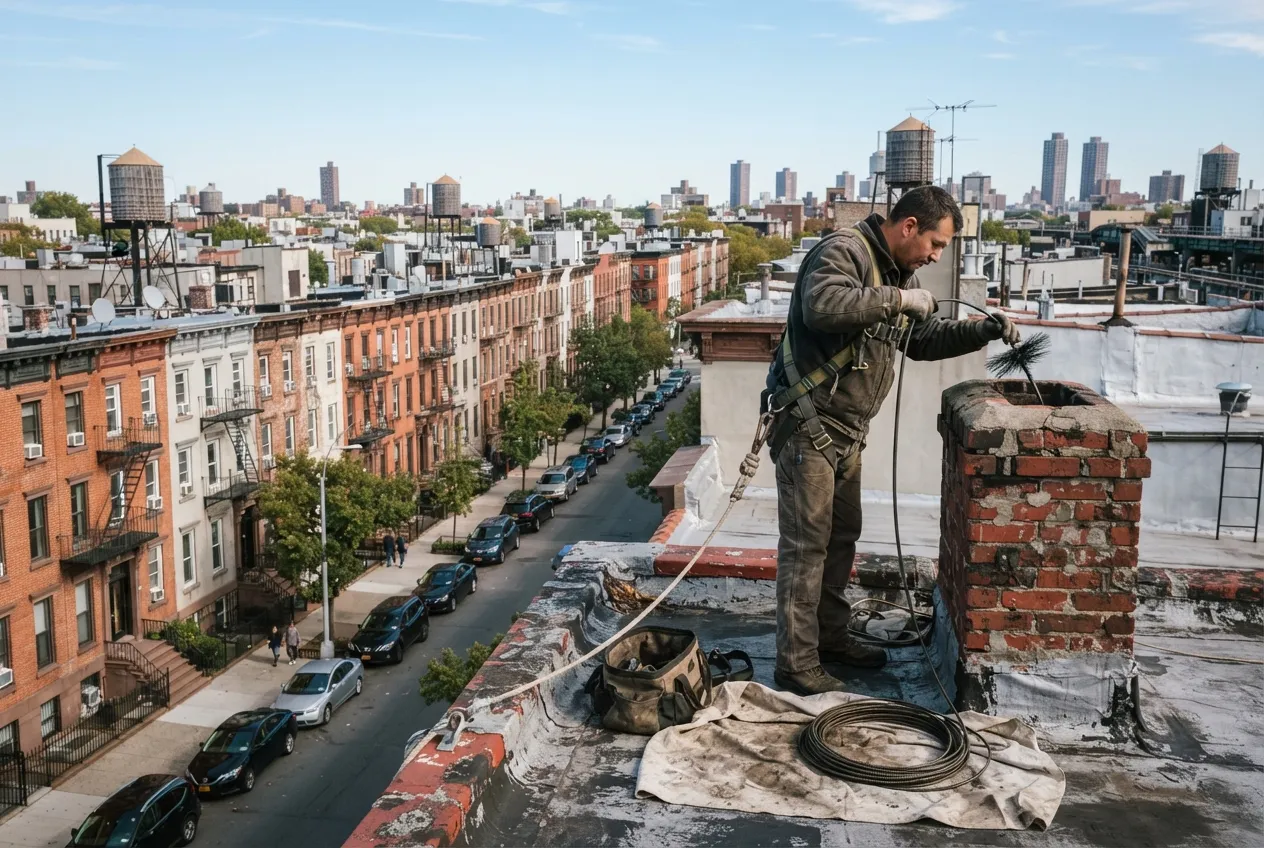
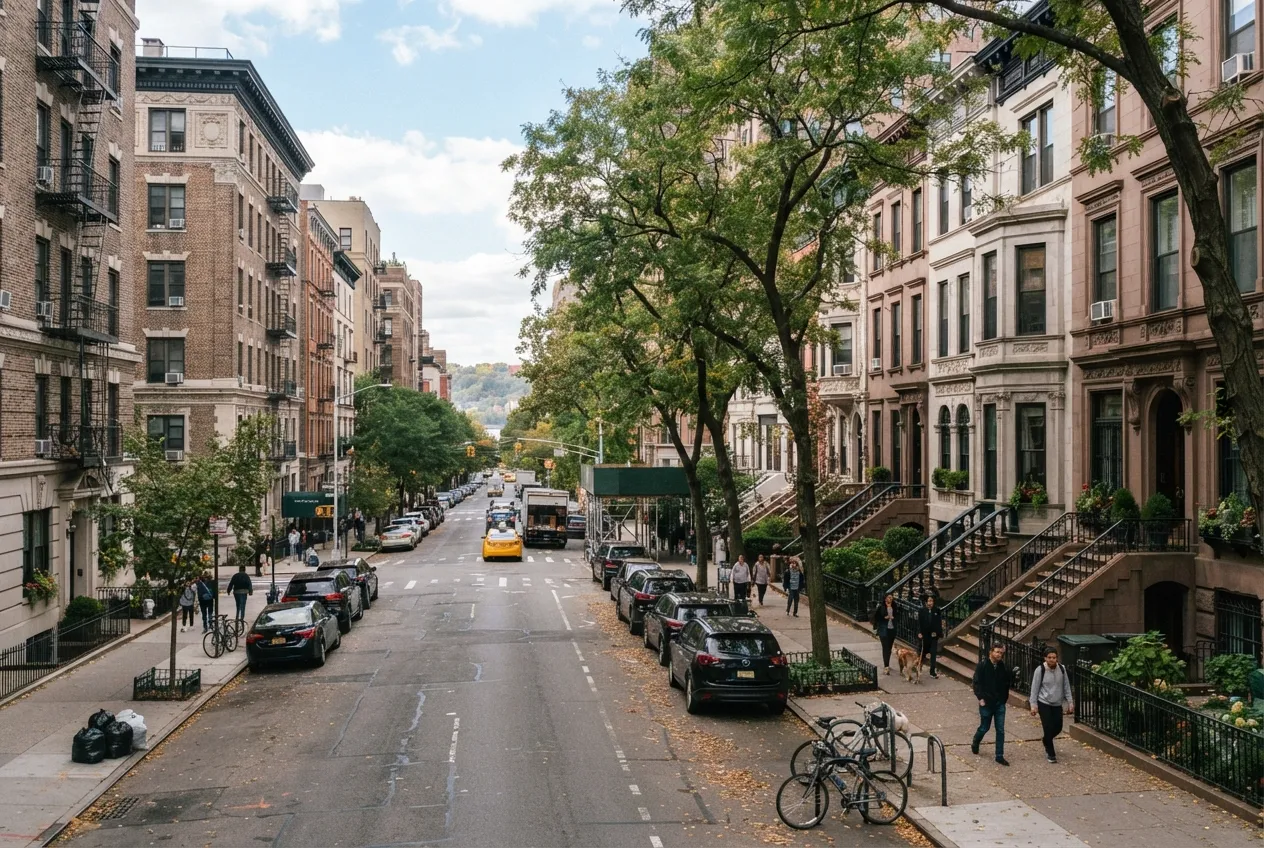
Many Upper West Side homes were built long before today's heating equipment existed. Brownstones, rowhouses and pre-war apartment buildings often have masonry chimneys with clay tile flue liners that have cracked, shifted or worn away. Some were built with no liner at all. A sound liner keeps heat, smoke and exhaust gases inside the flue and away from the wood framing, plaster and neighboring walls around it. AshVanta Chimney Services installs chimney liners for homes and buildings across ZIP codes 10023, 10024, 10025 and 10069. Our office in Yorkville is a short trip away. Our certified technicians start by finding out what your chimney serves and what condition it is in, then fit a liner sized and suited to that appliance.
Why Liners Fail in Upper West Side Buildings
Older Manhattan chimneys take a lot of punishment. Decades of freeze-thaw cycles, settling masonry and hot flue gases can crack clay tiles and wash out the mortar joints between them. Once there are gaps, heat and combustion byproducts can reach the brick and the building materials behind it. Brownstones and rowhouses share party walls, so a damaged flue is a concern for the house next door as well as your own.
We usually find liner problems during a chimney inspection. The NFPA 211 standard calls for chimneys, fireplaces and vents to be inspected once a year. A camera inspection of the flue often shows damage that can't be seen from the firebox or the roof.
Oil-to-Gas Conversions and Boiler Flues
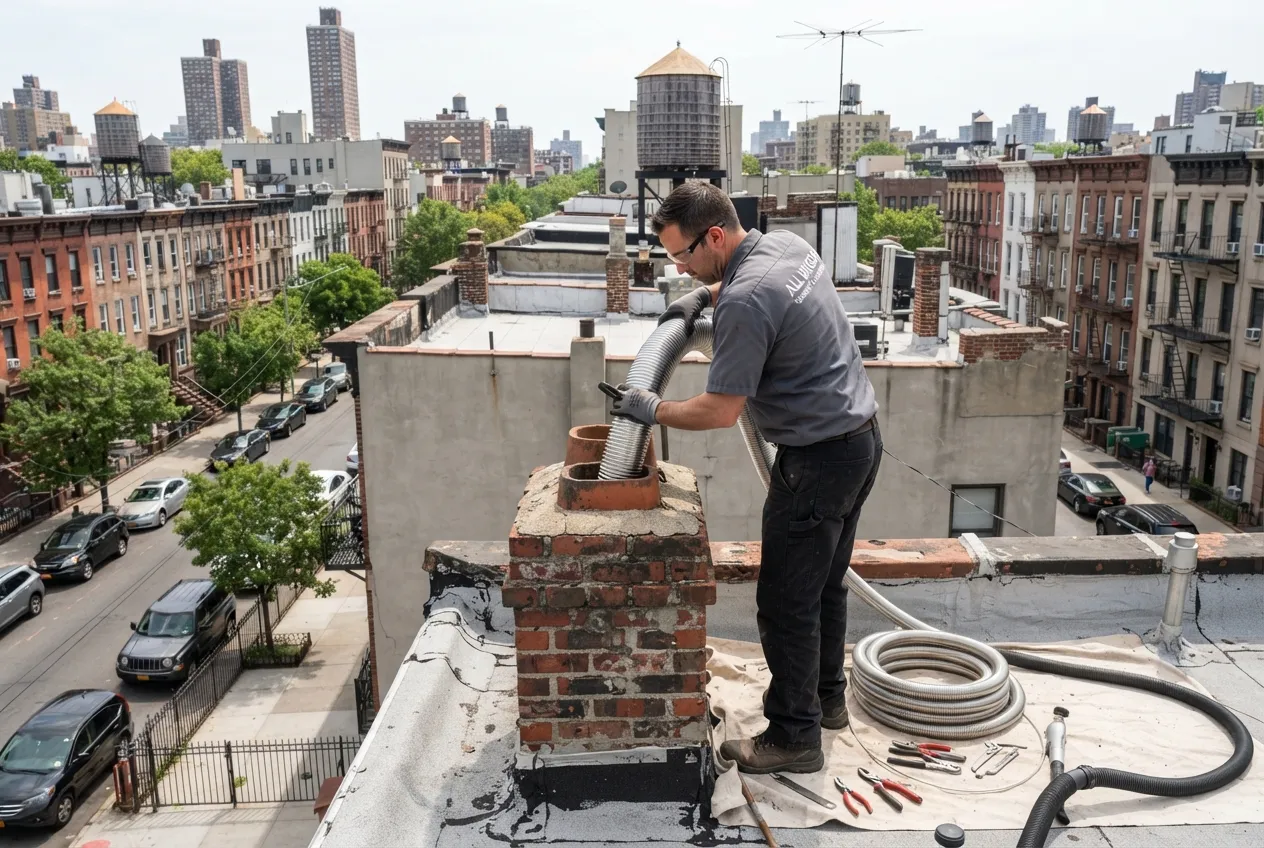
Many pre-war apartment buildings and larger townhouses on the Upper West Side have converted, or plan to convert, their boilers from oil to gas. When a New York City building makes that switch, the chimney has to be evaluated as part of the work. A new liner is often needed because gas exhaust produces acidic condensate that can corrode a masonry flue.
A change of fuel is also the kind of system change that calls for a Level 2 inspection under the NFPA 211 inspection levels. We work with owners, managing agents and the heating contractor. We evaluate the existing flue and install a liner matched to the new equipment so the conversion can move forward.
Liners for Fireplaces and Stoves in Brownstones
Many Upper West Side brownstones and rowhouses still have working fireplaces. Some owners also want to bring an old fireplace back into use or add a wood or gas insert. In each case the flue has to be the right size for the appliance and in sound condition before anyone lights a fire.
For an insert or stove, a properly sized liner helps the appliance draft correctly and reduces creosote buildup. For an open fireplace, a damaged flue may need relining before it can be used safely again. We explain what we found, show you photos or video from the inspection, and lay out your options plainly.
Time for your annual chimney check?
What the Installation Process Looks Like
Every chimney is a little different, but most liner jobs follow the same basic steps:
- Inspect the chimney and flue, including a camera inspection of the interior
- Confirm which appliance the flue serves and measure for the correct liner size
- Clean the flue so the liner goes into a clear passage
- Install the liner from the top of the chimney and connect it at the appliance end
- Fit the appropriate cap and top plate to keep out rain, debris and animals
- Check draft and connections, then review the finished work with you
Planning Around Heat Season and Building Access
New York City's heat season runs from October 1 through May 31. During that time building owners must keep apartments heated to the city's minimum temperatures. If your building's boiler flue needs relining, it is usually easiest to schedule the work outside heat season, or to plan carefully so heat is not interrupted.
Roof access, co-op and condo approvals, and coordination with neighbors are common in Upper West Side buildings. We can talk through access and timing with your building staff ahead of time. We also serve nearby Lincoln Square, Manhattan Valley, Carnegie Hill, Yorkville and the rest of the Upper East Side.
More services in Upper West Side
- Chimney Sweep in Upper West SideLocal service & repairs
- Chimney Inspection in Upper West SideLocal service & repairs
- Chimney Repair in Upper West SideLocal service & repairs
- Air Duct Cleaning in Upper West SideLocal service & repairs