The short answer
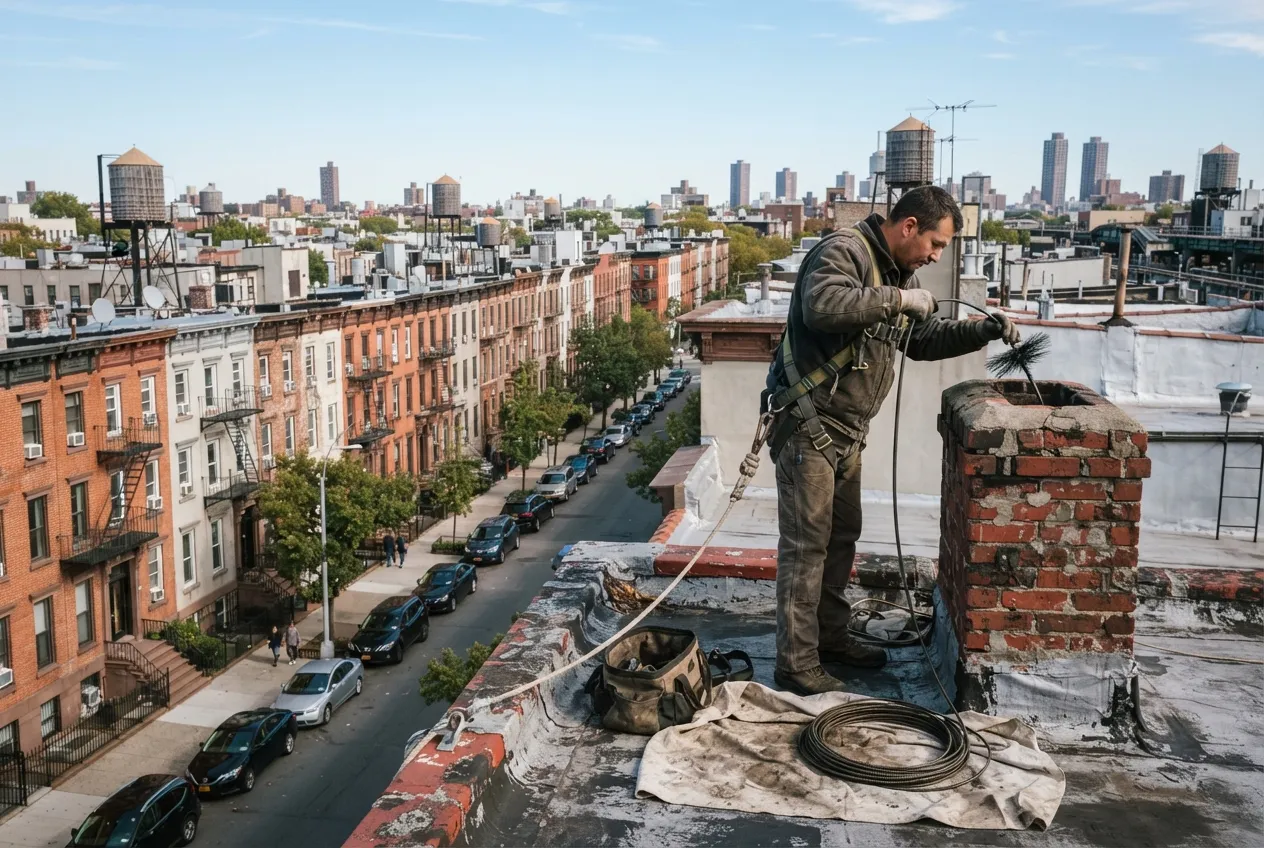
The NFPA 211 standard calls for chimneys, fireplaces and vents to be inspected once a year. Our certified technicians perform Level 1, Level 2 and Level 3 inspections across the Upper West Side, depending on whether anything has changed in your system and what needs to be examined.
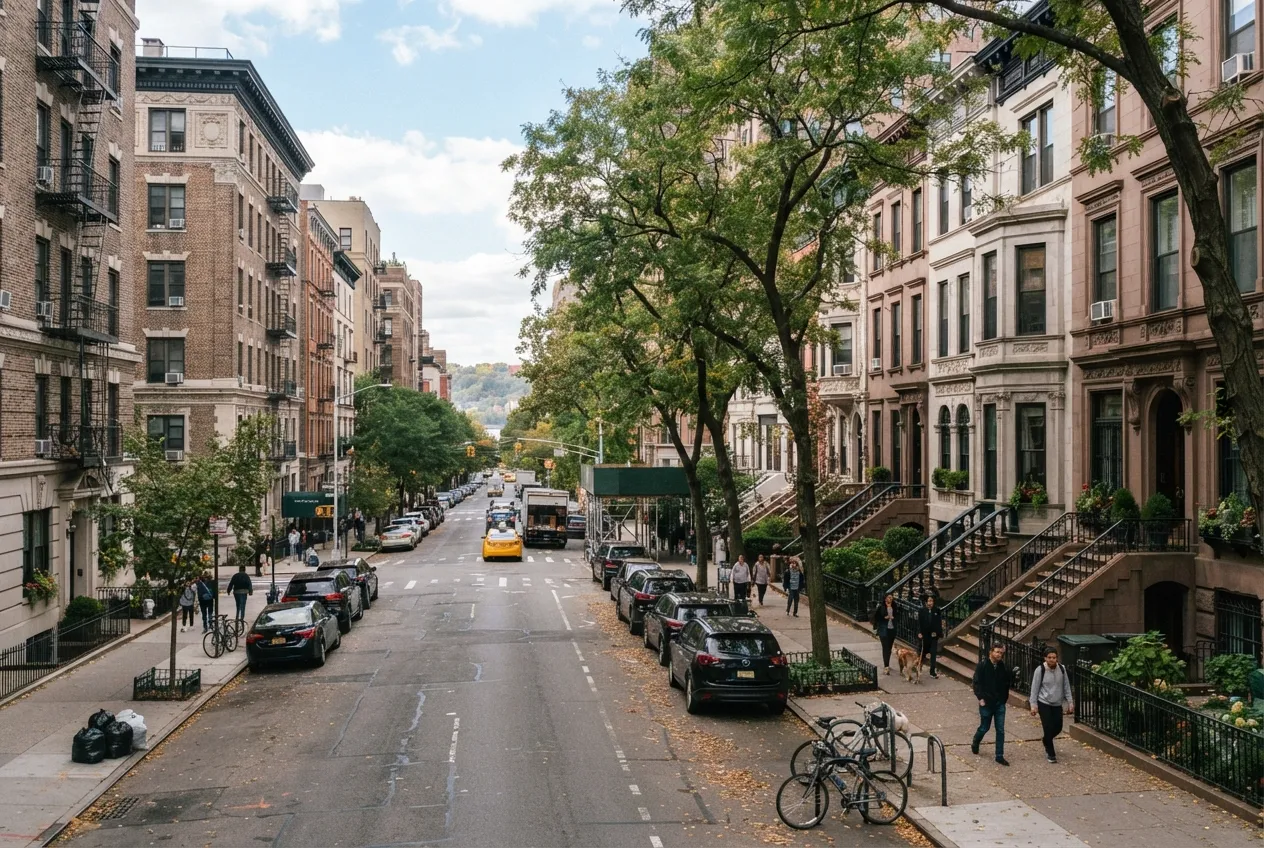
Many Upper West Side homes have chimneys that have served several generations of owners. A brownstone may have a working fireplace on the parlor floor and sealed ones above it. A rowhouse may share a chimney stack with its neighbors. A pre-war apartment building may run its boiler exhaust up a tall masonry flue. AshVanta Chimney Services inspects these systems for homeowners and building owners in ZIP codes 10023, 10024, 10025 and 10069. Our office in Yorkville is a short trip away. An inspection tells you what condition your chimney is in, what needs attention and what can wait, so you can make decisions based on what was found.
Which Inspection Level Your Home Needs
Chimney professionals use three inspection levels. We recommend the one that fits your situation rather than defaulting to the most involved option.
A Level 1 inspection is for a chimney whose use and setup have not changed. It covers the readily accessible parts of the chimney, firebox, damper and connections. A Level 2 inspection is called for when the system changes, such as a new appliance or a switch of fuel, or when the home is sold. It usually includes a camera inspection of the flue interior. A Level 3 inspection is reserved for cases where a hidden hazard has to be reached by opening part of the chimney or building. We only recommend it when the earlier levels point to a concern that cannot be checked any other way.
Brownstones, Rowhouses and Townhouse Fireplaces
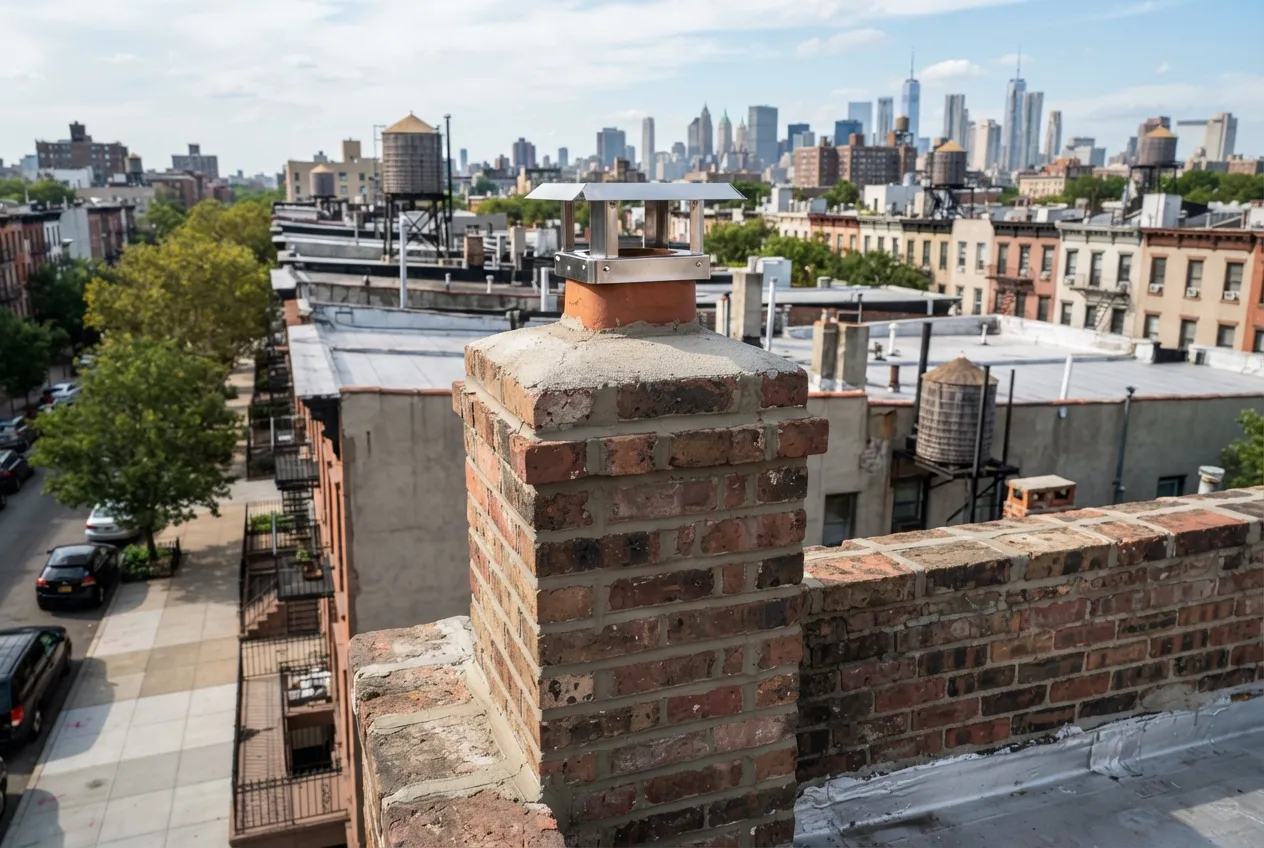
Older Upper West Side brownstones and rowhouses often have several fireplaces stacked floor over floor, each with its own flue in a shared masonry chimney. Over time, owners renovate. Some fireplaces get closed off, some get gas logs and some stay wood-burning. Each of these changes affects how the flues should be evaluated.
In attached homes, we look closely at the masonry between flues, at the crown and cap where weather does the most damage, and at signs of water entry inside the house. We note where one flue may be affecting another. We explain what we find in plain terms and point out which issues affect safe use and which are maintenance items.
Pre-War Buildings and Boiler Chimneys
Many apartment buildings in the neighborhood vent their heating plant through a masonry chimney that was built long before today's equipment. When a New York City building converts its boiler from oil to gas, the chimney has to be evaluated as part of the work. A new liner is often needed because gas exhaust produces acidic condensate that can corrode a masonry flue.
If your co-op, condo or rental building is planning a conversion or has recently completed one, a Level 2 inspection can document the flue's condition and show whether relining should be part of the project. We can also inspect boiler chimneys in buildings where nothing has changed, as part of routine yearly upkeep.
Time for your annual chimney check?
Timing Your Inspection Around Heat Season
New York City's heat season runs from October 1 through May 31. During that period, building owners must keep apartments heated to the city's minimum temperatures. For buildings that depend on a boiler chimney, it makes sense to have the inspection done before October. That leaves time to arrange any repairs before the heat has to stay on.
Homeowners with fireplaces benefit from the same timing. Booking in late spring or summer means any problems found can be addressed before you light the first fire of the season.
What to Expect at the Visit
We aim to keep the visit clean and straightforward, whether you live in a single-family townhouse or manage a larger building.
- We protect floors and furnishings around the fireplace or appliance before starting.
- We examine the firebox, damper, smoke chamber and flue, using a camera where the inspection level calls for it.
- Where safe access is available, we check exterior masonry, the crown and the cap.
- We review our findings with you on site and answer questions.
- You receive a written summary that separates urgent safety issues from items to monitor.
More services in Upper West Side
- Chimney Sweep in Upper West SideLocal service & repairs
- Chimney Repair in Upper West SideLocal service & repairs
- Air Duct Cleaning in Upper West SideLocal service & repairs
- Chimney Liner Installation in Upper West SideLocal service & repairs