The short answer
Chimney repair in East Harlem usually means fixing worn mortar and brick, cracked crowns, leaking flashing, broken dampers, or damaged flue liners in older masonry chimneys. We start with an inspection to find the cause, then explain the repair options before any work begins.
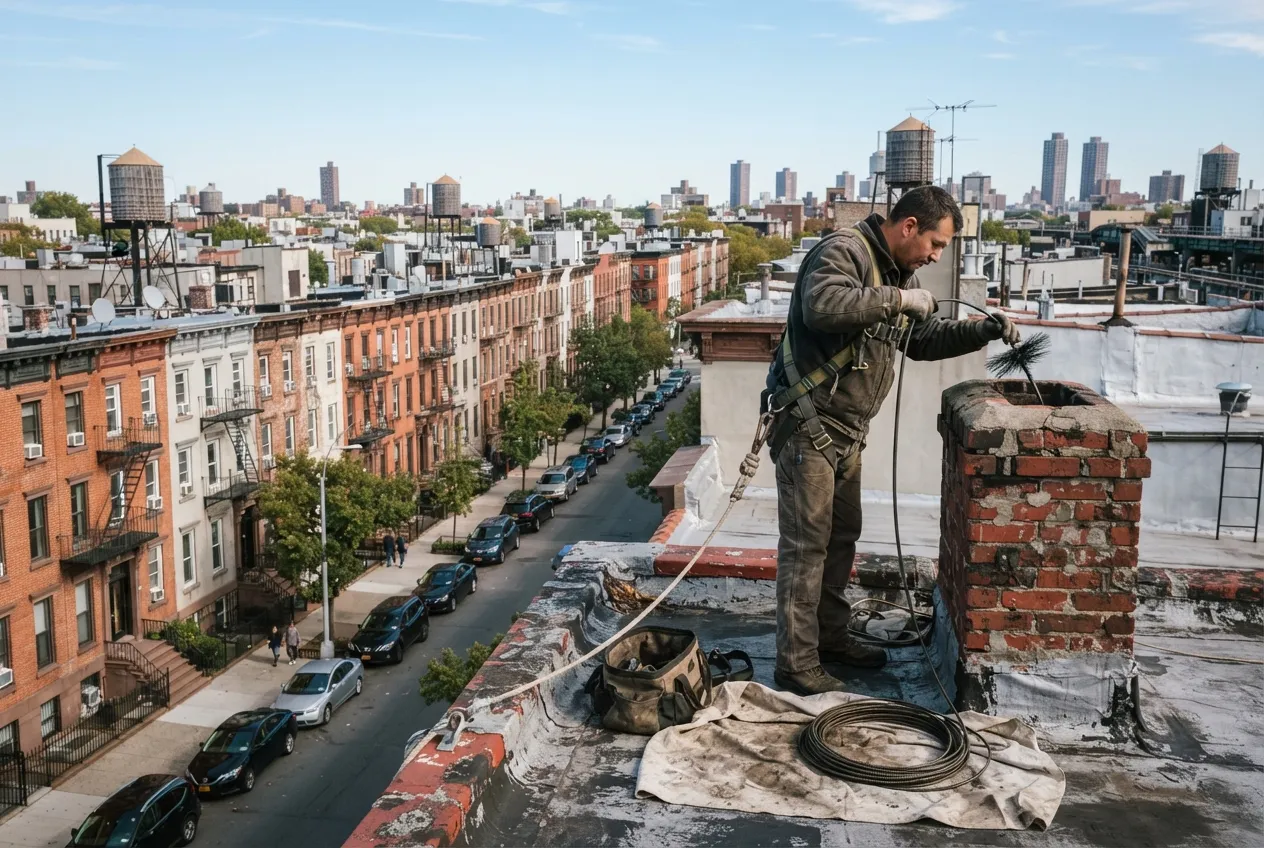
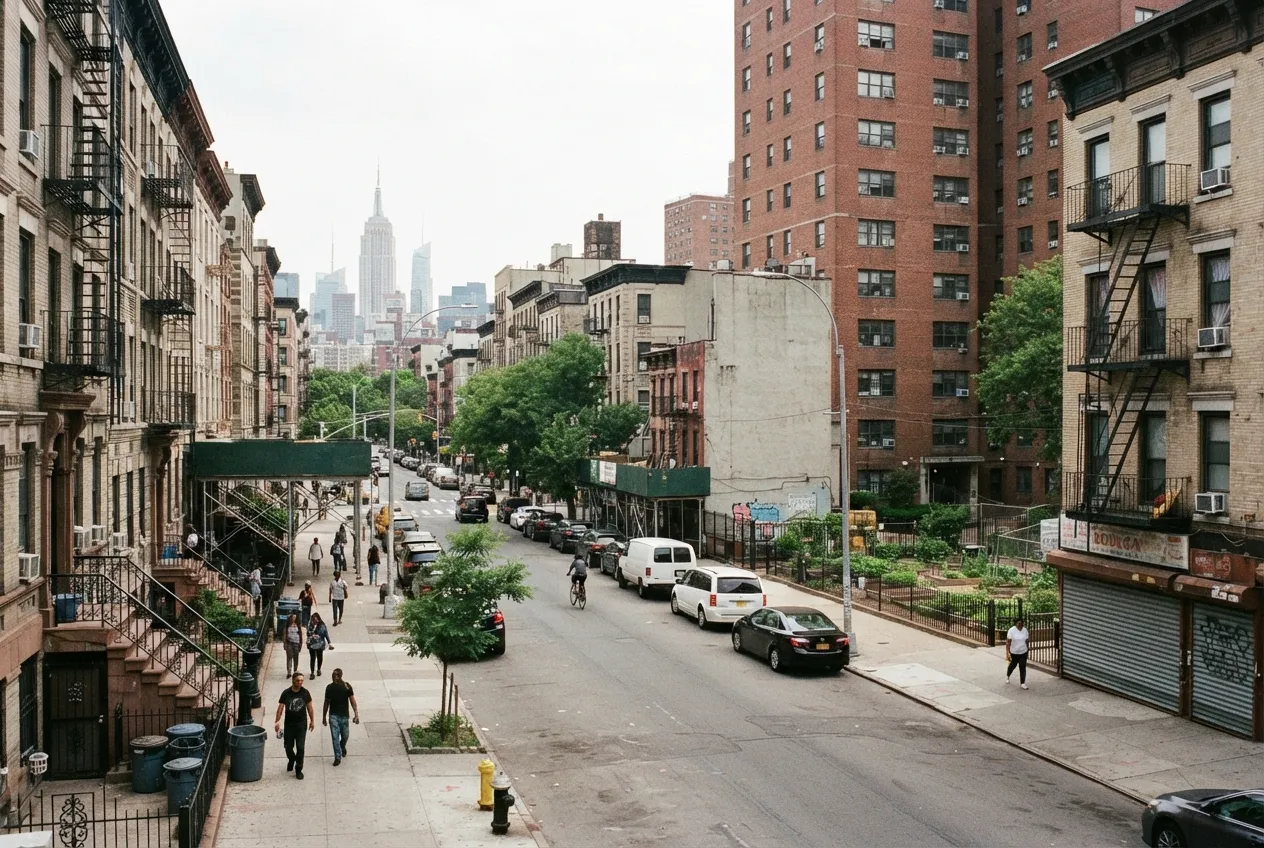
East Harlem's brownstones, rowhouses and pre-war apartment buildings depend on chimneys that have been working for a very long time. Brick, mortar, crowns and flue liners all wear out, and Manhattan weather is hard on them. Freeze-thaw cycles, wind-driven rain and decades of exhaust take a toll. AshVanta Chimney Services is based in Yorkville, about a mile southwest of East Harlem, so our certified technicians can reach homes in ZIP codes 10029 and 10035 quickly. This page covers the repairs we make most often in the neighborhood, how we decide what a chimney needs, and what to expect when we come out.
Why Chimneys in East Harlem Need Repair
Most chimneys in East Harlem are masonry and were built into rowhouses, brownstones and walk-up buildings many decades ago. Masonry is durable, but it is not permanent. Water is the main problem. Rain soaks into porous brick and mortar joints. In winter that water freezes, expands and pushes the masonry apart a little more each season. Over time this shows up as crumbling joints, flaking brick faces and loose bricks near the top of the stack.
Shared walls and tight rooflines add to the problem. Chimneys often sit right against a neighbor's building or stick up from a flat roof, where flashing and roofing seams take steady weather exposure. A small leak at the roof line can show up as a stain on a top-floor ceiling or a damp smell near the fireplace long before anyone sees damage outside.
- Spalling or flaking brick on the exposed chimney stack
- Missing or sandy mortar joints
- Cracked or crumbling chimney crown
- Water stains on ceilings or walls next to the chimney
- Rust on the damper or firebox components
- Pieces of tile or masonry falling into the firebox
Repairs We Handle
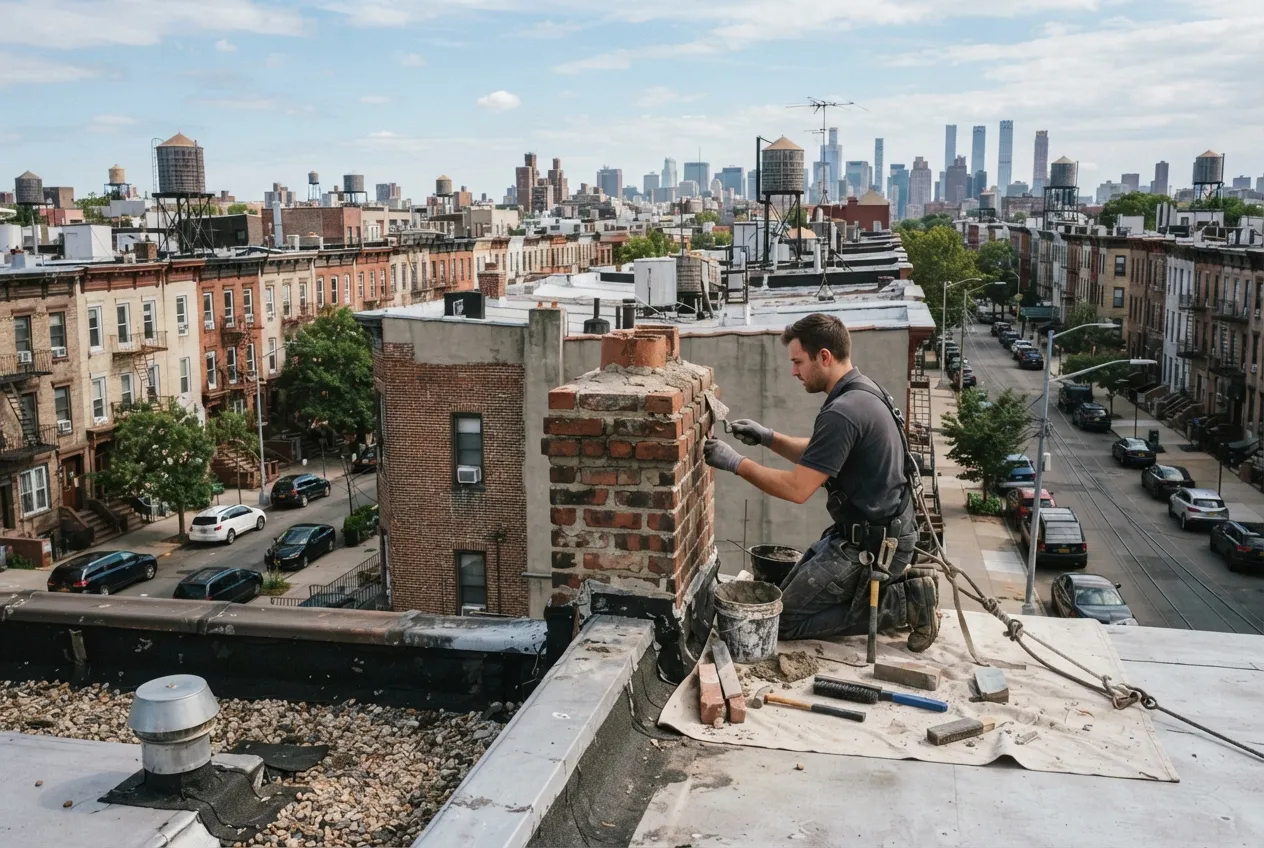
Every repair depends on what the inspection finds, but most East Harlem jobs fall into a handful of categories. We explain the cause of the problem, not only the symptom, so the fix lasts.
- Tuckpointing and repointing: removing failed mortar and packing in new mortar suited to older brick
- Brick replacement and partial rebuilds of the chimney stack above the roof
- Crown repair or replacement to shed water away from the flue
- Flashing repair where the chimney meets the roof
- Chimney cap installation to keep out rain, debris and animals
- Damper repair or replacement, including top-sealing dampers
- Firebox and smoke chamber repair inside the fireplace
- Flue liner repair and relining
Liners, Boiler Conversions and Older Buildings
Many older buildings in East Harlem vent a boiler or furnace through a masonry chimney, not just a fireplace. When a New York City building converts its boiler from oil to gas, the chimney has to be evaluated as part of that work. A new liner is often needed, because gas exhaust produces acidic condensate that can corrode a masonry flue that was never designed for it.
We inspect the existing flue, check whether it is sized and built correctly for the new appliance, and explain whether relining is needed. If you are planning a conversion or have already had one, have the chimney looked at. Liner damage is not visible from the outside.
Time for your annual chimney check?
How We Approach a Repair
We start with an inspection. The NFPA 211 standard calls for chimneys, fireplaces and vents to be inspected once a year, and it describes three levels. A Level 1 inspection fits when nothing about the system has changed. A Level 2 inspection applies when something changes, such as a new appliance or a switch of fuel, or when the home is sold. A Level 3 inspection is used when a hidden hazard has to be reached by opening part of the chimney or building.
After the inspection, we show you what we found, often with photos or camera footage of the flue, and walk through your repair options. Nothing starts until you understand the work. We protect floors and furnishings inside and keep work areas on the roof as tidy as possible, which matters in buildings with shared roofs and close neighbors.
Timing Repairs Around Heat Season
New York City's heat season runs from October 1 through May 31. During those months, building owners must keep apartments heated to the city's minimum temperatures. If your building's boiler vents through the chimney, a repair that takes the heating system offline in midwinter can cause real problems. Late spring and summer are usually the easiest times to schedule masonry rebuilding, crown work and relining. Dry weather also helps mortar cure properly.
If you notice a problem during the cold months, call us anyway. Some issues can't wait, and we can help you sort out what needs attention now and what can be planned for warmer weather.
Serving East Harlem and Nearby Neighborhoods
From our base in Yorkville, we work throughout East Harlem in ZIP codes 10029 and 10035. We also serve nearby Morningside Heights, Manhattan Valley and Yorkville, as well as Old Astoria and Hallets Point. Whether you own a single brownstone or manage a pre-war apartment building, we can inspect your chimney and recommend repairs that fit the structure.
More services in East Harlem
- Chimney Sweep in East HarlemLocal service & repairs
- Chimney Inspection in East HarlemLocal service & repairs
- Air Duct Cleaning in East HarlemLocal service & repairs
- Chimney Liner Installation in East HarlemLocal service & repairs