The short answer
East Harlem homes and buildings usually need a new chimney liner when the old clay tiles are cracked, when the flue was never lined, or when a boiler converts from oil to gas. AshVanta's certified technicians inspect the flue first, then fit a liner sized for the appliance it serves.
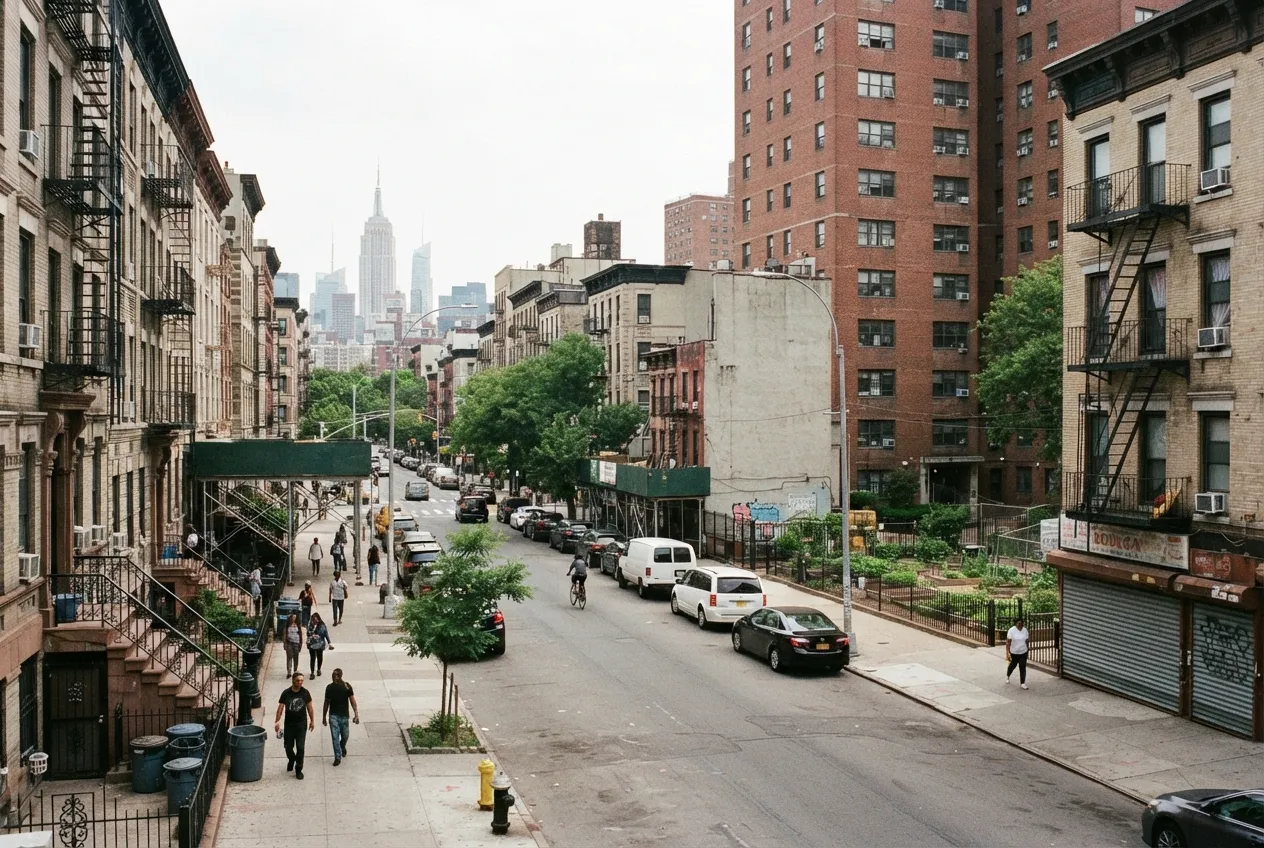
A chimney liner is the protective channel inside a flue that carries smoke and exhaust gases up and out of your home. In East Harlem, many chimneys run through brick rowhouses, brownstones and pre-war apartment buildings, and many of them were built long before today's boilers, water heaters and gas appliances existed. Original clay tile liners crack with age, some older flues were never lined at all, and fuel changes can wear out a liner that once worked fine. AshVanta Chimney Services installs chimney liners for homes and buildings in East Harlem's 10029 and 10035 ZIP codes. Our office in Yorkville is about a mile southwest, so the neighborhood is close to home for our certified technicians.
Why Liners Fail in East Harlem's Older Buildings
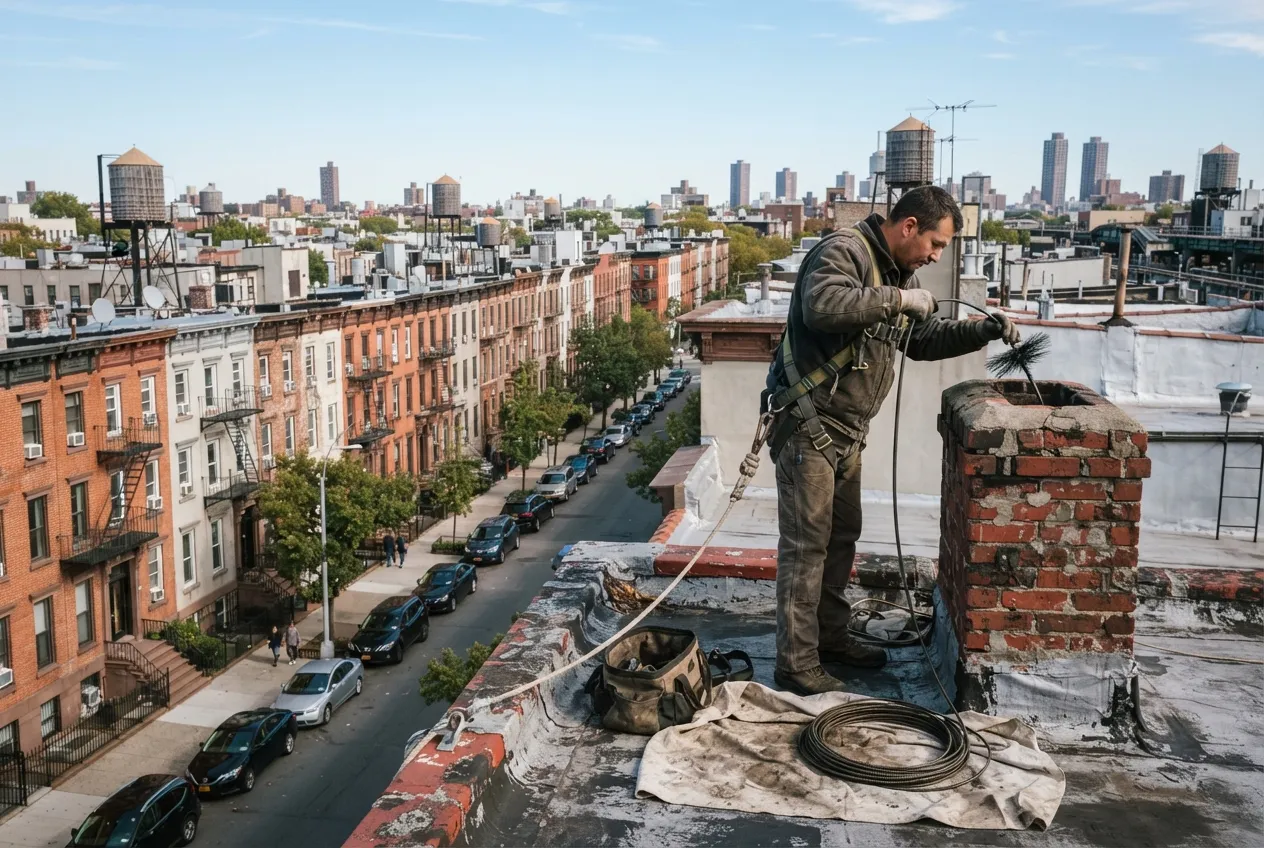
Much of East Harlem's housing is older masonry: attached rowhouses, brownstones, walk-up apartment buildings and larger pre-war buildings with central boilers. Their chimneys have handled decades of heat, moisture and freeze-thaw cycles. Clay tiles crack, mortar joints between tiles wash out, and soot and corrosion build up in places you can't see from the fireplace or the basement.
A damaged liner can let heat reach nearby wood framing. It can also let exhaust, including carbon monoxide, seep through gaps into living space or a neighboring unit. In buildings where several apartments share walls and chimney stacks, a problem in one flue can affect more than one household.
- Cracked, shifted or missing clay flue tiles
- Crumbling mortar joints inside the flue
- Masonry flues that were never lined
- Flaking or corroded interior surfaces after years of gas exhaust
- A liner that is the wrong size for the appliance now connected to it
Oil-to-Gas Conversions and New Liners
Many East Harlem buildings have converted, or are planning to convert, their boilers from oil to gas. When a New York City building makes that switch, the chimney has to be evaluated as part of the work. A new liner is often needed because gas exhaust produces acidic condensate. That condensate can corrode a masonry flue built for oil.
We look at the existing flue's condition, size and route. Then we recommend a liner suited to the new appliance. Building owners can plan around New York City's heat season, which runs from October 1 through May 31. During those months apartments must be kept heated to the city's minimum temperatures, so scheduling liner work outside that window, or keeping downtime short within it, matters.
How We Install a Chimney Liner
Every job starts with an inspection. The NFPA 211 standard calls for chimneys, fireplaces and vents to be inspected once a year. It also calls for a more detailed Level 2 inspection when the system changes, such as a new appliance or a switch of fuel. A liner project often falls into that category, so we typically use camera equipment to look at the full length of the flue.
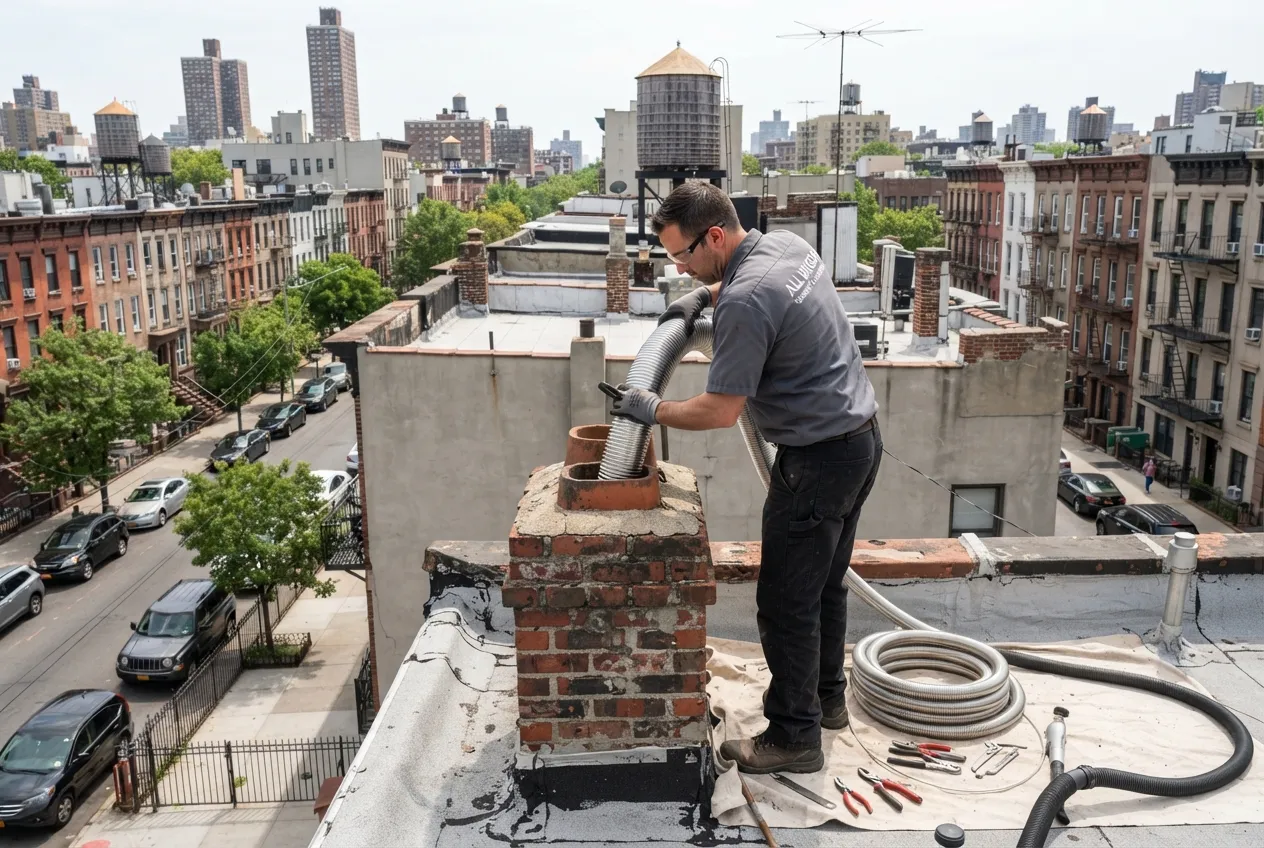
From there, the steps are straightforward. We clean the flue, measure it, and pick a liner type and diameter that match the appliance. Then we install it from the top down, connect it at the base, and cap it at the top.
- Stainless steel liners for gas, oil and many wood-burning applications
- Insulation where needed to protect surrounding materials and help the flue draft properly
- Proper connections at the appliance and a cap at the top to keep out rain and debris
- A final check that the system vents as it should
Time for your annual chimney check?
Fireplaces, Boilers and Water Heaters
Not every East Harlem liner job involves a building boiler. Owners of rowhouses and brownstones often call us before using a fireplace that has sat unused for years. Others call when replacing a water heater or furnace that vents into an old masonry chimney. Each appliance has its own venting needs, and the liner has to match. We explain what we found and what we recommend before any work begins.
Serving East Harlem and Nearby Neighborhoods
We work throughout East Harlem in ZIP codes 10029 and 10035. We also serve nearby Yorkville, Morningside Heights and Manhattan Valley, and across the river in Old Astoria and Hallets Point. Whether you own a single rowhouse or manage a multi-unit building, our certified technicians can inspect your flue and tell you plainly whether a new liner is needed.
More services in East Harlem
- Chimney Sweep in East HarlemLocal service & repairs
- Chimney Inspection in East HarlemLocal service & repairs
- Chimney Repair in East HarlemLocal service & repairs
- Air Duct Cleaning in East HarlemLocal service & repairs