The short answer
East Harlem homes with a fireplace, boiler or other vented appliance should have the chimney inspected once a year, ideally before New York City's heat season starts on October 1. AshVanta's certified technicians choose the right inspection level for your situation and explain the results in plain terms.
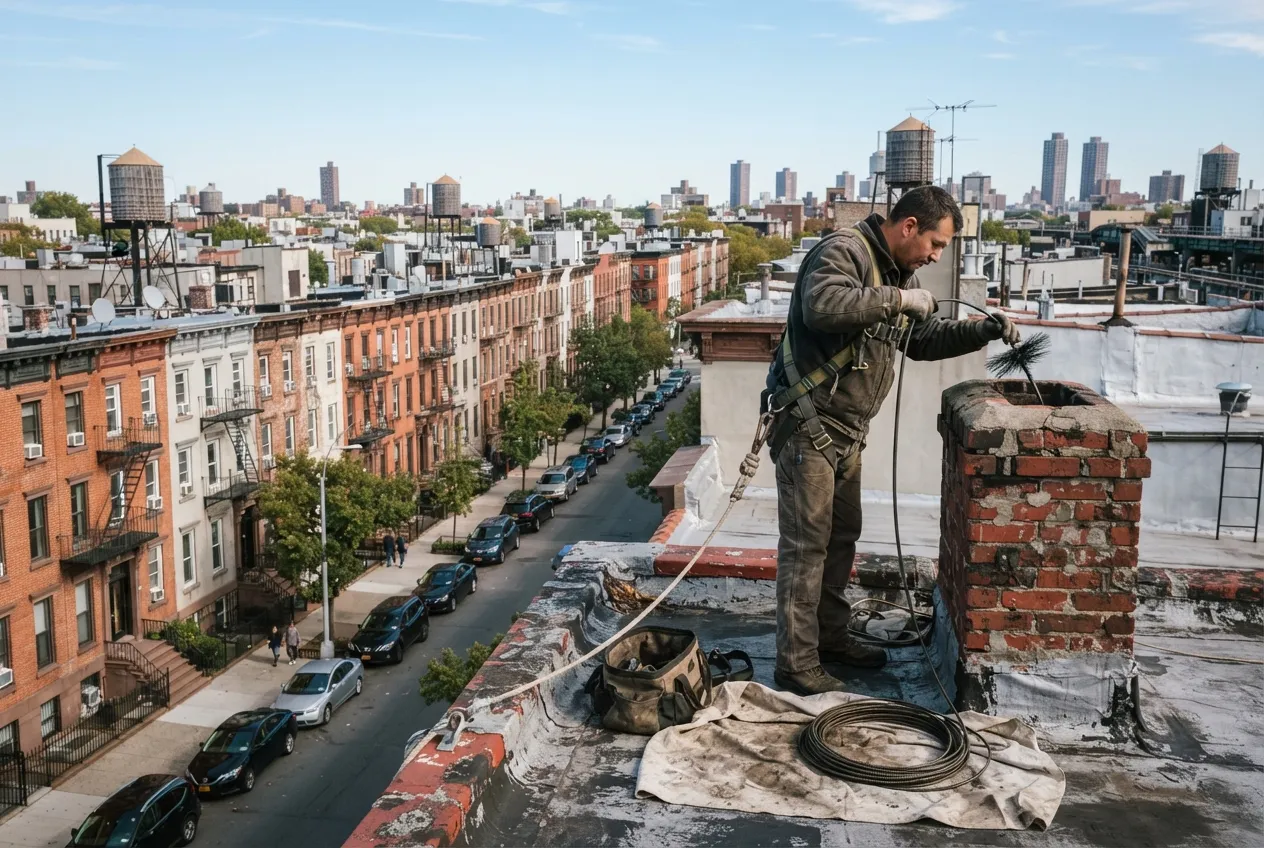
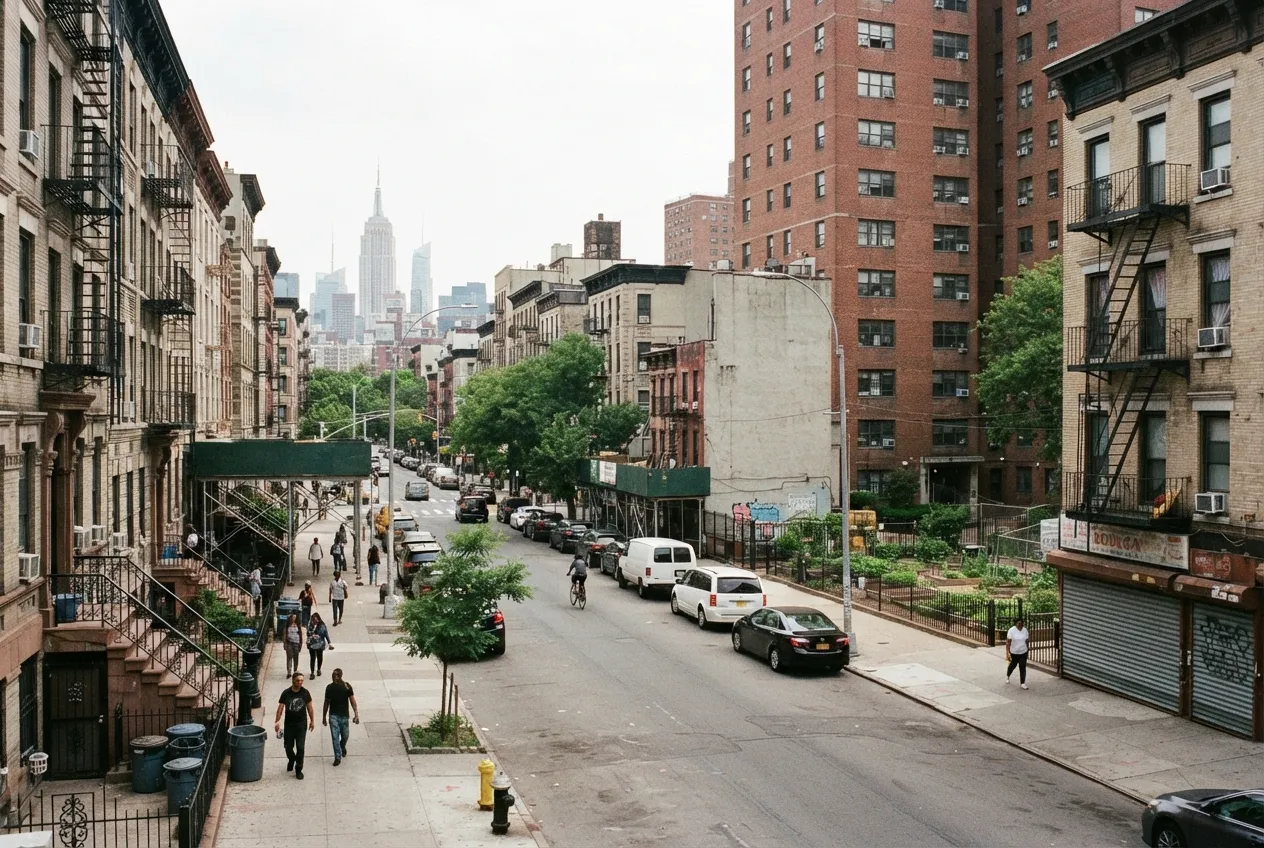
East Harlem's housing mixes brownstones and rowhouses with pre-war walk-ups and larger apartment buildings. Many of them still depend on masonry chimneys that serve a fireplace, a boiler, a water heater, or several of these at once. AshVanta Chimney Services inspects chimneys throughout ZIP codes 10029 and 10035 from our office in Yorkville, about a mile away. Our certified technicians look at the whole system, not just the part you can see from the hearth. That includes the firebox, damper, smoke chamber, flue liner, crown, cap, and the connection to any heating appliance. When we finish, you get a plain-language account of what we found and what, if anything, needs attention.
Why Yearly Inspection Matters in East Harlem
The NFPA 211 standard calls for chimneys, fireplaces and vents to be inspected once a year. That makes sense for any home, but it carries extra weight in a neighborhood where so many buildings are decades old and heated by boilers that vent through masonry flues.
New York City's heat season runs from October 1 through May 31. During those months, building owners must keep apartments at the city's minimum temperatures, so a boiler chimney may be working for most of the year. A cracked liner, a blocked flue or a loose connector found in midwinter can force a shutdown at the worst time. Scheduling your inspection in late summer or early fall gives you room to make repairs before the heat has to be on.
Fireplace owners benefit from the same timing. Birds, debris and winter freeze-thaw damage often show up only when someone looks inside the flue.
Choosing the Right Inspection Level
Chimney professionals use three inspection levels. We'll recommend the one that fits your building and what has changed since the last inspection, and we'll explain why before we start.
- Level 1: For a chimney that is being used the same way as before, with no new appliances and no known problems. We check the accessible parts of the chimney, the appliance connection and the basic soundness of the flue.
- Level 2: For changes to the system, such as a new boiler, a switch of fuel or a relined flue, and for homes being sold. This adds a closer look at the flue interior, typically with a camera, plus accessible attics, basements and the roof.
- Level 3: For when a hidden hazard is suspected and the only way to reach it is to open part of the chimney or the building, such as a wall or chase. We only recommend this when lesser inspections point to a real concern.
Oil-to-Gas Conversions and Flue Liners
Many older East Harlem apartment buildings and brownstones were built around oil heat. When a New York City building converts its boiler from oil to gas, the chimney has to be evaluated as part of the work. A new liner is often needed. Gas exhaust produces acidic condensate that can corrode a masonry flue that was perfectly adequate for oil.
If you are planning a conversion, or one was done without anyone looking closely at the chimney, a Level 2 inspection will show whether the existing flue is suitable. It will also show whether a liner sized for the new appliance is needed and whether there is any sign of deterioration already under way.
Time for your annual chimney check?
What We Look For in Older Masonry
Rowhouses and pre-war buildings tend to share a set of common problems. During an East Harlem inspection we pay particular attention to these:
- Cracked, missing or deteriorated clay flue tiles
- Spalling brick and failing mortar joints, inside and out
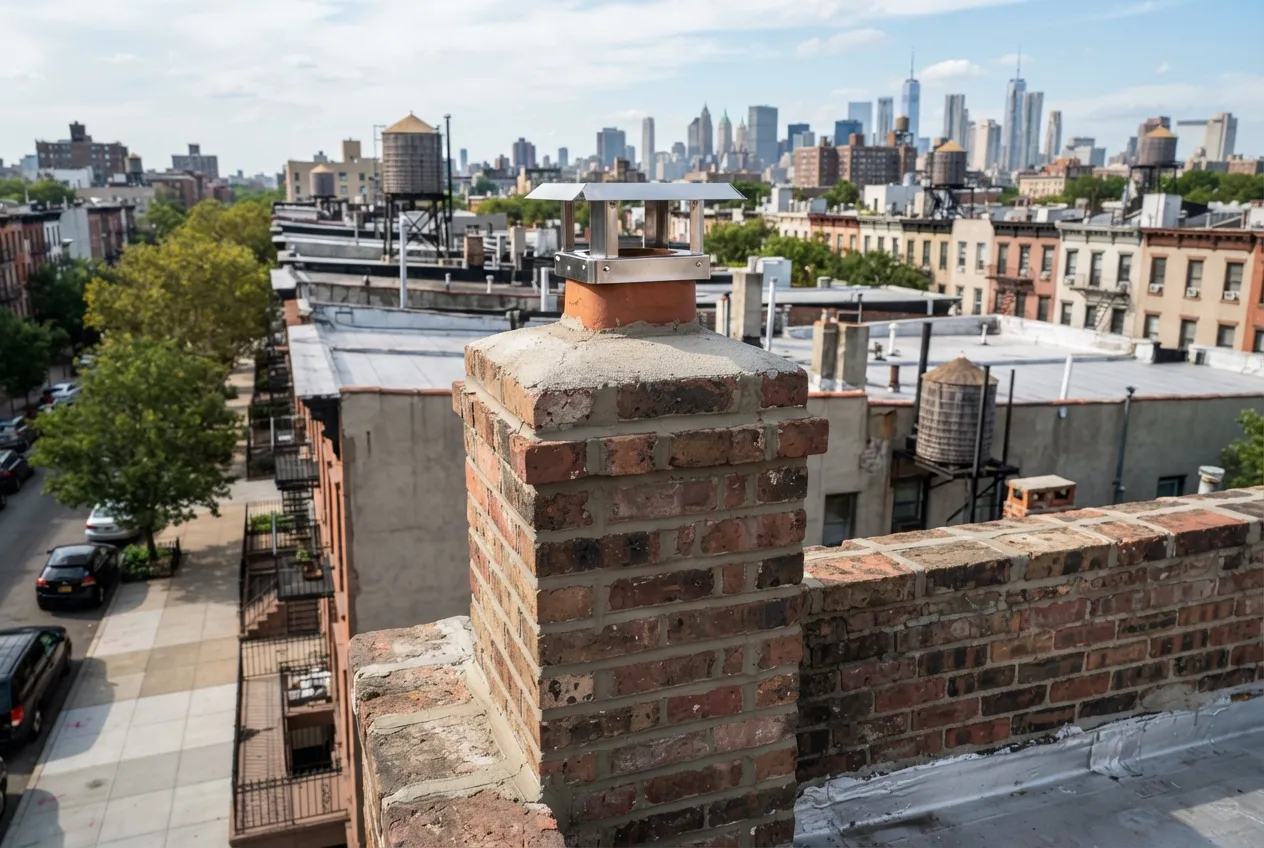
- Damaged crowns and missing or rusted caps that let in water and animals
- Creosote buildup in fireplace flues
- Shared or adjoining flues in party walls between rowhouses
- Improperly sized or poorly sealed connectors from boilers and water heaters
- Fireplaces that were closed off years ago and are being brought back into use
After the Inspection
We walk you through what we saw and show you photos of any problem areas we can reach. We also separate urgent safety issues from items that can be planned for later. If cleaning or repair is needed, we'll explain the options, and the decision is yours.
Beyond East Harlem, we also inspect chimneys in Morningside Heights, Manhattan Valley, Yorkville, Old Astoria and Hallets Point.
More services in East Harlem
- Chimney Sweep in East HarlemLocal service & repairs
- Chimney Repair in East HarlemLocal service & repairs
- Air Duct Cleaning in East HarlemLocal service & repairs
- Chimney Liner Installation in East HarlemLocal service & repairs