The short answer
AshVanta repairs chimney masonry, crowns, flashing, dampers, and flue liners for Yorkville rowhouses, brownstones, and pre-war buildings. Every repair starts with an inspection to find the real cause, and the best time to schedule work is outside New York City's October-through-May heat season.
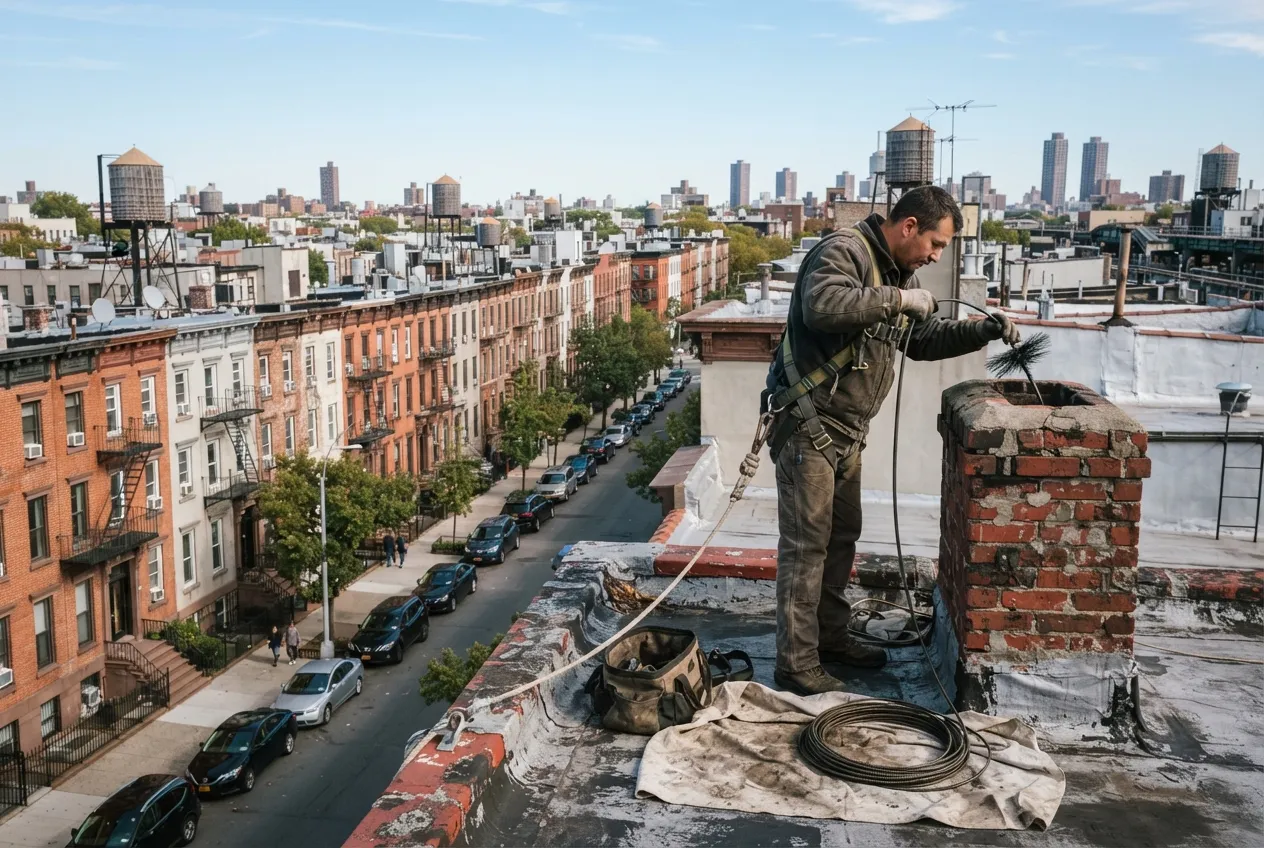
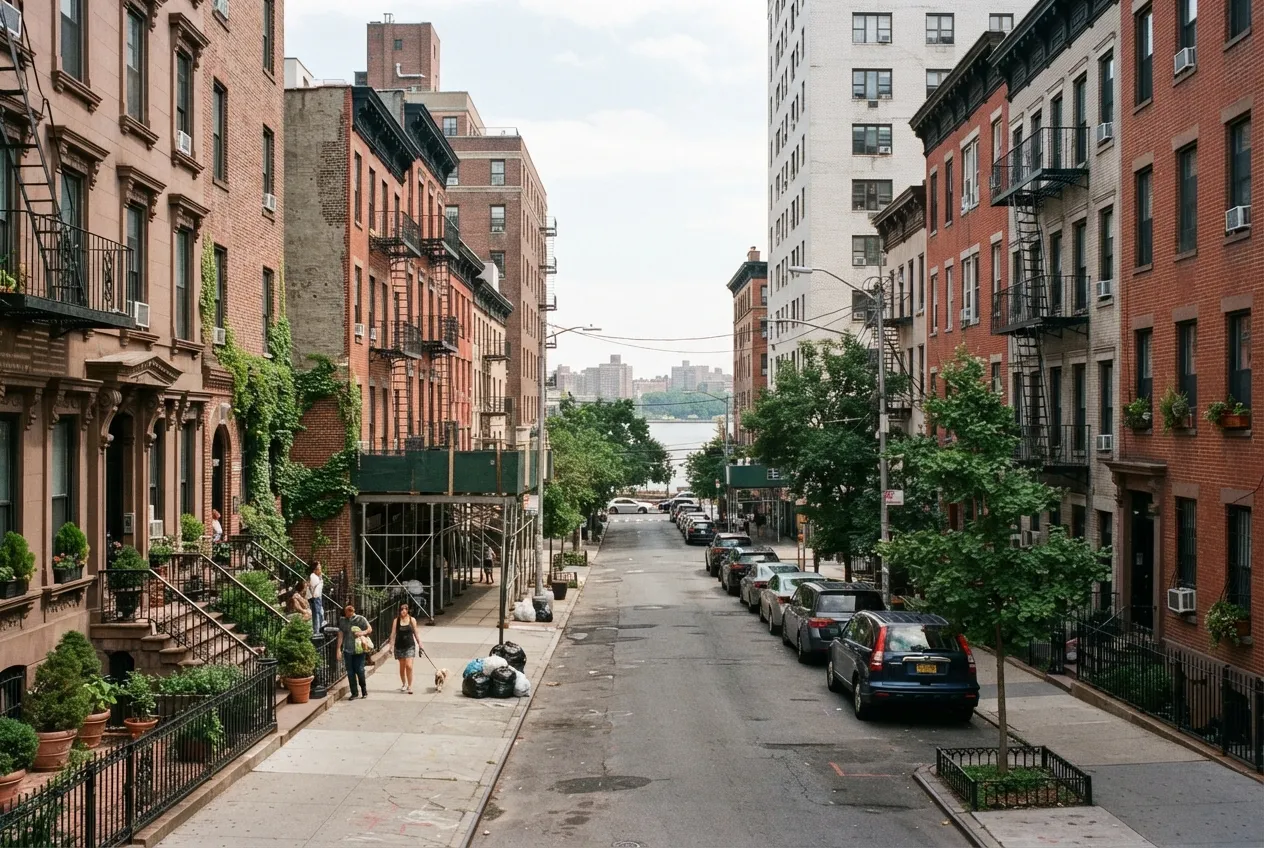
Yorkville chimneys have it hard. Many run up through older rowhouses, brownstones, and pre-war apartment buildings, where decades of freeze-thaw cycles, rooftop wind, and steady use during the heating months wear down brick, mortar, and flue liners. AshVanta Chimney Services is based in Yorkville, so our certified technicians handle chimney repair across the neighborhood's 10028 and 10128 ZIP codes. We find what is actually wrong, explain it in plain terms, and fix the problem at its source rather than covering the symptoms.
Why Yorkville Chimneys Need Repair
Much of Yorkville's housing was built when coal, then oil, heated most homes. The chimneys in these buildings were designed for fuels and appliances that many owners have since replaced. A brownstone fireplace may now sit next to a modern gas boiler venting through the same old masonry. A pre-war building's flue may have carried oil exhaust for decades before a conversion. Each change puts new stress on materials that were already aging.
Weather adds to the wear. Water gets into porous brick and cracked mortar, freezes, expands, and pushes the masonry apart a little more each winter. On rowhouse roofs, chimneys stand exposed to wind and rain on every side. Small problems, like a hairline crack in the crown or a loose piece of flashing, tend to grow until water shows up as a stain on a ceiling or wall inside the home.
Common Chimney Repairs We Handle
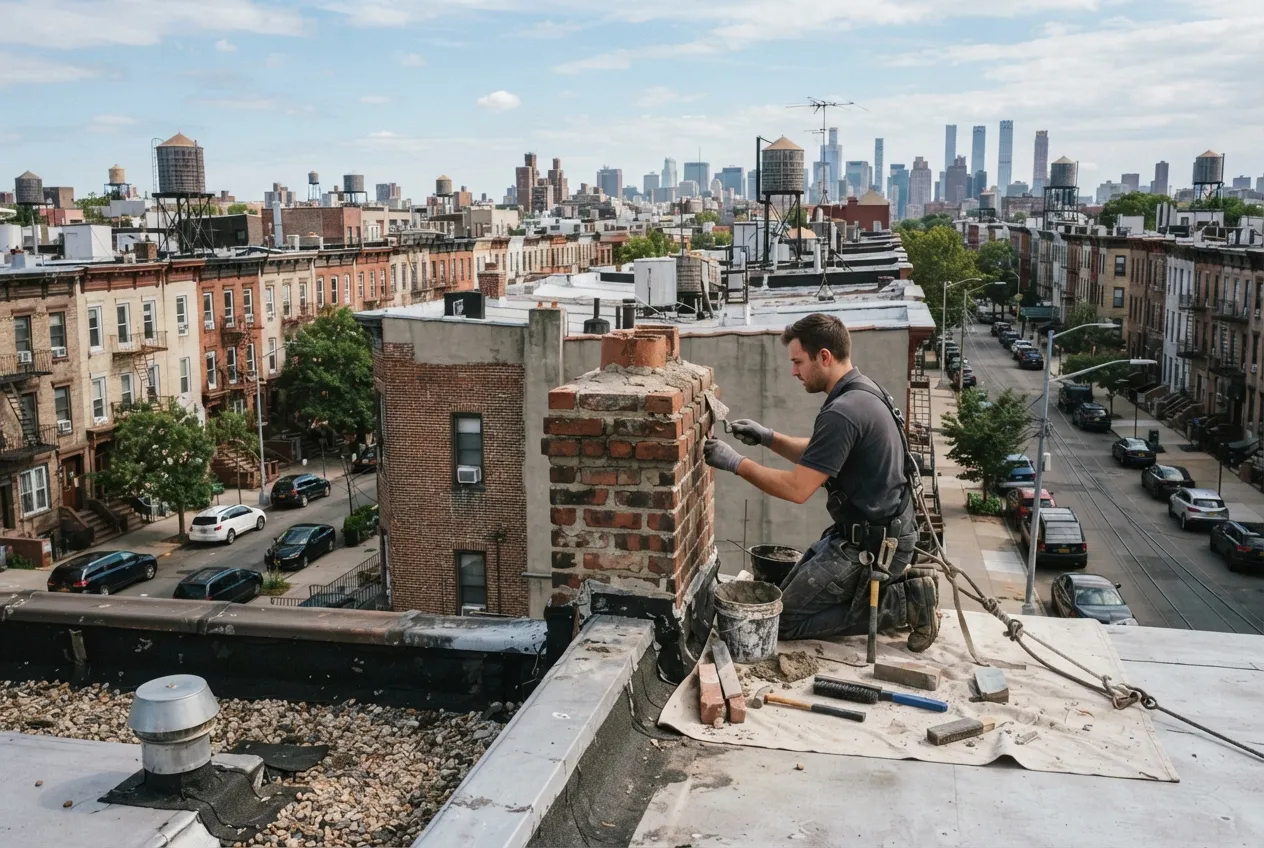
Most repair calls in the neighborhood fall into a few categories. We look at the whole system, from the roof down to the firebox or appliance connection, because a symptom in one place often starts somewhere else.
- Repointing: removing failed mortar joints and replacing them so water stops getting into the brick
- Brick repair and replacement where faces have spalled, cracked, or crumbled
- Chimney crown repair or rebuilding to shed water away from the flue and masonry
- Flashing repair where the chimney meets the roof, a frequent source of leaks
- Chimney caps to keep out rain, debris, and animals
- Damper repair or replacement for fireplaces that leak cold air or won't close
- Smoke chamber and firebox repairs, including cracked or missing firebrick
- Flue liner repair and relining for damaged clay tile or unlined masonry flues
Flue Liners and Oil-to-Gas Conversions
Liner work is one of the most important repairs we do in Yorkville. When a New York City building converts its boiler from oil to gas, the chimney has to be evaluated as part of that project. A new liner is often needed because gas exhaust produces acidic condensate that can corrode a masonry flue from the inside. That damage is usually invisible from the roof or the basement until it is well along.
If your building has converted, or is planning to, we can inspect the flue, explain what we find, and install a properly sized liner when one is needed. For co-ops and condos, we can work alongside building management and the boiler contractor so the chimney portion of the job is handled in the right order.
Time for your annual chimney check?
Planning Repairs Around Heat Season
New York City's heat season runs from October 1 through May 31. During those months, building owners must keep apartments heated to the city's minimum temperatures, so taking a boiler chimney out of service is difficult. For larger repairs, especially relining a boiler flue or rebuilding a section of masonry, late spring and summer are the practical window.
Fireplace and smaller masonry repairs are more flexible, but cold weather can still limit mortar work. If you notice a problem in winter, call for an inspection anyway. We can tell you whether it is safe to keep using the chimney until a full repair can be scheduled.
How a Repair Visit Works
The NFPA 211 standard calls for chimneys, fireplaces, and vents to be inspected once a year. Repair work usually starts from that inspection. A Level 1 inspection fits when nothing about the system has changed. A Level 2 inspection is called for when the system changes, such as a new appliance or a switch of fuel, or when the home is being sold. A Level 3 inspection is used when a suspected hidden hazard can only be reached by opening part of the chimney or building.
After the inspection, we walk you through what we found, show you photos where helpful, and describe the repair options in plain language. Once you approve the work, our technicians complete it with care for your home and clean up before they leave.
More services in Yorkville
- Chimney Sweep in YorkvilleLocal service & repairs
- Chimney Inspection in YorkvilleLocal service & repairs
- Air Duct Cleaning in YorkvilleLocal service & repairs
- Chimney Liner Installation in YorkvilleLocal service & repairs