The short answer
The NFPA 211 standard calls for a chimney inspection once a year, and the level of inspection depends on whether anything about your system has changed. In Yorkville, older masonry flues, boiler conversions from oil to gas, and home sales are the most common reasons to schedule one.
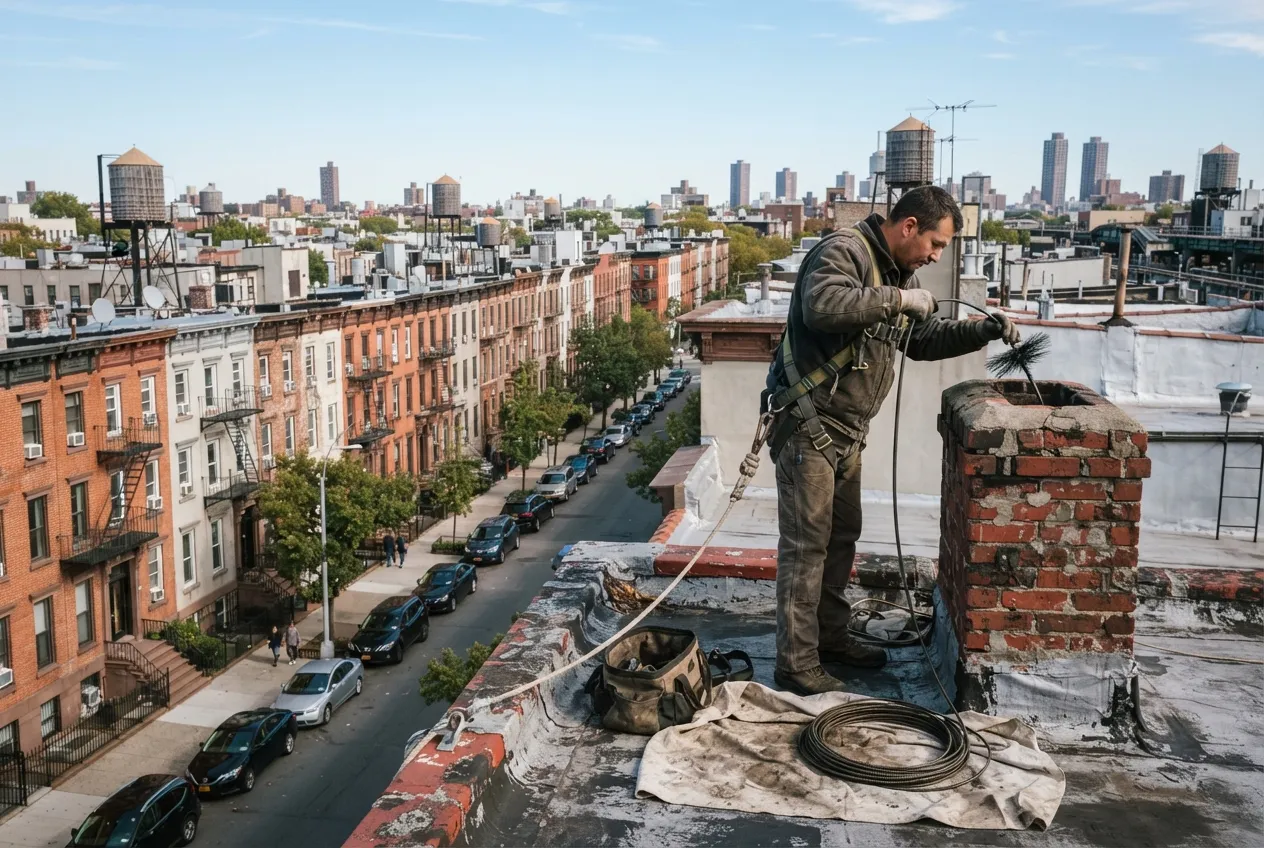
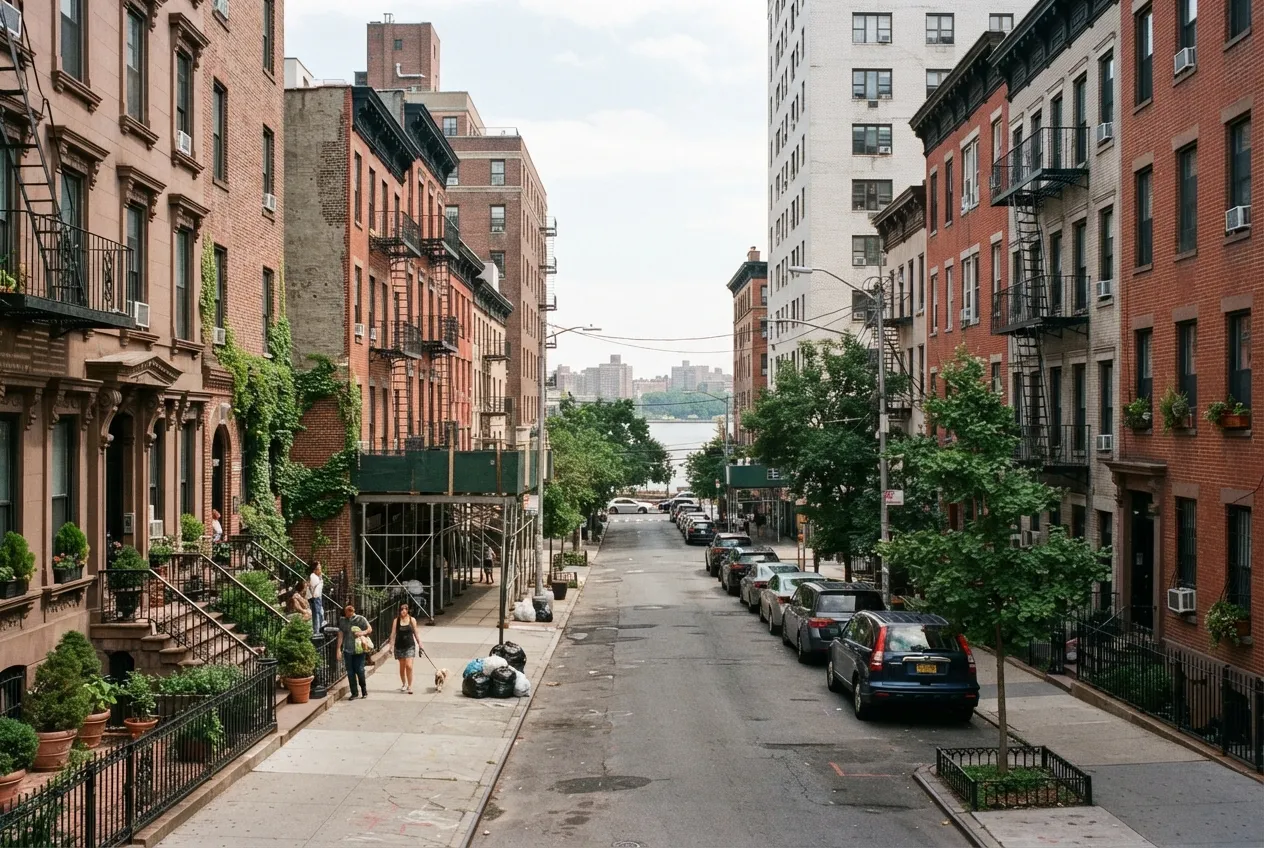
Yorkville has a lot of chimneys that rarely get a close look. Brownstones and rowhouses often have original masonry flues, many of them unused for decades. Pre-war walk-ups and larger apartment buildings send boiler exhaust up tall shared stacks. Some newer buildings have factory-built fireplaces or gas appliances vented through metal liners. Each setup can fail in its own way, and most problems start where you can't see them. AshVanta Chimney Services is based in Yorkville, so our certified technicians inspect chimneys across ZIP codes 10028 and 10128 regularly. We tell you what we found, show you photos, and explain your options in plain terms.
Why a Yearly Inspection Matters in Yorkville
The NFPA 211 standard calls for chimneys, fireplaces and vents to be inspected once a year. That applies to a wood-burning fireplace you use every weekend and to a boiler flue that runs all winter without anyone thinking about it.
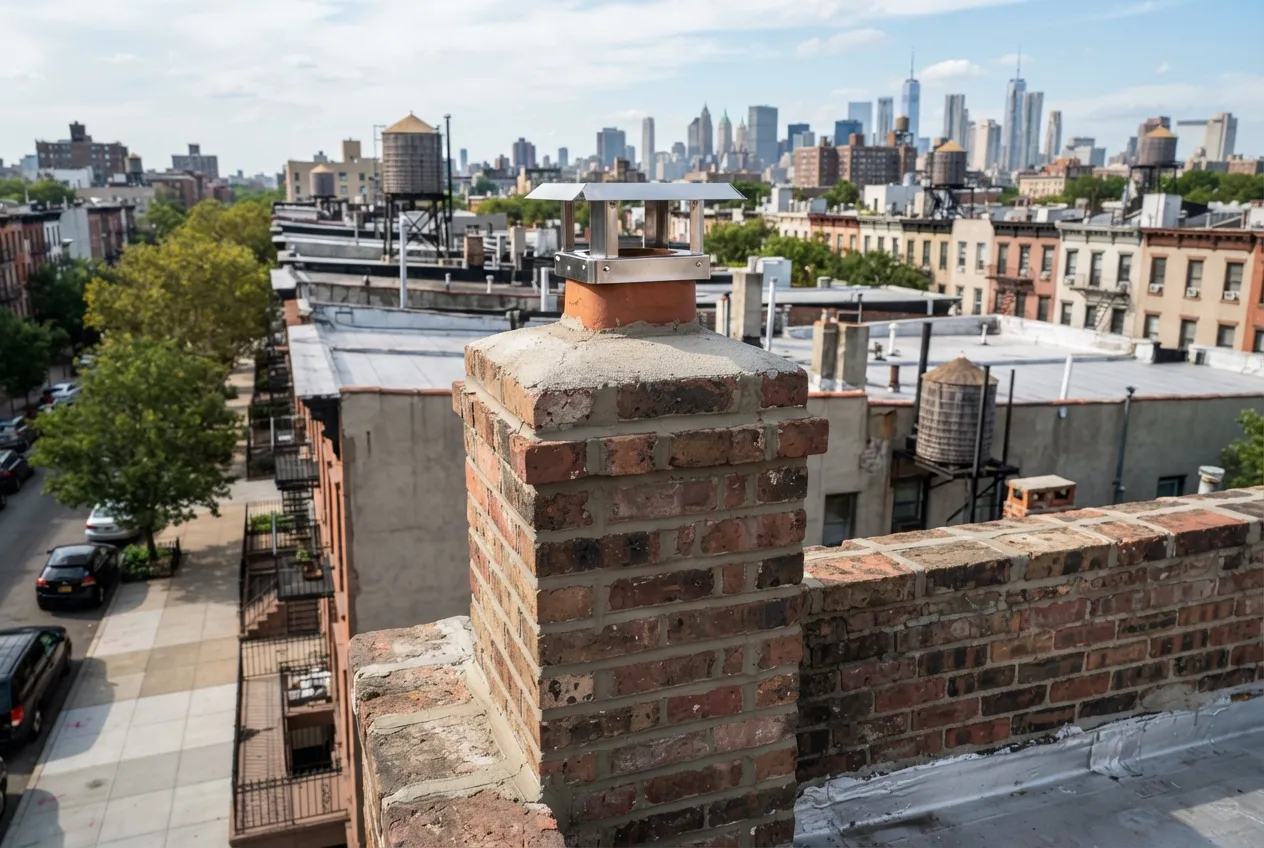
Older masonry in this part of Manhattan has been through many freeze-thaw cycles. Mortar joints erode, clay flue tiles crack, and crowns at the top of the chimney break down and let water in. Water speeds up all of that damage. Small problems like these are usually cheaper and simpler to fix when caught early, before they turn into a partial rebuild.
Choosing the Right Inspection Level
Chimney professionals use three inspection levels. The right one depends on your situation, not on how much work we'd like to do. We'll recommend a level after asking a few questions about your home and how you use the chimney.
- Level 1: For a chimney in regular use when nothing has changed. We check the accessible parts of the chimney, firebox, damper and connections.
- Level 2: Needed when the system changes, such as a new appliance or a switch of fuel, or when a home is sold. It adds a camera scan of the flue interior and a look at accessible attics, crawl spaces and the roof.
- Level 3: Only when a hidden hazard has to be reached by opening part of the chimney or the building, for example to trace damage found during a Level 2.
Oil-to-Gas Conversions and Masonry Flues
Many Yorkville buildings have moved their boilers from oil to gas. When a New York City building makes that conversion, the chimney has to be evaluated as part of the work. A new liner is often needed because gas exhaust produces acidic condensate that can corrode a masonry flue from the inside.
If your building has converted, or you're planning a conversion, an inspection tells you what condition the flue is in and whether a liner is likely to be part of the job. That helps owners and boards plan the work instead of finding out partway through.
Time for your annual chimney check?
Timing Your Inspection Around Heat Season
New York City's heat season runs from October 1 through May 31. During those months, building owners must keep apartments heated to the city's minimum temperatures. A boiler flue problem found in January is much harder to deal with than one found in August.
We suggest scheduling boiler chimney inspections in late spring or summer, after the heating system has been shut down. That leaves time for any repairs before October. Fireplace owners benefit from the same timing, since fall is when everyone else calls.
What Happens During the Visit
Most single-family and brownstone inspections are straightforward. Apartment buildings may need roof access arranged with the super or management ahead of time, and we're glad to coordinate.
- We lay down drop cloths and protect floors near the fireplace or appliance.
- We examine the firebox, smoke chamber, damper and flue, using a camera when the inspection level calls for it.
- We check the exterior masonry, crown, cap and flashing where they can be safely reached.
- We note creosote buildup, blockages such as nests or debris, cracks and signs of water entry.
- You get a written report with photos and a clear explanation of any recommended repairs.
More services in Yorkville
- Chimney Sweep in YorkvilleLocal service & repairs
- Chimney Repair in YorkvilleLocal service & repairs
- Air Duct Cleaning in YorkvilleLocal service & repairs
- Chimney Liner Installation in YorkvilleLocal service & repairs