The short answer
A chimney liner is usually needed in Old Astoria when a building converts from oil to gas, when a new heating appliance is connected, or when an inspection finds a cracked or deteriorated flue. Our certified technicians inspect the chimney first, then size and install a liner matched to the appliance it serves.
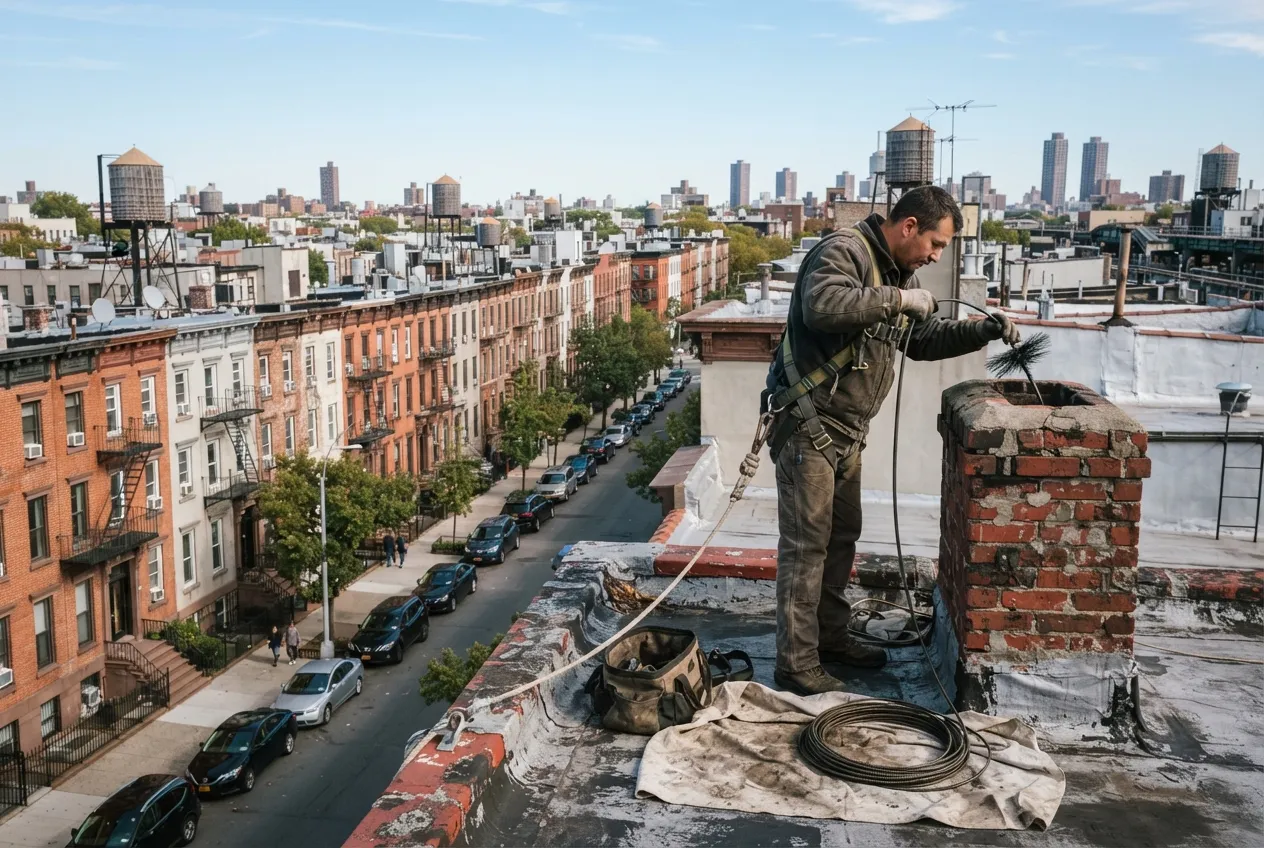
Many Old Astoria homes still rely on chimneys built decades ago, when flues were lined with clay tile and sized for coal or oil. When a boiler is switched from oil to gas, a new furnace or water heater goes in, or an inspection turns up cracked tiles, the flue often needs a new liner to vent safely. AshVanta Chimney Services installs chimney liners in rowhouses, attached two-family homes, detached houses and pre-war apartment buildings across Old Astoria. We are about 2 miles from our Yorkville office in Manhattan. This page explains when a liner is needed, how we choose and size one, and what the work looks like in a typical Old Astoria building.
Why Old Astoria Chimneys Often Need a New Liner
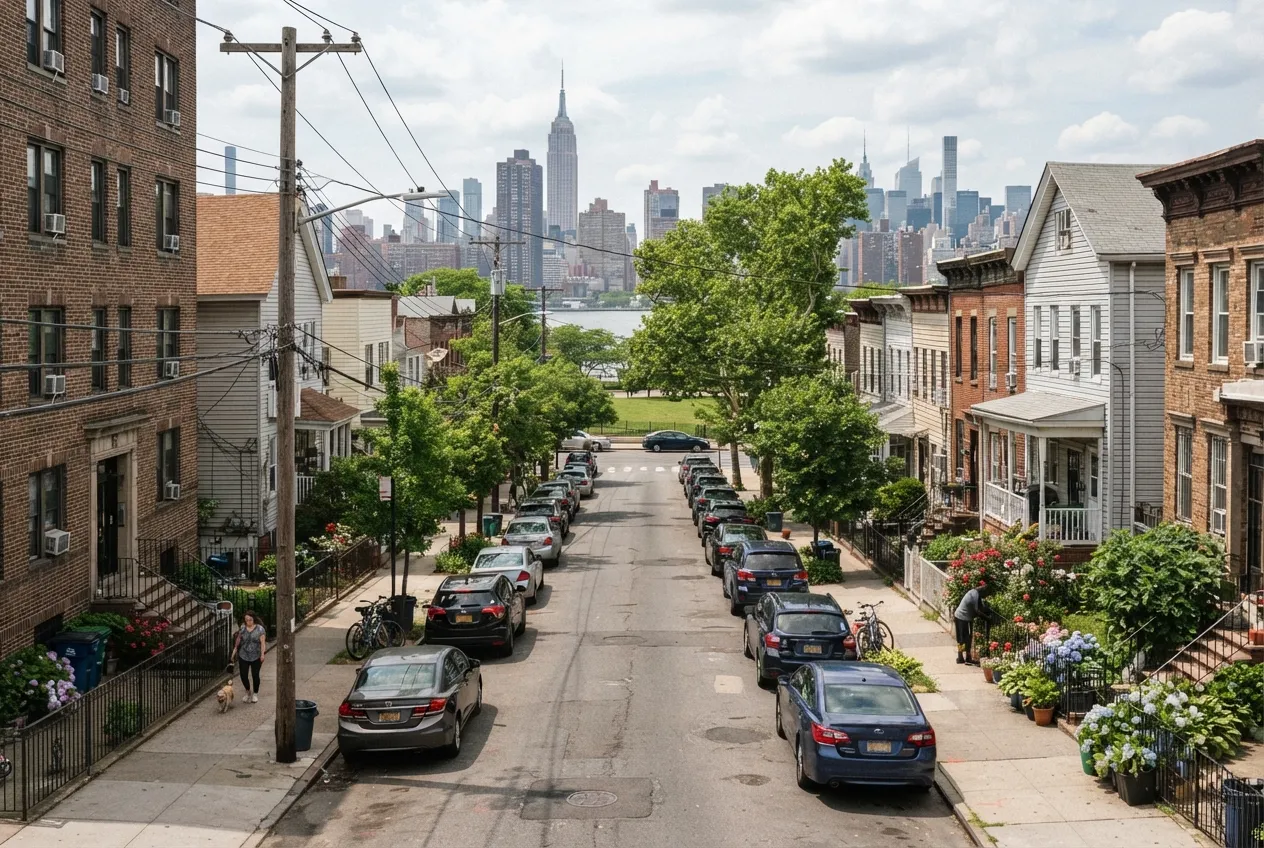
The neighborhood's housing is mostly older masonry: brick rowhouses, attached homes with shared walls, some detached houses, and pre-war apartment buildings with tall chimneys that serve a central boiler. Many of these flues were built for oil or coal, and decades of heat, moisture and freeze-thaw cycles take a toll on the clay tile and mortar joints inside.
The most common trigger we see is a fuel switch. When a New York City building converts its boiler from oil to gas, the chimney has to be evaluated as part of the work. A new liner is often required because gas exhaust produces acidic condensate that can corrode an unlined or clay-lined masonry flue from the inside.
- Oil-to-gas boiler conversions
- Replacing a boiler, furnace or water heater with a different model
- Cracked, shifted or missing clay flue tiles
- Mortar joint erosion or masonry debris collecting at the base of the chimney
- A flue that is too large or too small for the appliance connected to it
Inspection Comes First
We do not recommend a liner without looking inside the chimney. The NFPA 211 standard calls for chimneys, fireplaces and vents to be inspected once a year, and it describes three levels of inspection. A Level 2 inspection applies when the system changes, such as a new appliance or a switch of fuel, and when a home is sold. That makes it the usual starting point for a liner project in Old Astoria.
A Level 2 inspection includes a camera scan of the full flue. That lets us see cracked tiles, gaps in joints, offsets and obstructions that cannot be seen from the roof or the cleanout. If a hidden problem can only be reached by opening part of the chimney or the building, a Level 3 inspection may be needed, and we explain why before any opening is made.
Choosing and Sizing the Right Liner
The liner has to match the appliance it serves. Flue size affects draft, and draft affects whether exhaust leaves the building or spills back into it. A flue that is too large for a modern gas boiler can let exhaust cool too much, which produces more condensate. A flue that is too small can restrict venting. We size each liner from the appliance manufacturer's venting requirements and the chimney's height and layout.
For most gas and oil appliances in Old Astoria homes, we install stainless steel liners that run from the appliance connection to the top of the chimney. Wood-burning fireplaces have different needs, and we will talk through the options if your fireplace flue is the one being relined. In buildings where one chimney serves several appliances, we confirm how each appliance vents before recommending a plan.
- Stainless steel liners for gas and oil boilers, furnaces and water heaters
- Liners sized to the appliance, not to the existing flue
- Insulation where needed to keep flue gases warm and limit condensate
- A new chimney cap fitted to the relined flue
Time for your annual chimney check?
What Installation Looks Like
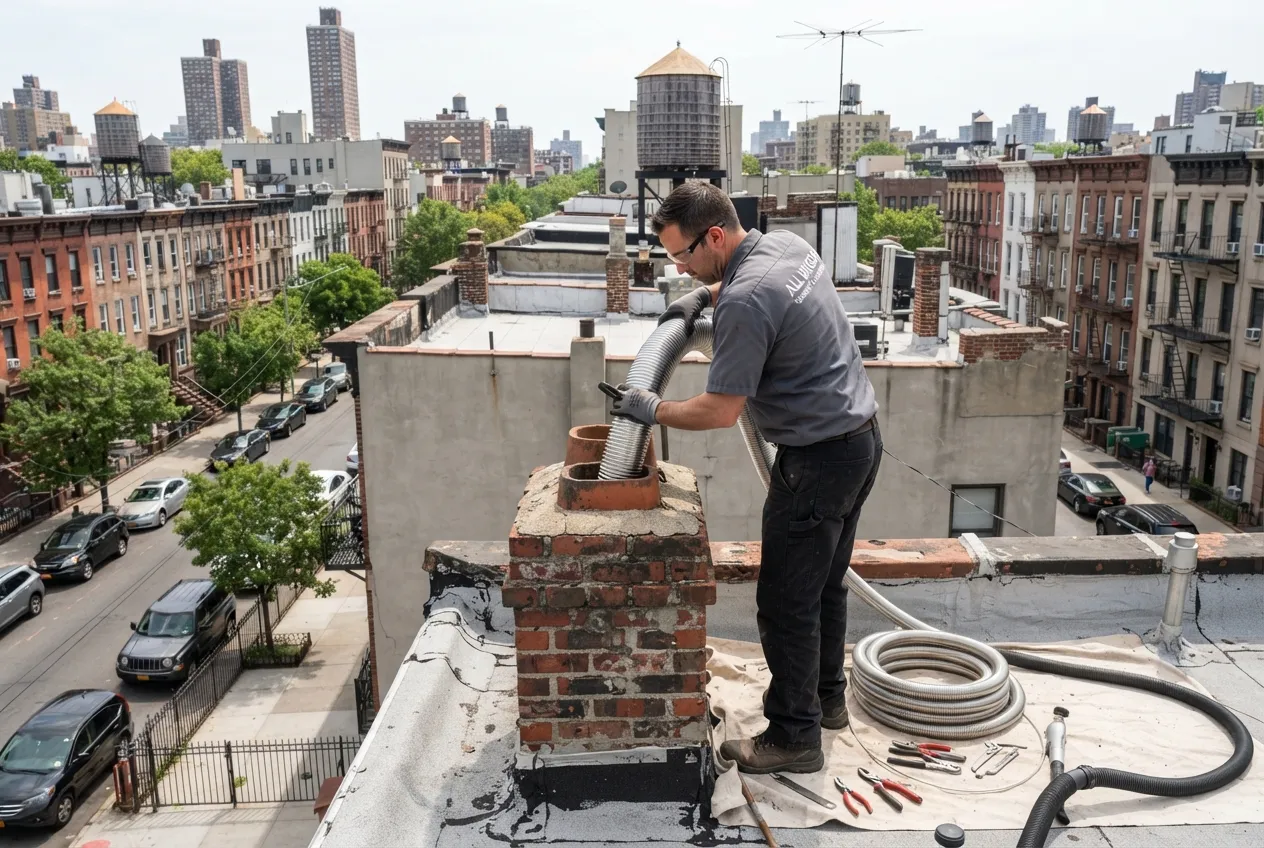
Most liner work happens from the roof and at the appliance connection, so interior disruption is usually limited. We protect the work area near the boiler or fireplace, clear any loose debris from the old flue, and lower the liner down the chimney. At the bottom we connect it to the appliance, seal the top, and install a cap to keep out rain and animals. After installation we check that the appliance drafts properly.
In pre-war apartment buildings, roof access and coordination with the building's heating contractor matter. Gas conversions often involve both a plumber and a chimney technician, and we work around that schedule so the chimney part of the job does not hold up the boiler.
Timing Around Heat Season
New York City's heat season runs from October 1 through May 31. During that time building owners must keep apartments heated to the city's minimum temperatures. For multi-family buildings, a boiler that cannot run because its chimney is unsafe becomes an urgent problem. We suggest scheduling inspections and liner work in late spring or summer whenever possible, especially if a conversion is planned. Homeowners in Old Astoria and nearby Hallets Point, Yorkville, the Upper East Side, Lenox Hill and Roosevelt Island can contact us to plan the work before cold weather arrives.
More services in Old Astoria
- Chimney Sweep in Old AstoriaLocal service & repairs
- Chimney Inspection in Old AstoriaLocal service & repairs
- Chimney Repair in Old AstoriaLocal service & repairs
- Air Duct Cleaning in Old AstoriaLocal service & repairs