The short answer
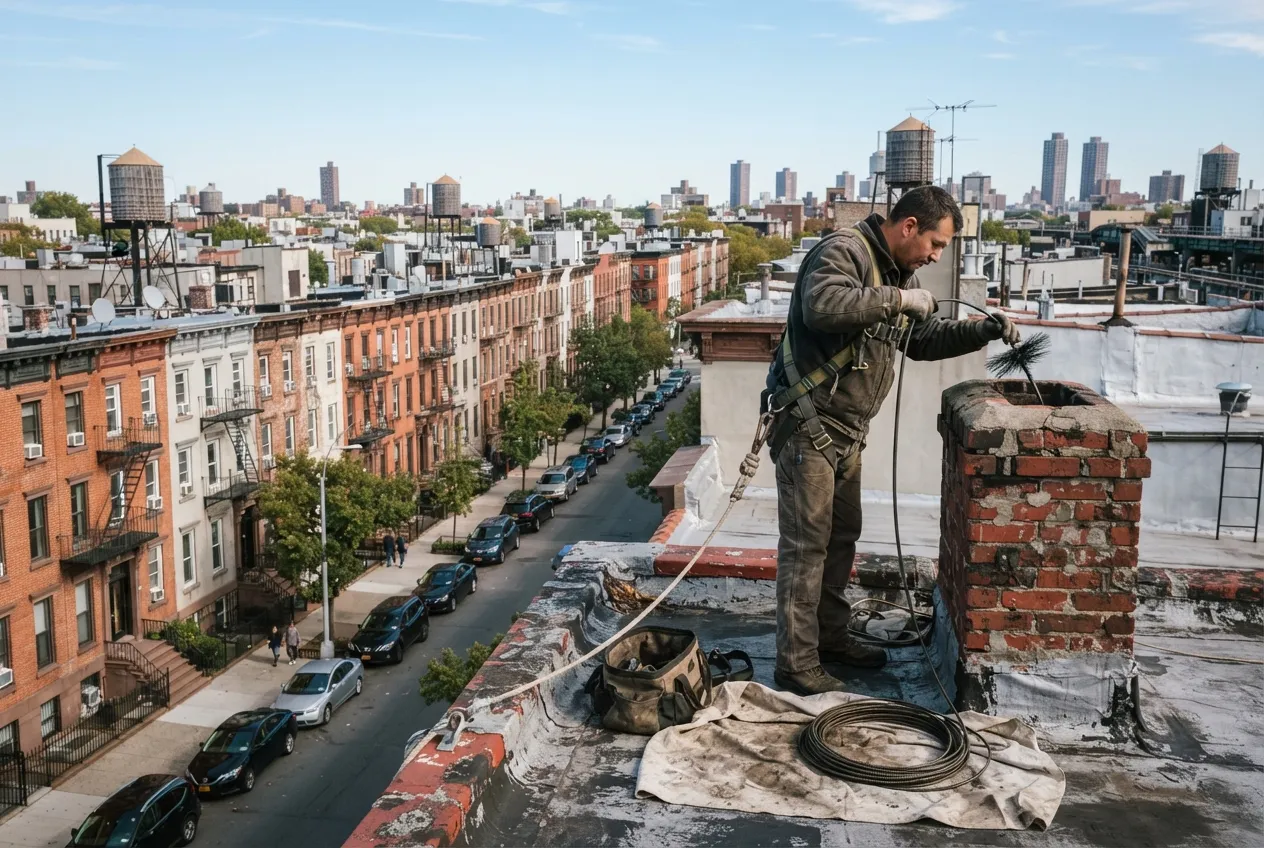
AshVanta repairs chimney crowns, brick and mortar, flue liners, caps, dampers and flashing for homes and buildings in Manhattan Valley. We inspect first to find the actual cause, explain what we found, and plan the work around New York City's heat season when possible.
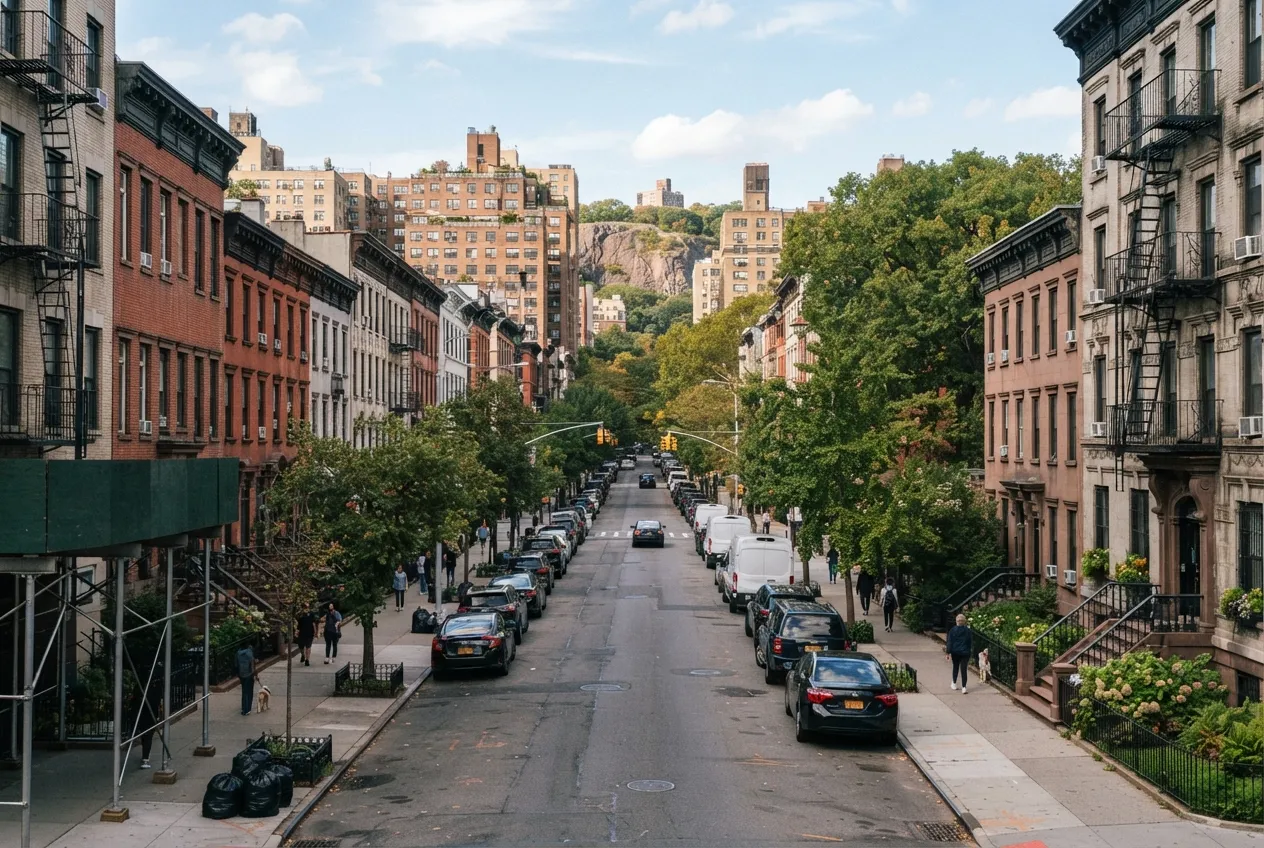
Chimneys in Manhattan Valley carry a lot of wear. Many rise from brownstones, rowhouses and pre-war apartment buildings that have been through decades of freeze-thaw winters, changes in heating fuel and long heating seasons. When brick starts to flake, a crown cracks, or a water stain appears on the ceiling beside the fireplace, the repair has to fix the cause, not just cover the symptom. AshVanta Chimney Services is based in Yorkville, about a mile southeast of the neighborhood. Our certified technicians repair chimneys for homeowners and building owners throughout ZIP code 10025.
Chimney problems we repair in Manhattan Valley
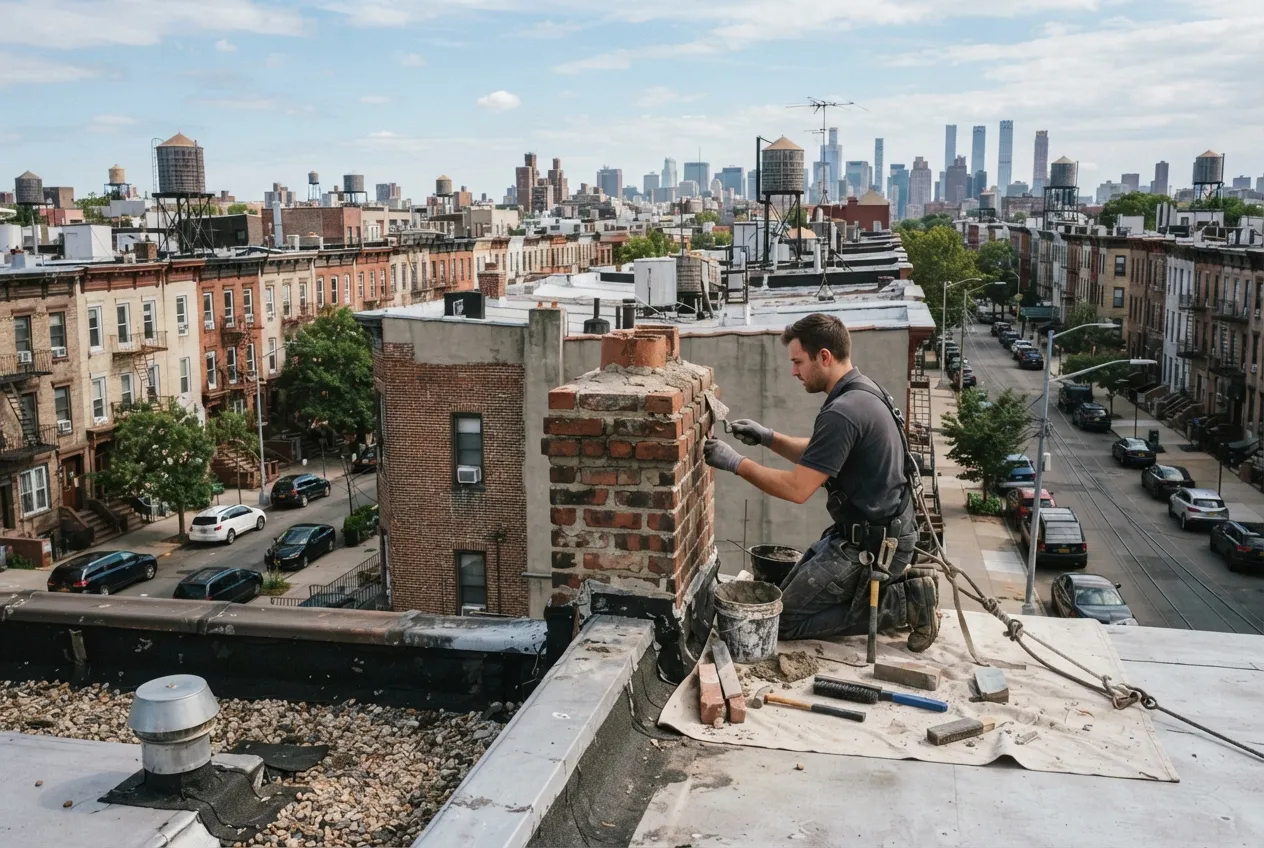
Older masonry chimneys usually fail slowly. Water gets into small cracks, freezes, expands, and loosens brick and mortar a little more each winter. On tall rooftop stacks over rowhouses and walk-up buildings, that damage often goes unnoticed until it shows up indoors or pieces of masonry come loose. These are the repairs we handle most often:
- Cracked or crumbling chimney crowns that let water into the masonry
- Spalling brick and eroded mortar joints that need repointing or rebuilding
- Cracked, gapped or deteriorated clay flue liners
- Flue relining for gas, oil or wood-burning appliances
- Missing or rusted chimney caps that let in rain, debris and animals
- Leaking flashing where the chimney meets the roof
- Damaged or stuck fireplace dampers
- Leaning or loose sections of a chimney above the roofline
Finding the cause before we fix anything
A leak near a chimney can come from the crown, the cap, the flashing, the brick itself, or a nearby part of the roof. Patching the wrong spot wastes your money and leaves the damage in place. Every repair starts with an inspection so we know what is actually failing.
The NFPA 211 standard calls for chimneys, fireplaces and vents to be inspected once a year, and it describes three levels of inspection. A Level 1 inspection fits when nothing about the system has changed. A Level 2 inspection applies when the system changes, such as a new appliance or a switch of fuel, or when the home is sold. A Level 3 inspection is used when a suspected hidden hazard can only be reached by opening part of the chimney or the building. We tell you which level your situation calls for and why, then walk you through what we found before any repair begins.
Oil-to-gas conversions and flue liners
Many pre-war buildings in this part of Manhattan were heated with oil for decades, and a lot of them are switching to gas. When a New York City building converts its boiler from oil to gas, the chimney has to be evaluated as part of the work. A new liner is often needed, because gas exhaust produces acidic condensate that can corrode an unlined or poorly lined masonry flue over time.
If your building is planning a conversion, we can evaluate the chimney early so the liner work fits into the overall project schedule. We size and install liners to match the new appliance and check the chimney's masonry so the relined flue sits in sound brick.
Time for your annual chimney check?
Planning repairs around the heat season
New York City's heat season runs from October 1 through May 31. During those months, building owners must keep apartments heated to the city's minimum temperatures, so taking a boiler chimney out of service is a serious matter. For multi-unit buildings, we recommend scheduling inspections and larger repairs, such as relining or rebuilding a stack, in late spring or summer.
Urgent problems do not always wait for good weather. If a liner fails or masonry becomes unsafe in the middle of winter, we work with you to make the system safe and to keep downtime as short as possible, then schedule any remaining work for a better time of year.
What to expect from a repair visit
We arrive, protect the area around the fireplace or boiler room, and inspect the chimney from inside and out. You get a plain explanation of what is wrong, what we recommend, and which items are urgent and which can wait. Once you approve the work, we complete the repairs, clean up, and show you what was done. Photos help when you cannot easily get onto your own roof.
More services in Manhattan Valley
- Chimney Sweep in Manhattan ValleyLocal service & repairs
- Chimney Inspection in Manhattan ValleyLocal service & repairs
- Air Duct Cleaning in Manhattan ValleyLocal service & repairs
- Chimney Liner Installation in Manhattan ValleyLocal service & repairs