The short answer
Manhattan Valley chimneys often need a new liner when the original tile is cracked, when the flue was never lined, or when a boiler converts from oil to gas. AshVanta inspects the flue first, then installs a liner sized and rated for the appliance it will vent.
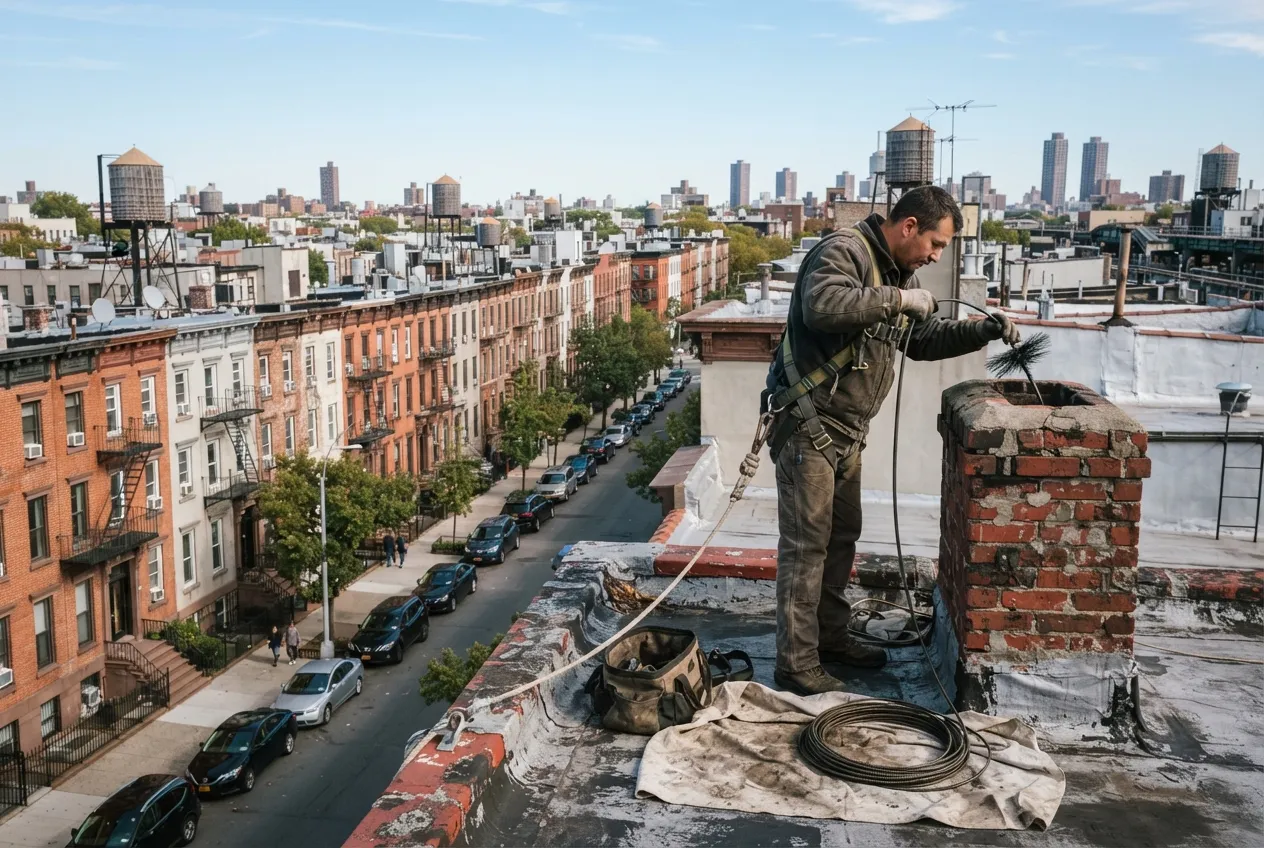
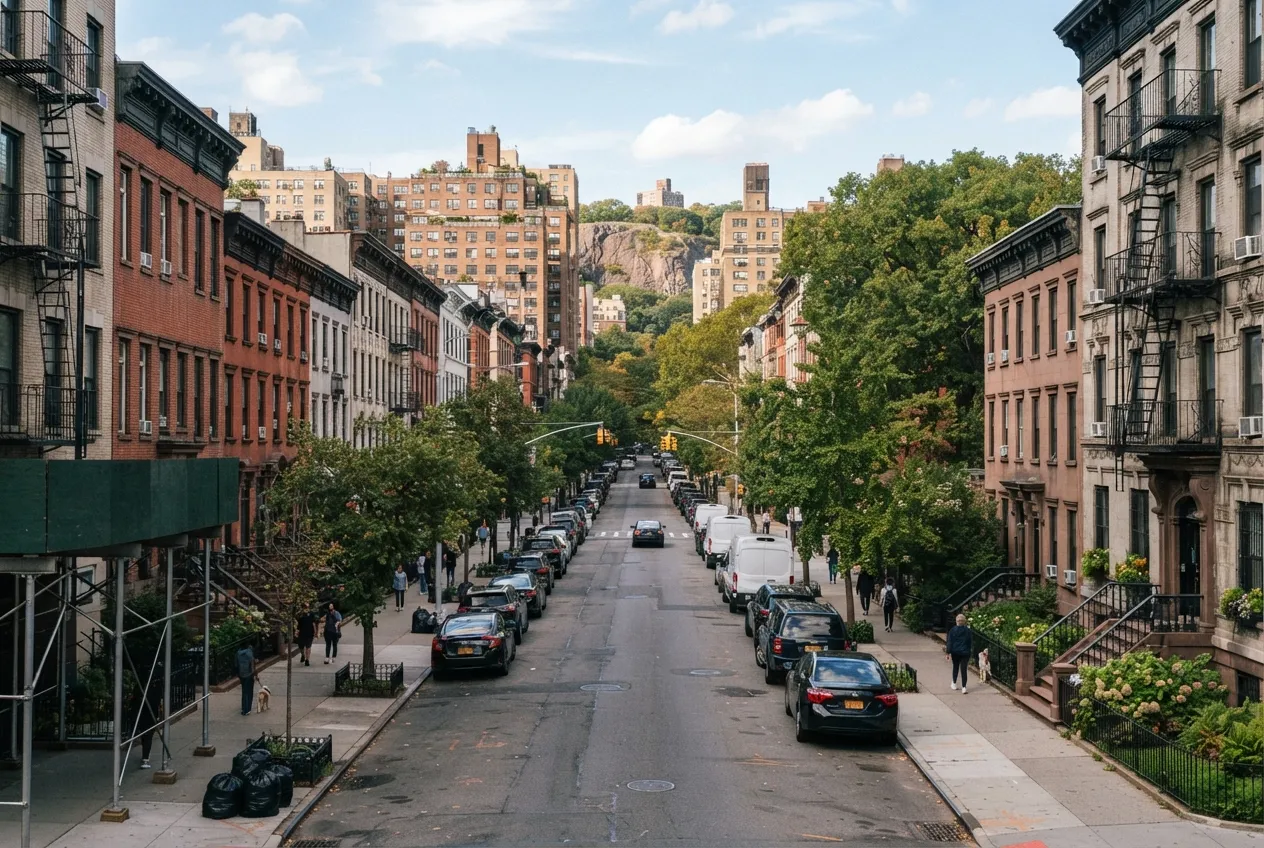
A chimney liner is the protective layer inside the flue that carries smoke and exhaust safely out of the building. In Manhattan Valley's brownstones, rowhouses and pre-war apartment buildings, many chimneys were built long before today's boilers, water heaters and fireplace inserts existed. Original clay tile liners crack with age, some old flues were never lined at all, and a fuel switch can make an existing liner unsuitable. AshVanta Chimney Services installs new liners for homes and buildings in ZIP code 10025, about a mile northwest of our office in Yorkville. Our certified technicians start by inspecting the flue, then recommend a liner that fits the appliance it will serve and the condition of the masonry around it.
Why Older Manhattan Valley Chimneys Need Relining
Much of the housing here dates to an era of coal and wood heat. Those chimneys were built from brick and clay tile, and decades of heating cycles, settling and moisture take a toll. Tile sections crack or separate at the joints, mortar washes out, and the flue can end up with gaps that let heat, smoke or carbon monoxide reach the brick and the spaces around it.
A damaged liner is not always visible from the fireplace or the roof. That is why we inspect the full length of the flue with a camera before recommending any work. If the liner is sound, we will tell you so. If it is cracked, missing or the wrong size for the appliance, relining is usually the practical repair, since it restores a safe flue without rebuilding the chimney.
Oil-to-Gas Conversions and Liners
Many buildings in the neighborhood have moved their boilers from oil to gas or are planning to. In New York City, the chimney has to be evaluated as part of that conversion, and a new liner is often needed. Gas exhaust produces acidic condensate, and a masonry flue that handled oil exhaust for years can corrode quickly once it starts carrying gas exhaust.
We work with building owners and their heating contractors to size the liner for the new boiler and, where it applies, any water heater sharing the chimney. Because the city's heat season runs from October 1 through May 31, owners usually find it easiest to schedule liner work in the warmer months, when the boiler can be shut down without leaving tenants without heat.
Liner Options We Install
The right liner depends on the fuel, the appliance, and the shape and condition of the flue. After the inspection, we explain which option fits and why.
- Stainless steel liners, rigid or flexible, for gas and oil boilers, water heaters and wood-burning inserts
- Insulated stainless steel liners where the flue needs extra protection from heat or condensation
- Cast-in-place liners that form a new smooth flue inside a damaged masonry chimney
- Replacement clay tile sections where an original tile liner can be repaired rather than replaced
Time for your annual chimney check?
How the Installation Works
We begin with an inspection. Under NFPA 211, a change to the system, such as a new appliance or a switch of fuel, calls for a Level 2 inspection, which includes a video scan of the flue. If a problem is hidden behind a wall or ceiling and has to be reached by opening part of the chimney or building, that is a Level 3 inspection, and we will explain what needs to be opened and why before any work starts.
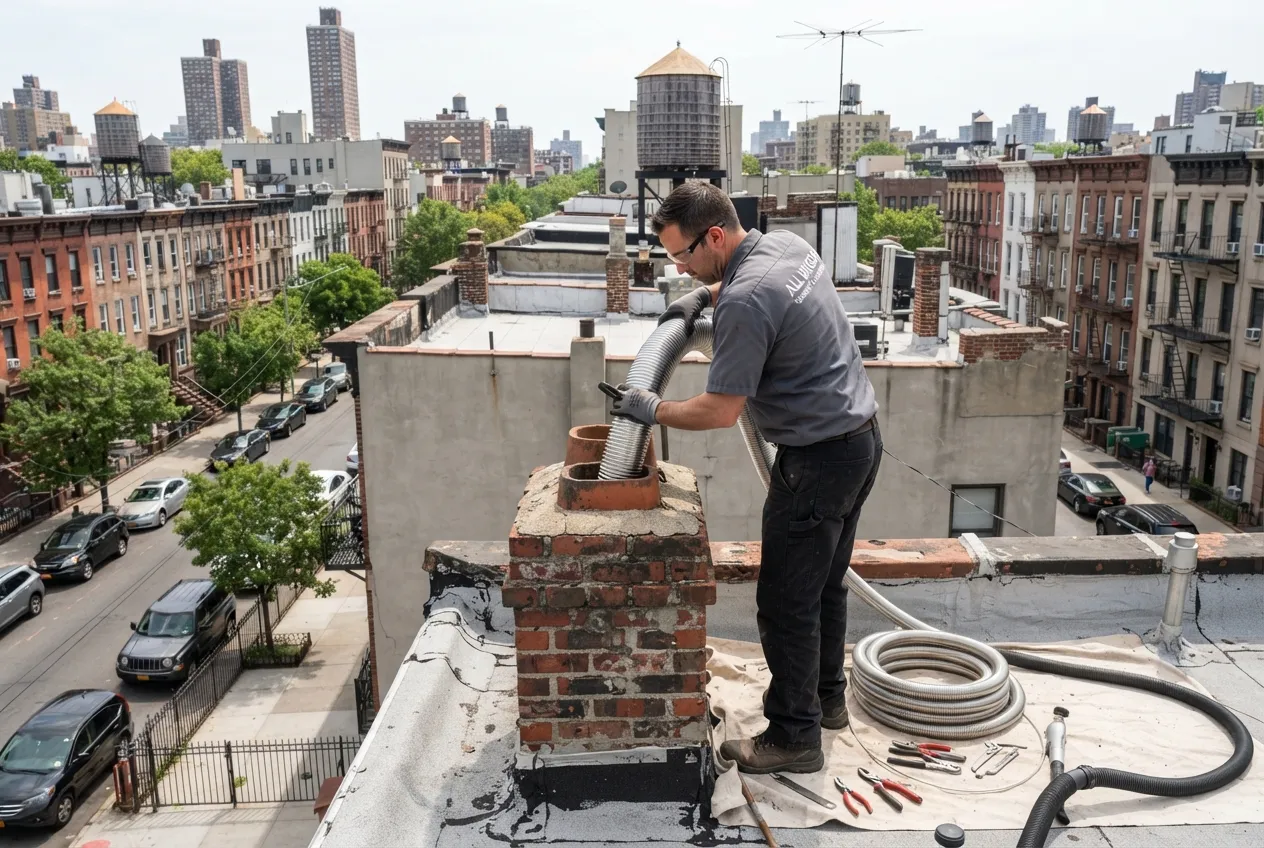
Next, we clean the flue and measure it so the liner matches the appliance's venting requirements. In a brownstone or rowhouse, we usually work from the roof and lower the liner down the chimney. In a pre-war apartment building, we coordinate roof access, boiler room access and timing with the superintendent or managing agent. Once the liner is in place, we connect it to the appliance, fit a cap to keep out rain and animals, and confirm the system is drafting properly. You get photos and a written description of the work.
Keeping a New Liner in Good Shape
A new liner still needs attention. NFPA 211 calls for chimneys, fireplaces and vents to be inspected once a year. For wood-burning fireplaces and inserts, regular sweeping keeps creosote from building up. For gas and oil appliances, the yearly inspection catches loose connections, blockages, debris and early corrosion.
Along with Manhattan Valley, we serve Morningside Heights, the Upper West Side, East Harlem, Carnegie Hill and Yorkville, so we can schedule follow-up inspections without much lead time.
More services in Manhattan Valley
- Chimney Sweep in Manhattan ValleyLocal service & repairs
- Chimney Inspection in Manhattan ValleyLocal service & repairs
- Chimney Repair in Manhattan ValleyLocal service & repairs
- Air Duct Cleaning in Manhattan ValleyLocal service & repairs