The short answer
Most Lincoln Square homes should have their chimney inspected once a year, as the NFPA 211 standard recommends. A Level 1 inspection fits a system that hasn't changed, while a sale, a new appliance or an oil-to-gas boiler conversion calls for a Level 2. Booking before October gives time for repairs before the heat season starts.
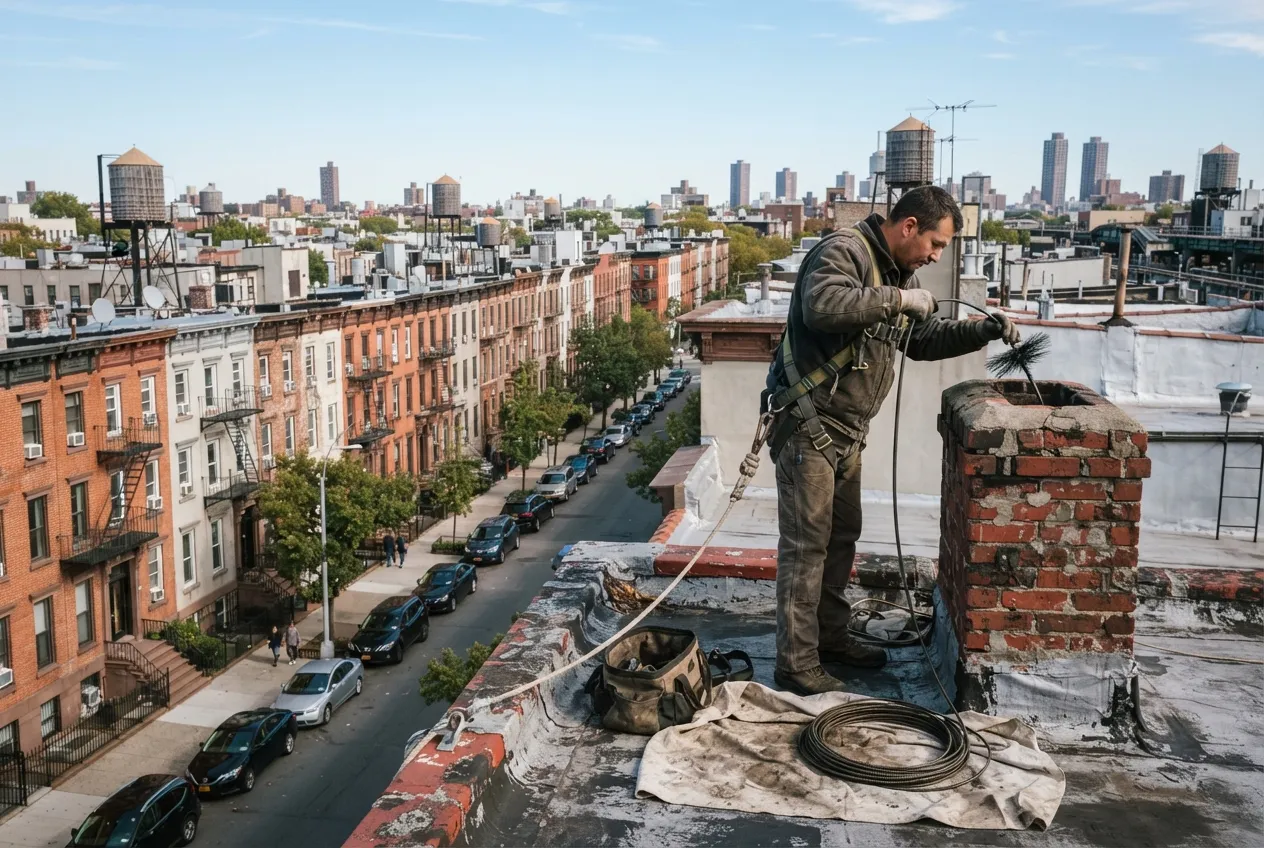
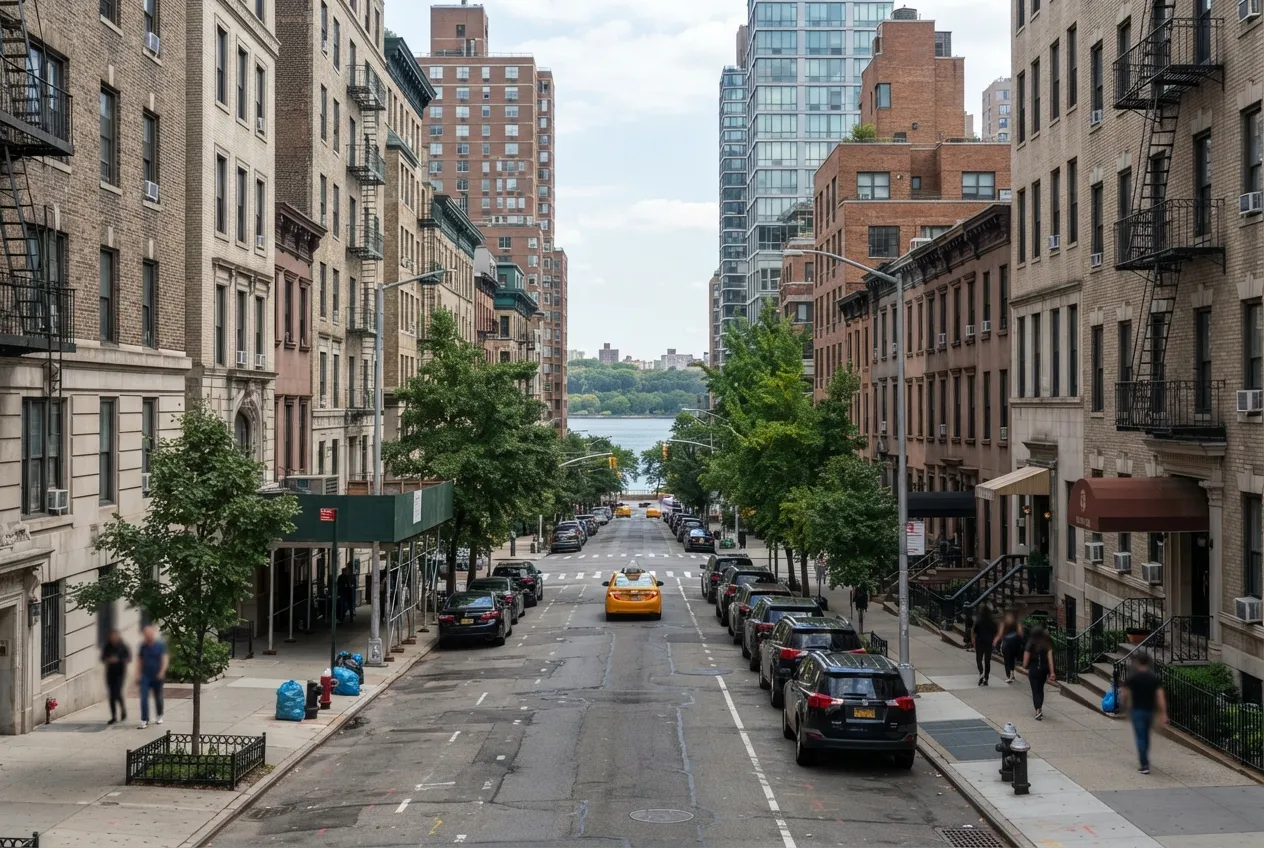
Chimney inspections in Lincoln Square have to fit the housing: brownstones and rowhouses with original fireplaces, pre-war apartment buildings with masonry boiler chimneys, and newer co-op and condo towers with factory-built vents. AshVanta Chimney Services is based in Yorkville, about two miles east across the park, and our certified technicians inspect chimneys throughout ZIP codes 10023 and 10069. This page covers what an inspection involves here, which level your home likely needs, and how to time it so your heat or fireplace is ready when you need it.
What we look at in Lincoln Square chimneys
A brownstone or rowhouse often has several flues running up a shared masonry stack, sometimes with fireplaces on more than one floor. Some flues may have been closed off, relined or reused for a boiler or water heater over the decades. We check each flue that serves an appliance or fireplace, and we note which ones are sealed or unused so you know what you actually have.
In pre-war apartment buildings, the chimney usually serves the central boiler. That flue carries exhaust from a large appliance that runs many months of the year, so the liner, the connection at the base and the condition of the masonry at the roof all matter. In newer buildings and renovated units, we see factory-built fireplaces and metal vent systems, which have their own clearance and connection points to check.
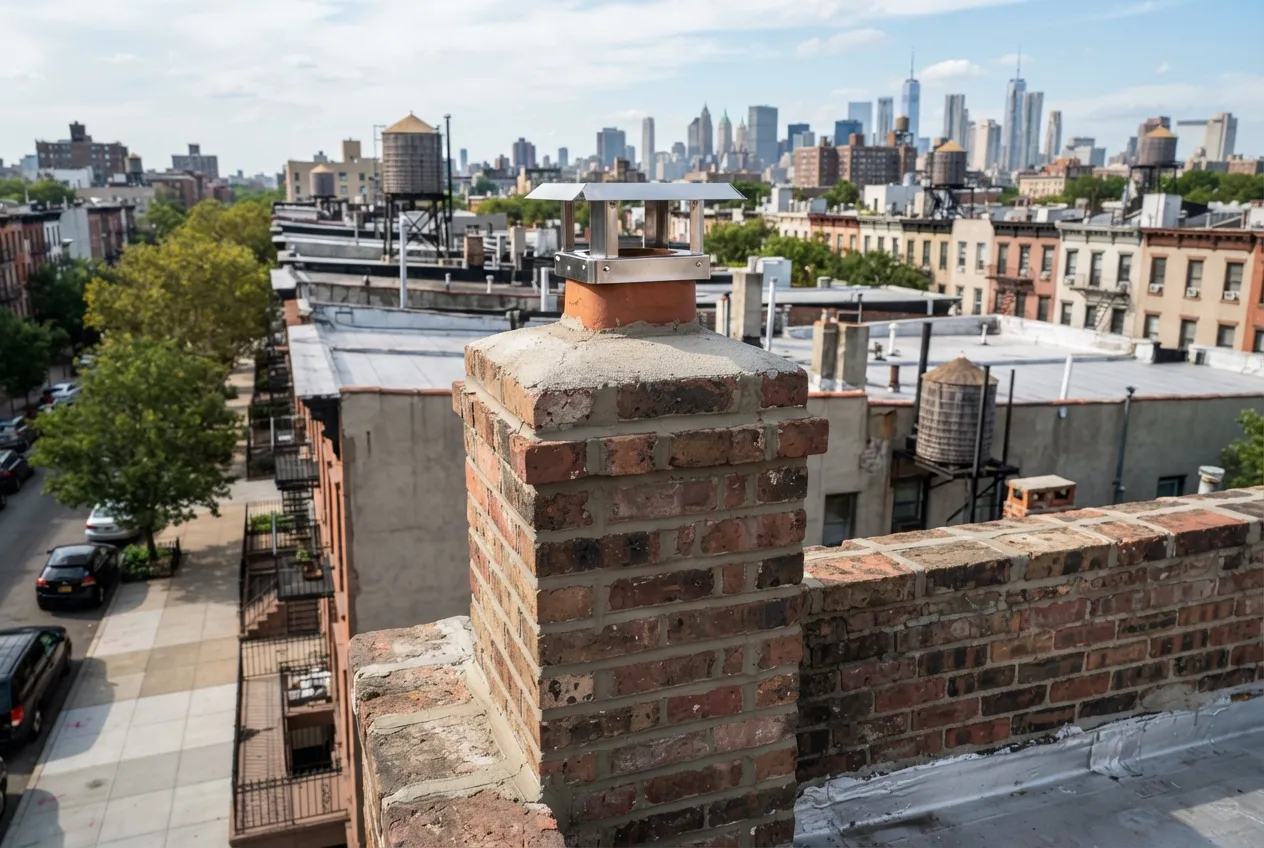
In every case, we look for blockages, creosote or soot buildup, cracked or missing liner sections, deteriorated mortar, damaged crowns and caps, and signs that water is getting in.
Which inspection level your home needs
The NFPA 211 standard calls for chimneys, fireplaces and vents to be inspected once a year. Chimney professionals use three levels of inspection, and the right one depends on what has happened since the last one.
- Level 1: For a system that hasn't changed and that you plan to keep using the same way. We examine the accessible parts of the chimney, the appliance connection and the firebox.
- Level 2: When something changes, such as a new boiler, a new insert or stove, or a switch in fuel. It is also the level used when a home is sold. It includes a closer look at the full length of the flue, typically with a video scan, plus accessible areas like attics and the roof.
- Level 3: Only when a hidden hazard is suspected and the only way to reach it is to open part of the chimney or the building. We would explain why before recommending it.
Oil-to-gas conversions and chimney liners
Many Lincoln Square buildings have moved, or are planning to move, their boilers from oil to gas. When a New York City building makes that conversion, the chimney has to be evaluated as part of the work. A new liner is often needed because gas exhaust produces acidic condensate that can corrode an unlined or old masonry flue from the inside.
If your building or brownstone is converting, a Level 2 inspection gives the owner, the board or the contractor a clear picture of the flue's current condition and size. That helps everyone decide whether the existing chimney can be used or a liner has to go in before the new boiler is fired.
Time for your annual chimney check?
Timing your inspection around heat season
New York City's heat season runs from October 1 through May 31. During those months, building owners must keep apartments heated to the city's minimum temperatures, so a boiler chimney problem can't wait. Scheduling the inspection in late spring or summer leaves room to handle repairs or relining without pressure.
For fireplace owners, the same logic applies. An inspection before the first cold snap means any cleaning or repair is done before you want to light a fire.
What to expect during the visit
We work cleanly in occupied homes and apartments, and we coordinate with building staff when we need roof or boiler room access.
- We confirm the appliances and flues in use and ask about any recent changes or problems, such as smoke, odors or water stains.
- We protect the floor and furnishings around the fireplace or appliance.
- We inspect the firebox, damper, connection and flue, and check the roof portion when it can be safely reached.
- We walk you through what we found, show photos or video where useful, and explain any recommended cleaning or repairs.
More services in Lincoln Square
- Chimney Sweep in Lincoln SquareLocal service & repairs
- Chimney Repair in Lincoln SquareLocal service & repairs
- Air Duct Cleaning in Lincoln SquareLocal service & repairs
- Chimney Liner Installation in Lincoln SquareLocal service & repairs