The short answer
Air duct cleaning is worth doing in a Lincoln Square home when there is substantial visible mold, signs of vermin, or excessive dust and debris in the ducts, which matches U.S. EPA guidance. AshVanta inspects first, cleans only what needs it, and checks the dryer vent too, since lint buildup is a leading fire risk.
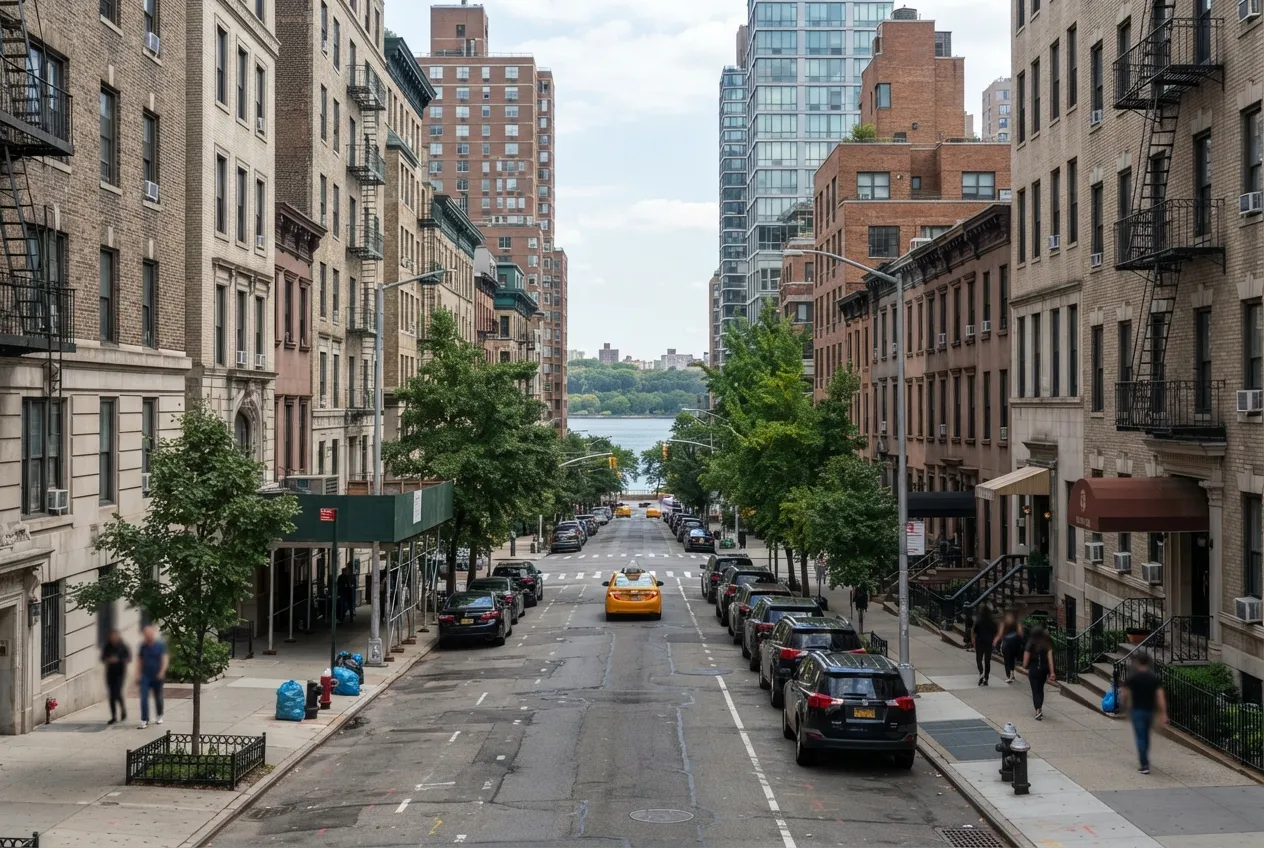
Homes in Lincoln Square range from pre-war apartment buildings to newer high-rise condos and a smaller number of brownstones and rowhouses. Many of them have little traditional ductwork. Others have ducted central air, fan-coil systems added during renovations, or bathroom, kitchen and dryer exhaust runs inside the walls and ceilings. AshVanta Chimney Services cleans residential air ducts and related vents for homeowners in ZIP codes 10023 and 10069. Our certified technicians come over from our office in Yorkville, about 2 miles east. Before we clean anything, we look at your system and tell you plainly whether cleaning makes sense.
How Lincoln Square Homes Are Ventilated
Many older apartment buildings in the neighborhood heat with radiators and cool with window or through-wall units. Those homes may have no supply ducts at all. Renovated units and newer buildings often have ducted split systems or fan-coil units with short duct runs above dropped ceilings. Brownstones and rowhouses that were gut-renovated sometimes have full forced-air systems serving several floors.
Almost every home has exhaust ducts: bathroom fans, range hoods and dryer vents. In a dense building, these runs can be long and hard to reach, and they collect grease, lint and dust out of sight. The first thing we do on any visit is figure out which kind of system you have. The right work depends on that.
When Cleaning Is Worth It, and When It Isn't
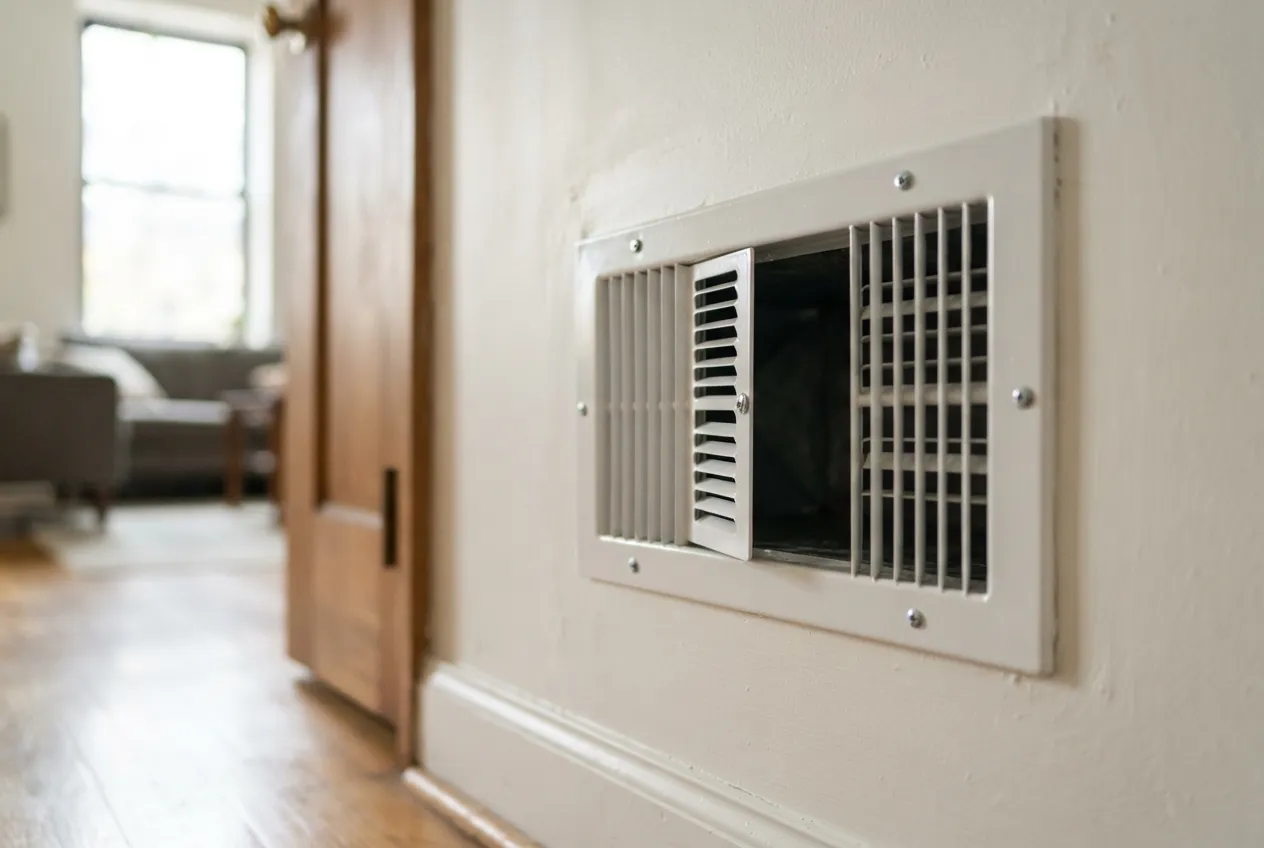
We follow the U.S. EPA's guidance. Duct cleaning is warranted when there is substantial visible mold growth, evidence of vermin such as rodents or insects, or enough dust and debris that it is coming out of the registers. The EPA also notes that duct cleaning has not been shown to prevent health problems, so we won't tell you it will cure allergies or headaches.
If we inspect your ducts and they are in reasonable shape, we'll say so. If mold is present, we'll also point out that it tends to come back unless the moisture source is fixed. That source might be a sweating air handler, a clogged condensate drain or a leak from the unit above.
- Visible mold inside ducts or on the air handler
- Droppings, nesting material or insects in duct runs
- Dust blowing out of registers when the system starts
- Debris left behind after a renovation
- Weak airflow from a bathroom fan or range hood
What Our Technicians Do in Your Home
Apartment work comes with building rules. We schedule around your building's work hours and elevator access, and we protect floors and furniture along the path to your unit. We are happy to coordinate with your super or managing agent when the building asks for it.
The cleaning itself uses negative air pressure and mechanical agitation to loosen and remove debris from supply and return ducts, registers and accessible parts of the air handler. We use chemical treatments such as sanitizers only when there is a clear reason, and we explain the product to you first, in line with EPA cautions.
- Inspection of registers, accessible duct runs and the air handler
- Cleaning of supply and return ducts with negative-pressure equipment
- Cleaning of grilles, diffusers and fan housings
- Review of filter fit and condensate drainage
- A plain summary of what we found and what we cleaned
Time for your annual chimney check?
Dryer and Exhaust Vents Deserve Attention
According to the U.S. Fire Administration, failure to clean is the leading factor contributing to home clothes dryer fires. Many Manhattan apartments have in-unit dryers that vent through long or awkward runs. Lint builds up quickly in those runs, especially where the vent bends or reaches a shared exhaust. Signs of trouble include clothes that take longer to dry and a laundry area that feels unusually hot.
Kitchen and bathroom exhaust ducts also collect grease and dust that cut down airflow. We clean the parts of these vents inside your home. If a shared building riser looks like the problem, we'll tell you so you can raise it with management.
Timing Around the Heating and Cooling Seasons
New York City's heat season runs from October 1 through May 31. Homes with ducted systems often switch between heating and cooling around those dates, and the switch is a practical time for an inspection. Late spring, before the air conditioning runs hard, and early fall are common choices. We also serve nearby homeowners on the Upper West Side, Carnegie Hill, the Upper East Side, Lenox Hill and Roosevelt Island.
More services in Lincoln Square
- Chimney Sweep in Lincoln SquareLocal service & repairs
- Chimney Inspection in Lincoln SquareLocal service & repairs
- Chimney Repair in Lincoln SquareLocal service & repairs
- Chimney Liner Installation in Lincoln SquareLocal service & repairs