The short answer
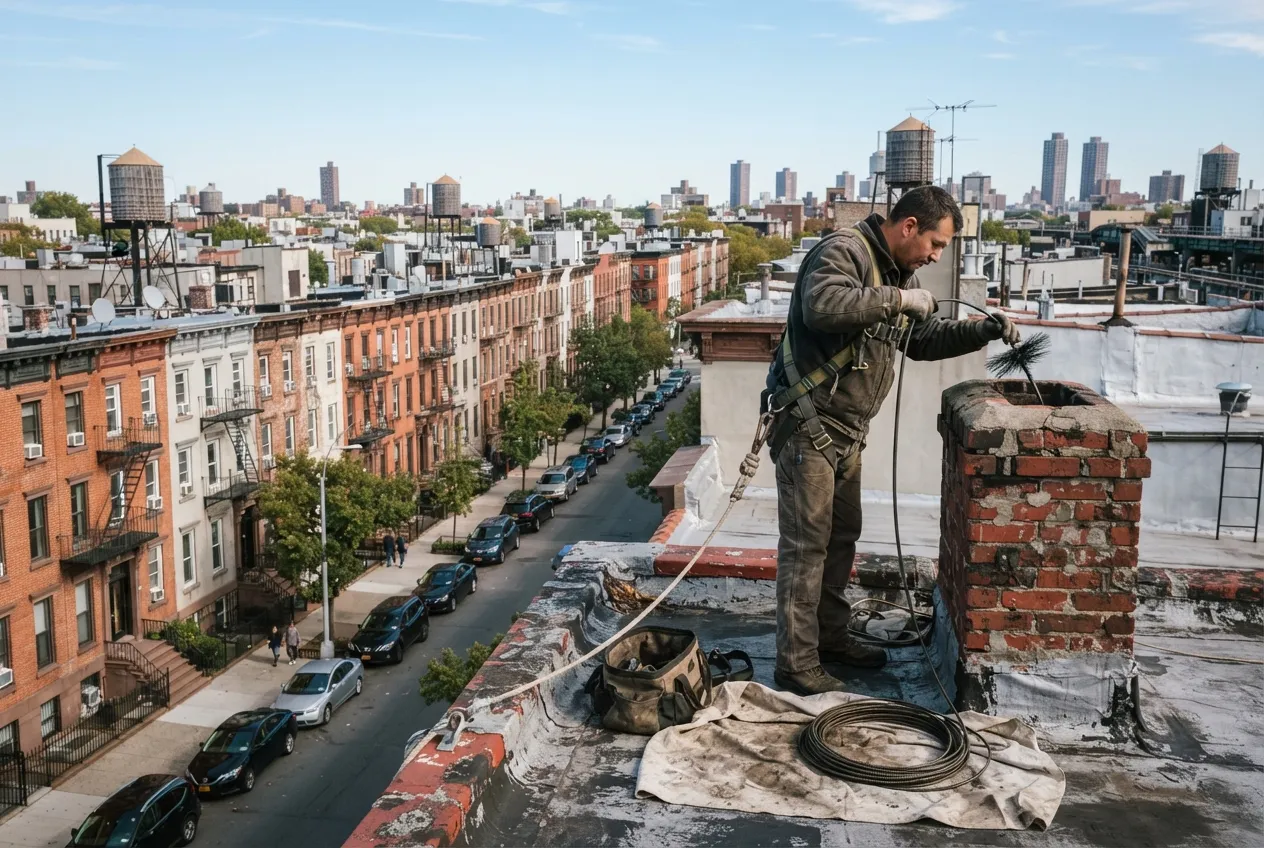
The NFPA 211 standard calls for chimneys, fireplaces and vents to be inspected once a year. Most Carnegie Hill homes need a Level 1 inspection, but a Level 2 is called for after a sale, a new appliance or a fuel switch such as an oil-to-gas boiler conversion. AshVanta's certified technicians come from nearby Yorkville and explain the findings in plain terms.
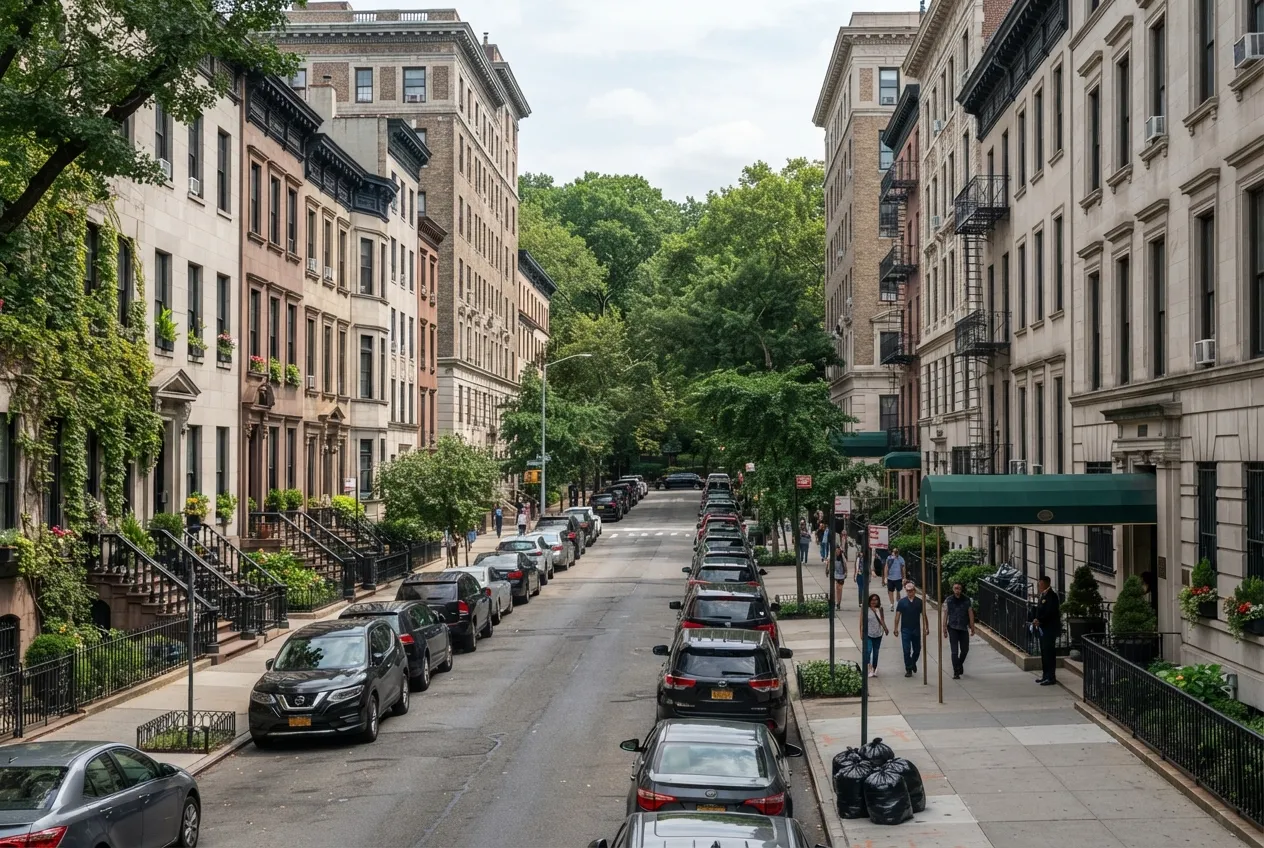
Many Carnegie Hill homes heat with fireplaces and boilers that vent through masonry chimneys built generations ago. Brownstones, limestone townhouses and pre-war apartment buildings often have tall, narrow flues that have been relined, partly relined or not relined at all over the decades. AshVanta Chimney Services sends certified technicians from our Yorkville office, about a mile north, to inspect these chimneys and tell you plainly what we find. This page explains how inspections work here, which level your home likely needs, and what we look for in older Manhattan buildings.
Which Inspection Level Your Carnegie Hill Home Needs
Chimney professionals use three inspection levels, and the right one depends on what has changed in your home. We will ask a few questions before the visit so the inspection matches your situation.
- Level 1: For a chimney that has been in regular use with no changes. We check the readily accessible parts of the chimney, the firebox, the damper and the connections, and confirm the flue is clear.
- Level 2: For a home being bought or sold, a new heating appliance, a switch of fuel, or damage after a chimney fire or storm. This adds a camera scan of the flue interior plus a closer look at attics, basements and accessible spaces the chimney passes through.
- Level 3: Only when a serious hidden hazard is suspected and the only way to reach it is to open part of the chimney or the building. We explain why before recommending it.
What We Look For in Brownstones and Townhouses
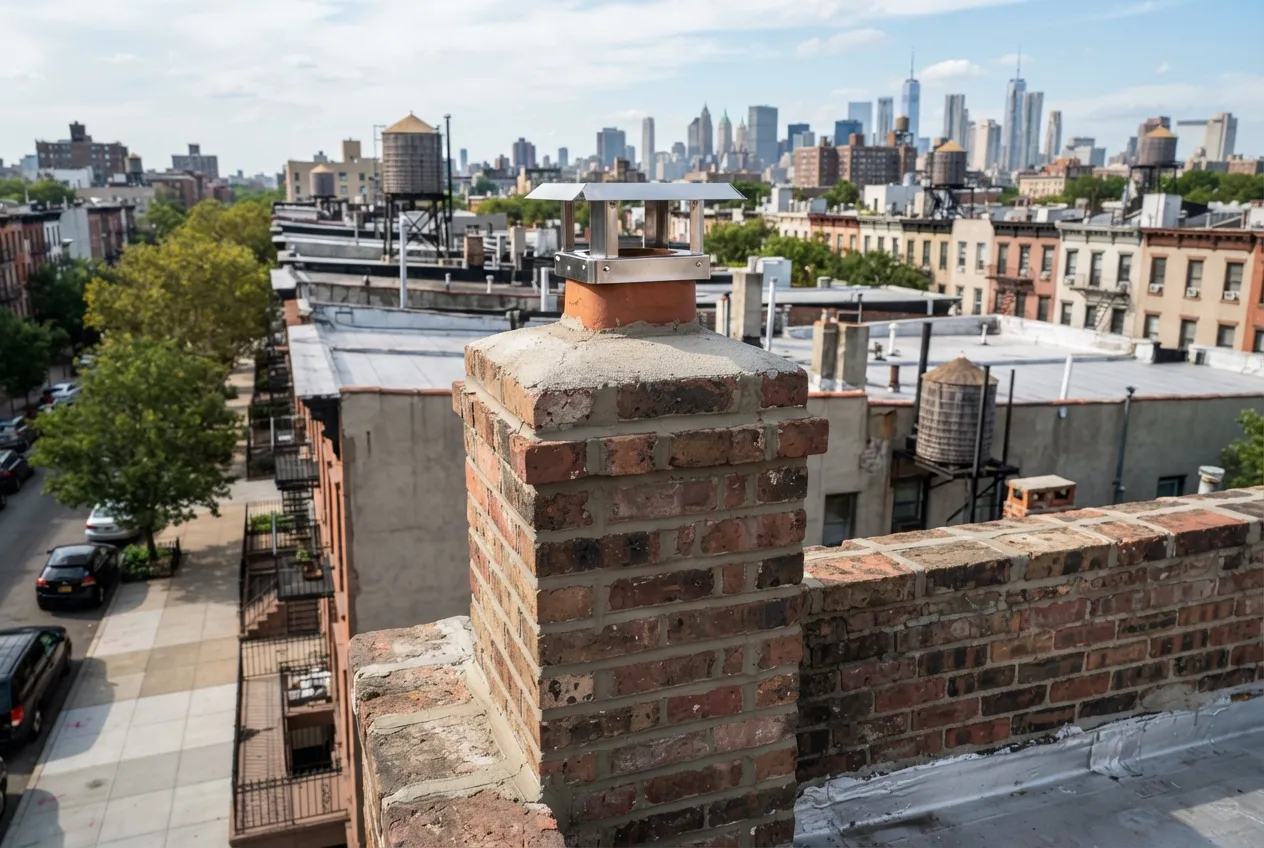
Carnegie Hill rowhouses frequently have several flues sharing one chimney stack, with fireplaces on more than one floor. Over time, owners close off some fireplaces, add inserts to others and route a boiler into yet another flue. An inspection sorts out which flue serves which appliance and whether each one is in safe condition.
On these older masonry chimneys we pay close attention to cracked or missing clay tile liners, eroded mortar joints between flues, soot and creosote buildup, damaged smoke chambers, and dampers that no longer seal. On the roof we check the crown, flashing and cap, since water entry is a common cause of interior masonry damage in older Manhattan buildings.
Oil-to-Gas Conversions and Liners
Many buildings in the neighborhood originally burned oil. When a New York City building converts its boiler from oil to gas, the chimney has to be evaluated as part of the work. A new liner is often needed because gas exhaust produces acidic condensate that can corrode a masonry flue that was fine for oil.
If you are planning a conversion or replacing a boiler or water heater, a Level 2 inspection gives you and your heating contractor a clear picture of the flue before work begins. We document the liner condition with camera footage and explain the options without pushing work you don't need.
Time for your annual chimney check?
Timing Inspections Around the Heat Season
New York City's heat season runs from October 1 through May 31, when building owners must keep apartments heated to the city's minimum temperatures. For owners of townhouses with rental units or small pre-war buildings, a boiler flue problem found in January is far harder to deal with than one found in summer.
We suggest booking your yearly inspection in late spring or summer. That leaves time to schedule any repairs, relining or cleaning before the boiler and fireplaces go back into regular use in the fall.
What You Get After the Visit
After the inspection, your technician walks you through what they saw, shows photos or camera footage where it helps, and separates urgent safety issues from items that can wait. You receive a written summary you can keep with your home records or share with a buyer, seller, co-op board or heating contractor.
We also serve neighboring Upper East Side, Yorkville, Lenox Hill, Roosevelt Island and the Upper West Side.
More services in Carnegie Hill
- Chimney Sweep in Carnegie HillLocal service & repairs
- Chimney Repair in Carnegie HillLocal service & repairs
- Air Duct Cleaning in Carnegie HillLocal service & repairs
- Chimney Liner Installation in Carnegie HillLocal service & repairs