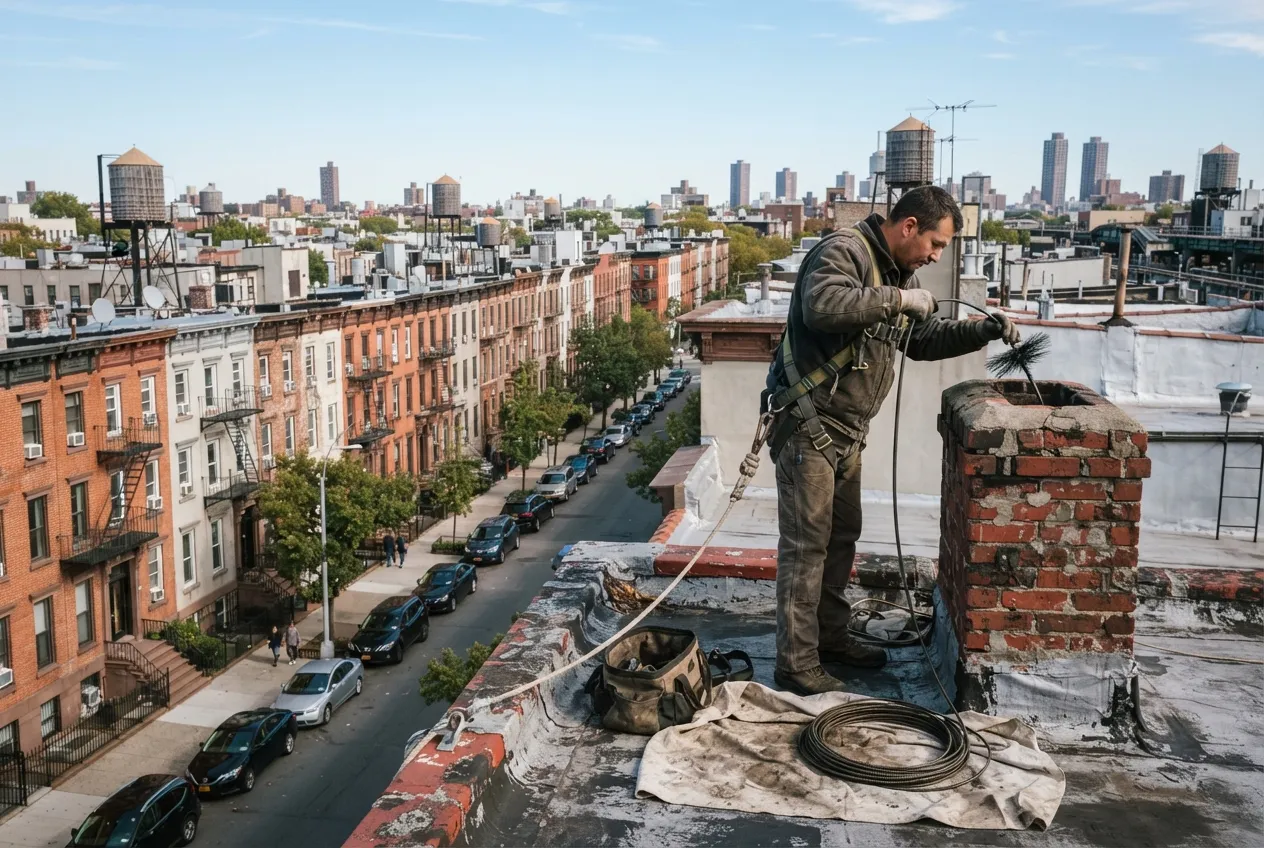
The short answer
Under the NFPA 211 standard, chimneys, fireplaces and vents should be inspected once a year. On the Upper East Side, the right level of inspection depends on whether anything has changed, such as a new appliance, an oil-to-gas boiler conversion or a home sale. AshVanta inspects fireplace and boiler chimneys throughout the neighborhood and nearby areas.
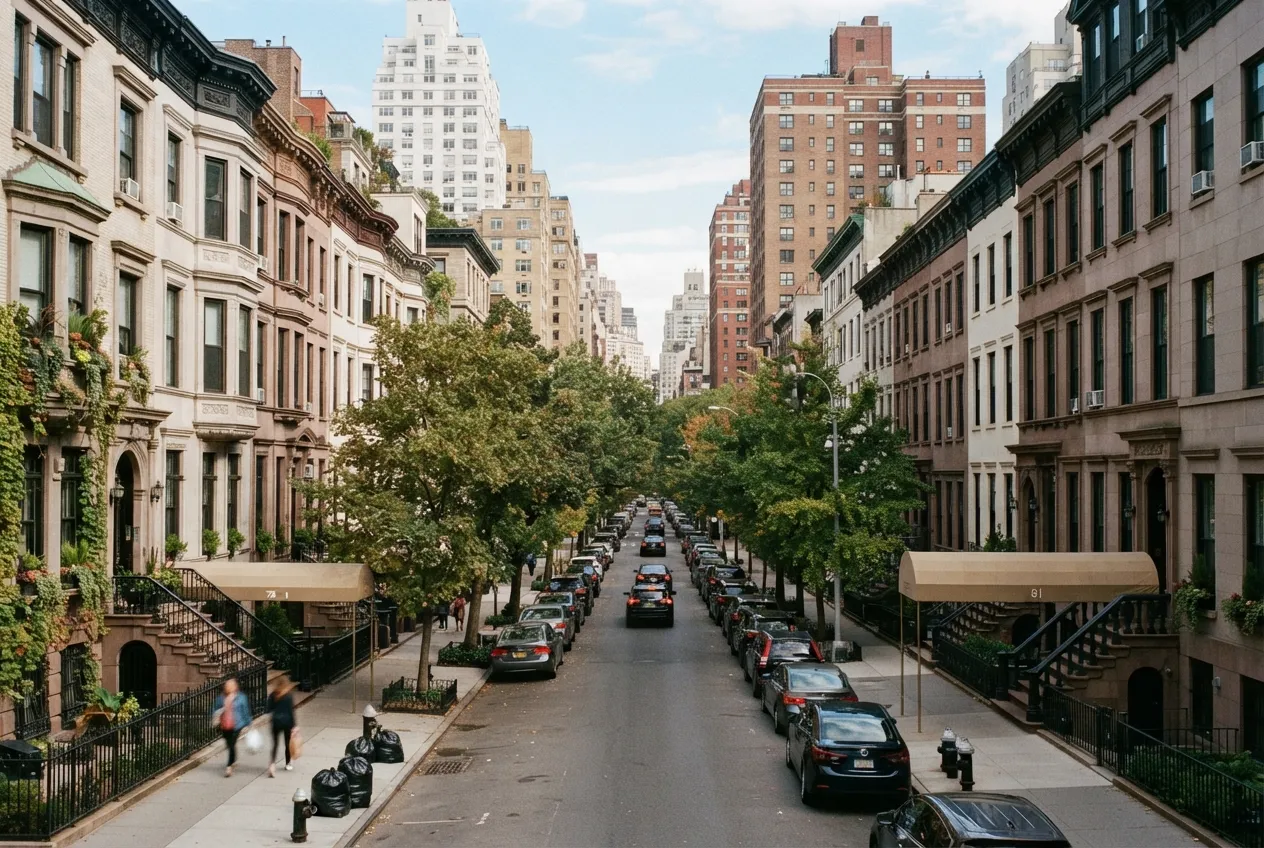
Many Upper East Side homes still have working fireplaces, and many buildings have boiler chimneys that run the full height of the building. Brownstones, townhouses and pre-war apartment buildings often have chimneys that have been rebuilt, relined or adapted over the decades, and not every change is visible from the hearth. AshVanta Chimney Services inspects chimneys, fireplaces and vents across the neighborhood. Our office is in Yorkville, so the Upper East Side is close by. Our certified technicians tell you what condition your chimney is in, what it can safely be used for, and what needs attention before the next fire.
Why a yearly inspection matters for Upper East Side chimneys
The NFPA 211 standard calls for chimneys, fireplaces and vents to be inspected once a year. This matters for older Manhattan masonry. Mortar joints wear down, flue tiles crack, and a chimney that worked well for a past owner may not suit how you use it now.
An inspection is different from a cleaning. A cleaning removes soot and creosote. An inspection checks whether the system is sound: whether the flue is intact, whether the liner fits the appliance connected to it, and whether there are gaps where heat or exhaust could escape into the walls or the living space.
Choosing the right inspection level
Chimney professionals use three inspection levels. The right one depends on your situation, not on how old the house is.
- Level 1: for a chimney used the same way as before, with no changes since the last inspection. We check the accessible parts of the chimney, fireplace and connections.
- Level 2: for when something changes. Examples include installing a new appliance, switching fuel, or selling or buying the home. This level includes a closer look at the flue, usually with a camera.
- Level 3: for when a hidden hazard is suspected and the only way to reach it is to open part of the chimney or building. This is used only when the earlier levels point to a problem that cannot be seen any other way.
What we look at in brownstones, townhouses and pre-war buildings
Upper East Side homes often have more than one flue in a single chimney stack. Some fireplaces were closed off and later reopened, and some original flues were never lined at all. We check each flue that serves your home and note anything that affects safe use.
- Firebox, damper and smoke chamber condition
- Flue tiles or liner, checked for cracks, gaps and blockages
- Creosote buildup and signs of past chimney fires
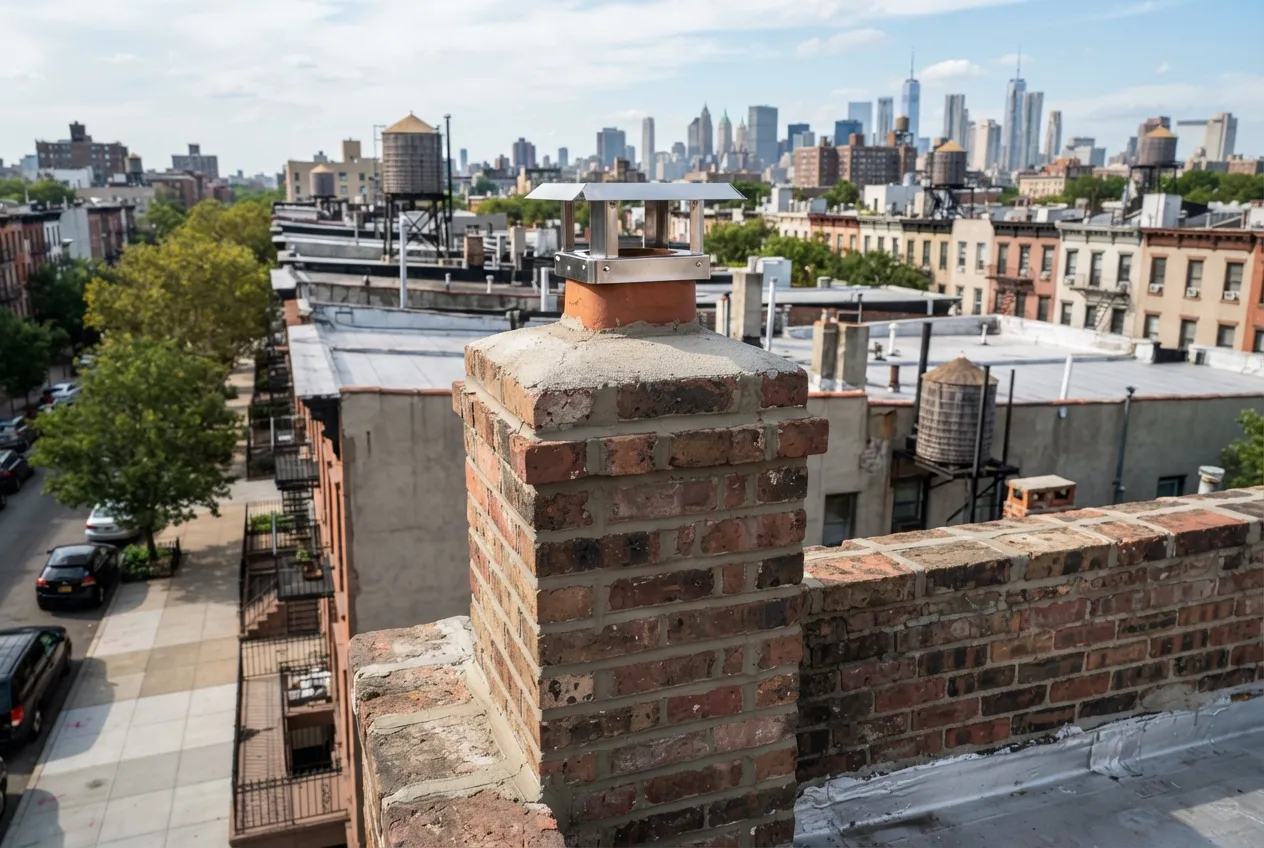
- Chimney crown, cap and exterior masonry, where accessible
- Connections between heating appliances and the flue
- Clearance between the chimney and nearby woodwork, where visible
Time for your annual chimney check?
Oil-to-gas conversions and chimney liners
Many Upper East Side buildings have converted, or are planning to convert, their boilers from oil to gas. In New York City, the chimney has to be evaluated as part of that work. A new liner is often needed, because gas exhaust produces acidic condensate that can corrode a masonry flue designed for oil.
If your building or townhouse is going through a conversion, we can inspect the chimney and report clearly on its condition and on what the change in fuel means for the flue. This is a common reason for a Level 2 inspection.
Scheduling around heat season
New York City's heat season runs from October 1 through May 31. During that period, building owners must keep apartments heated to the city's minimum temperatures. Finding a boiler chimney problem in the middle of winter can leave few good options, so late spring and summer are practical times to inspect heating flues.
Fireplace owners benefit from inspecting before the first cold weather, too. In co-ops and condos, we can work around building access rules and coordinate with your super or managing agent when the roof or a mechanical room has to be reached.
Where we inspect chimneys
We serve the whole Upper East Side, including ZIP codes 10021, 10028, 10044, 10065, 10075, 10128 and 10162. We also work in the nearby neighborhoods of Carnegie Hill, Lenox Hill, Roosevelt Island and Yorkville, as well as Old Astoria across the river.
More services in Upper East Side
- Chimney Sweep in Upper East SideLocal service & repairs
- Chimney Repair in Upper East SideLocal service & repairs
- Air Duct Cleaning in Upper East SideLocal service & repairs
- Chimney Liner Installation in Upper East SideLocal service & repairs