The short answer
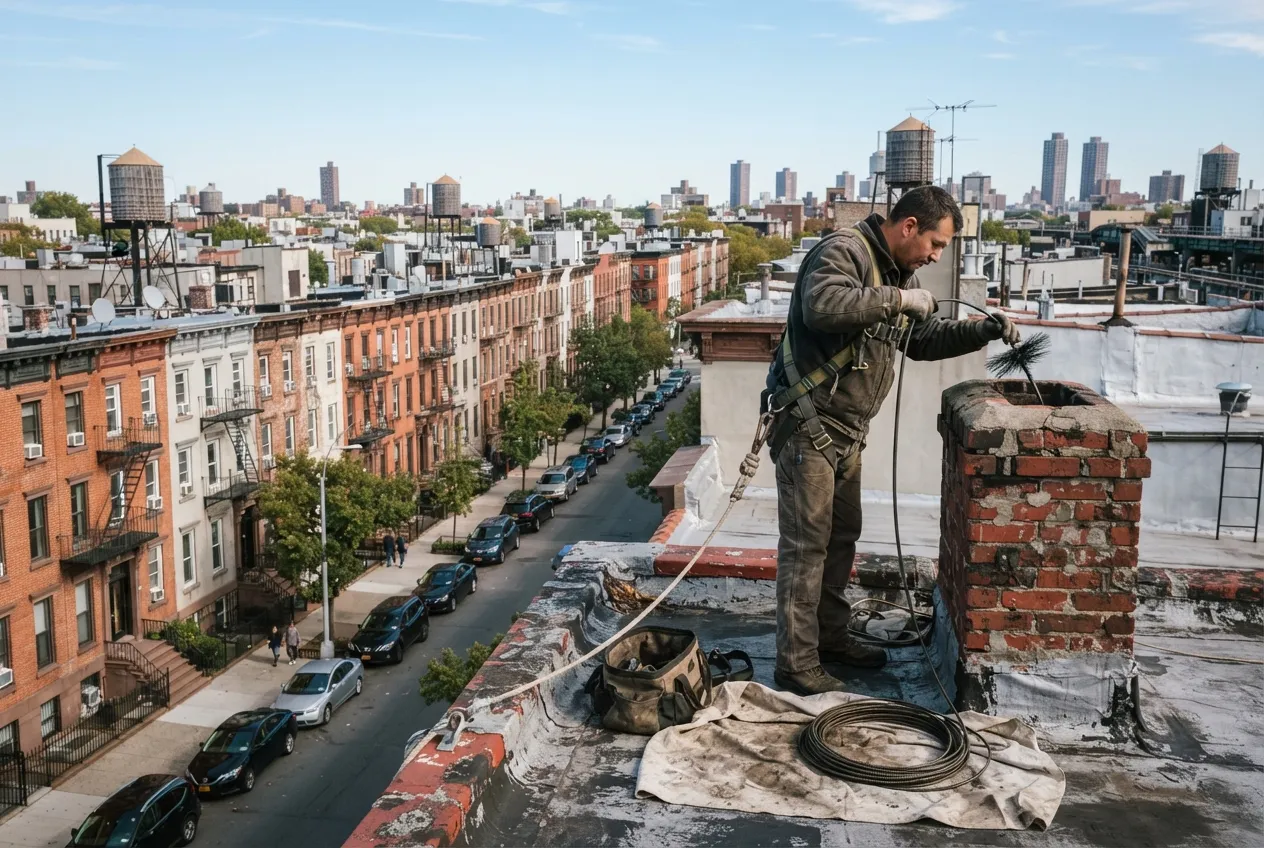
Roosevelt Island buildings usually need a new chimney liner after an oil-to-gas boiler conversion, a new appliance, or an inspection that finds a damaged flue. AshVanta inspects the chimney first, sizes a liner to the appliance and flue, installs it and tests the draft before the system goes back into service.
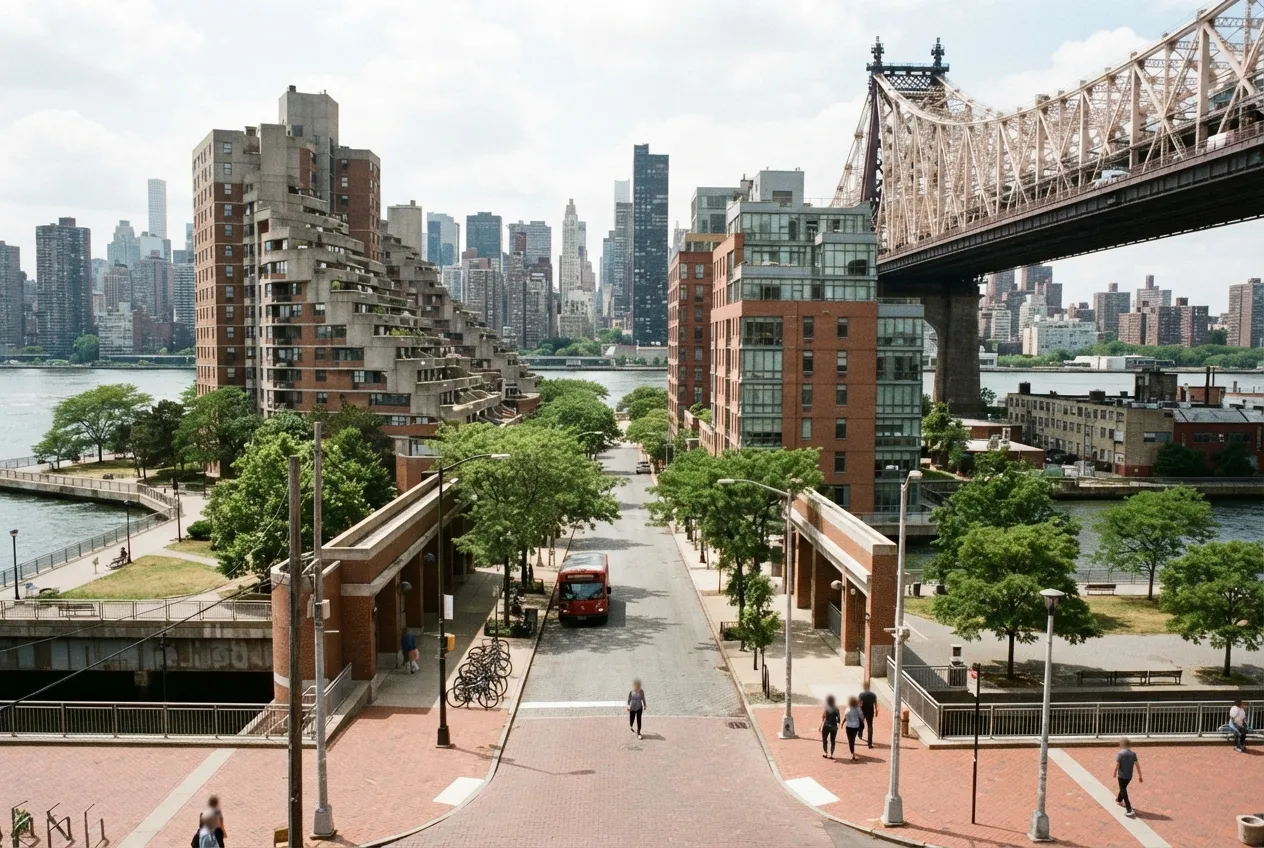
Most homes on Roosevelt Island are apartments, and in an apartment building the chimney is shared equipment. One flue often carries exhaust from a central boiler or water heater for every unit it serves. When that flue's lining cracks, wears away or no longer suits the appliance connected to it, the problem affects the whole building. AshVanta Chimney Services installs chimney liners for buildings and residences in Roosevelt Island from our office in Yorkville, about a mile away. Our certified technicians inspect the flue, size the right liner, install it and test the system so exhaust leaves the building the way it should.
Why Roosevelt Island Buildings Need New Liners
A chimney liner is the inner channel that carries smoke and combustion gases up and out. It shields the surrounding masonry from heat and corrosive exhaust, keeps gases from seeping into walls and neighboring spaces, and gives the appliance a flue of the right size so it drafts properly. When the liner fails, none of those protections can be relied on.
In New York City, the most common reason for a new liner is a fuel change. When a building converts its boiler from oil to gas, the chimney has to be evaluated as part of the work, and a new liner is often needed. Gas exhaust produces acidic condensate that can corrode a masonry flue, and an old clay-tile flue built for oil was not designed for that. Other signs that a liner needs attention include:
- Cracked, shifted or missing clay tiles found during an inspection
- A new boiler or water heater with different venting requirements than the old one
- Crumbling mortar or flue debris collecting at the base of the chimney
- Staining, dampness or white mineral deposits on walls next to the chimney
- Poor draft, backdrafting, or soot and odors near the appliance
Inspection and Sizing Come First
The NFPA 211 standard calls for chimneys, fireplaces and vents to be inspected once a year. It also defines when a closer look is needed. A Level 2 inspection applies when the system changes, such as a new appliance or a switch of fuel, or when the property is sold. A Level 3 inspection applies when a hidden hazard can only be reached by opening part of the chimney or building. For liner work, we start with the appropriate level, including a camera survey of the full flue.
Sizing matters as much as the liner itself. A liner that is too large lets exhaust cool and condense before it exits, which weakens draft and adds moisture to the flue. One that is too small restricts the appliance. We size each liner to the appliance's output, the height of the flue and any offsets in its path.
How the Installation Works
Every chimney is different, but a typical liner installation follows the same sequence. We explain what we found and what we recommend before any work begins, so building management or the owner knows the scope in advance.
- Inspect the flue with a camera and record its condition
- Measure the flue's height, dimensions and any bends or offsets
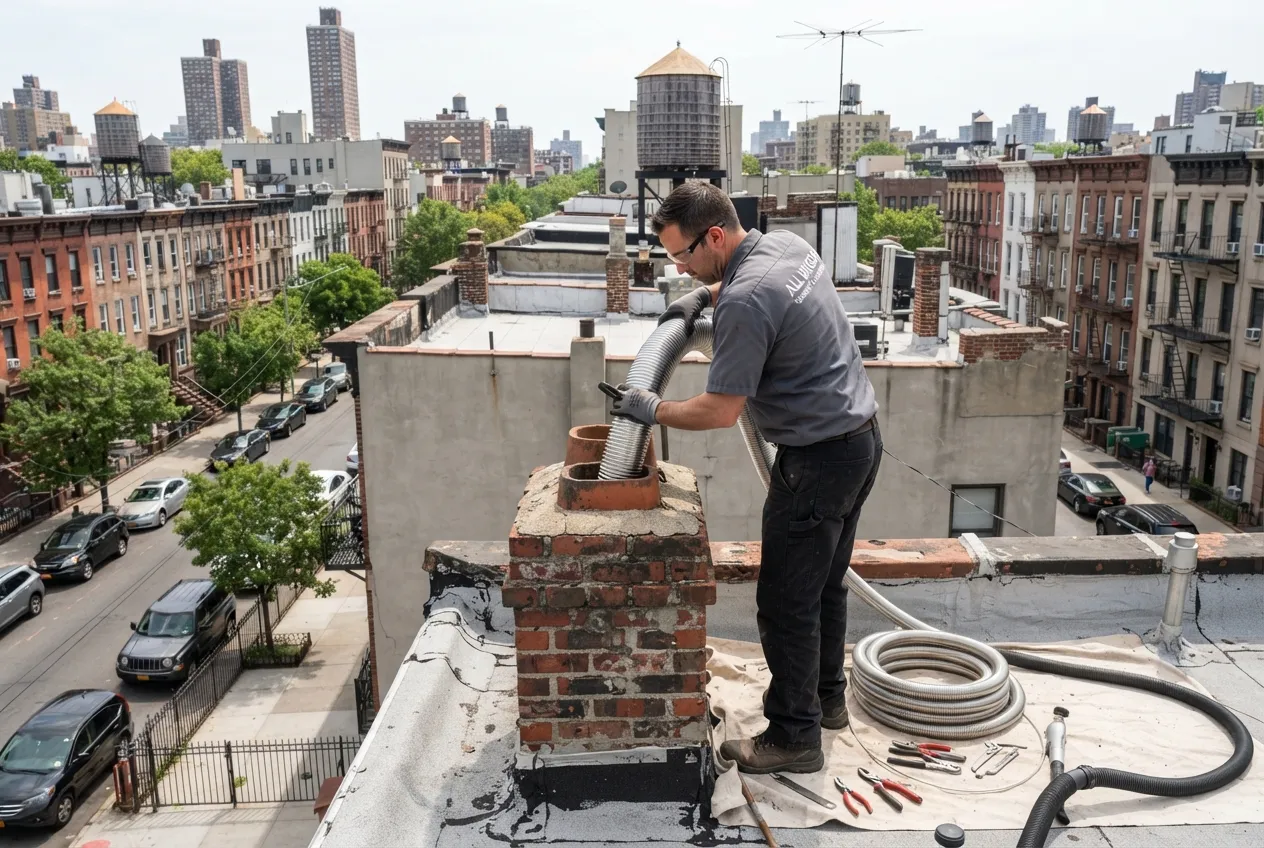
- Choose a liner material suited to the fuel, commonly stainless steel for gas and oil appliances, with insulation where the flue requires it
- Clean the existing flue and lower the liner from the roof
- Connect the liner to the appliance and fit a cap at the top
- Run a draft test and a final camera check before the appliance returns to service
Time for your annual chimney check?
Planning Liner Work in Apartment Buildings
Liner jobs in multifamily buildings take coordination. We work with superintendents and building managers on roof access, protecting hallways and common areas, and timing the shutdown of the appliance connected to the flue. Residents should know in advance when heat or hot water will be off.
Timing also depends on the calendar. New York City's heat season runs from October 1 through May 31, and during those months building owners must keep apartments heated to the city's minimum temperatures. Because a boiler has to be offline while its flue is relined, many buildings schedule planned liner work outside heat season. When a failed liner is discovered in winter, we plan the job to keep the boiler offline for as short a time as the work safely allows.
Some residences on the island have their own fireplace or appliance flue. The same inspection, sizing and testing steps apply, scaled to a single unit.
Serving Roosevelt Island and Nearby Neighborhoods
Our office in Yorkville is a short trip from Roosevelt Island, so scheduling inspections and follow-up visits is straightforward. We serve ZIP codes 10044, 10021, 10065, 10075 and 10162, along with nearby neighborhoods including Lenox Hill, the Upper East Side, Carnegie Hill, Yorkville and Old Astoria. Many of these areas share the same mix of pre-war and later apartment buildings, and the same oil-to-gas conversion questions come up throughout.
More services in Roosevelt Island
- Chimney Sweep in Roosevelt IslandLocal service & repairs
- Chimney Inspection in Roosevelt IslandLocal service & repairs
- Chimney Repair in Roosevelt IslandLocal service & repairs
- Air Duct Cleaning in Roosevelt IslandLocal service & repairs