The short answer
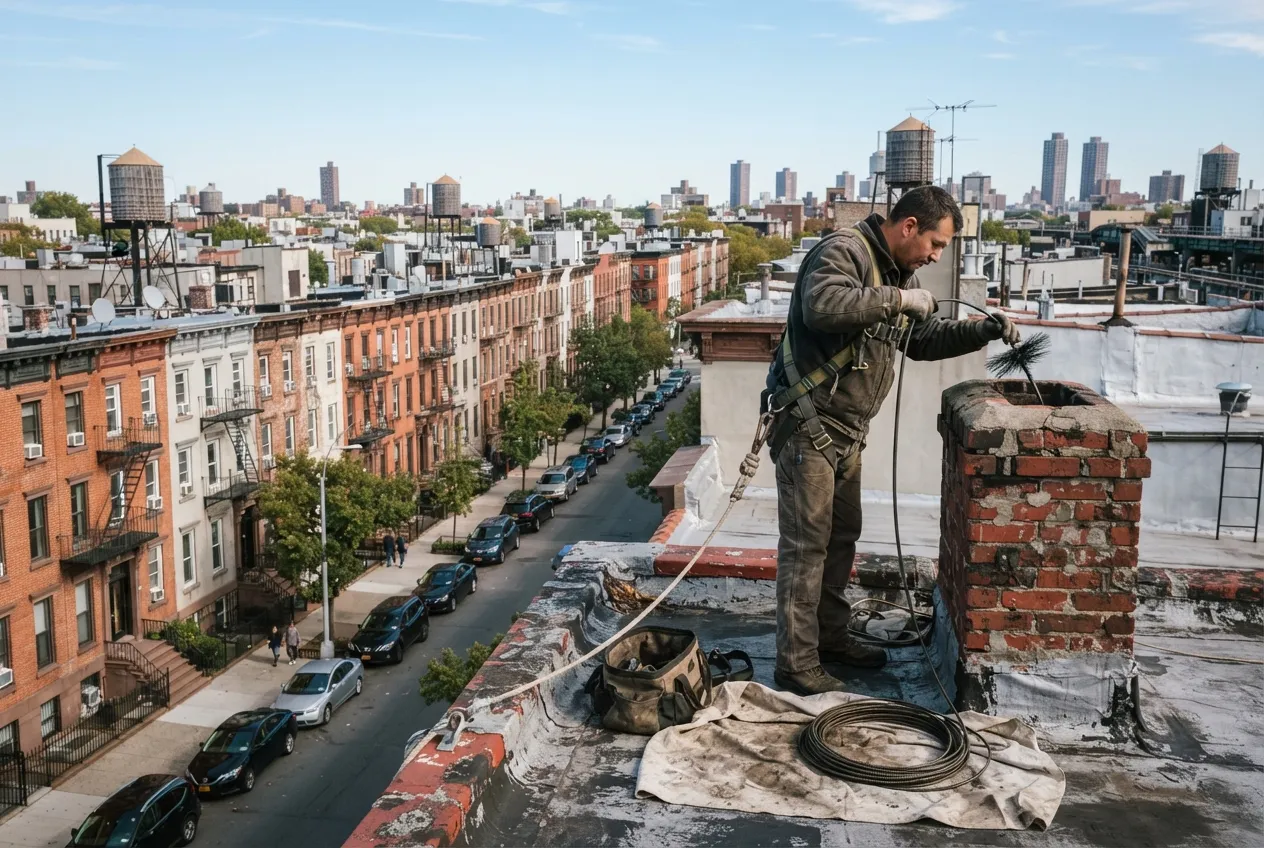
A chimney inspection checks that your flue, fireplace or appliance vent is sound, clear and safely carrying exhaust out of the building. The NFPA 211 standard calls for an inspection once a year, with a more detailed level when something changes, such as a new appliance, a fuel switch or a sale.
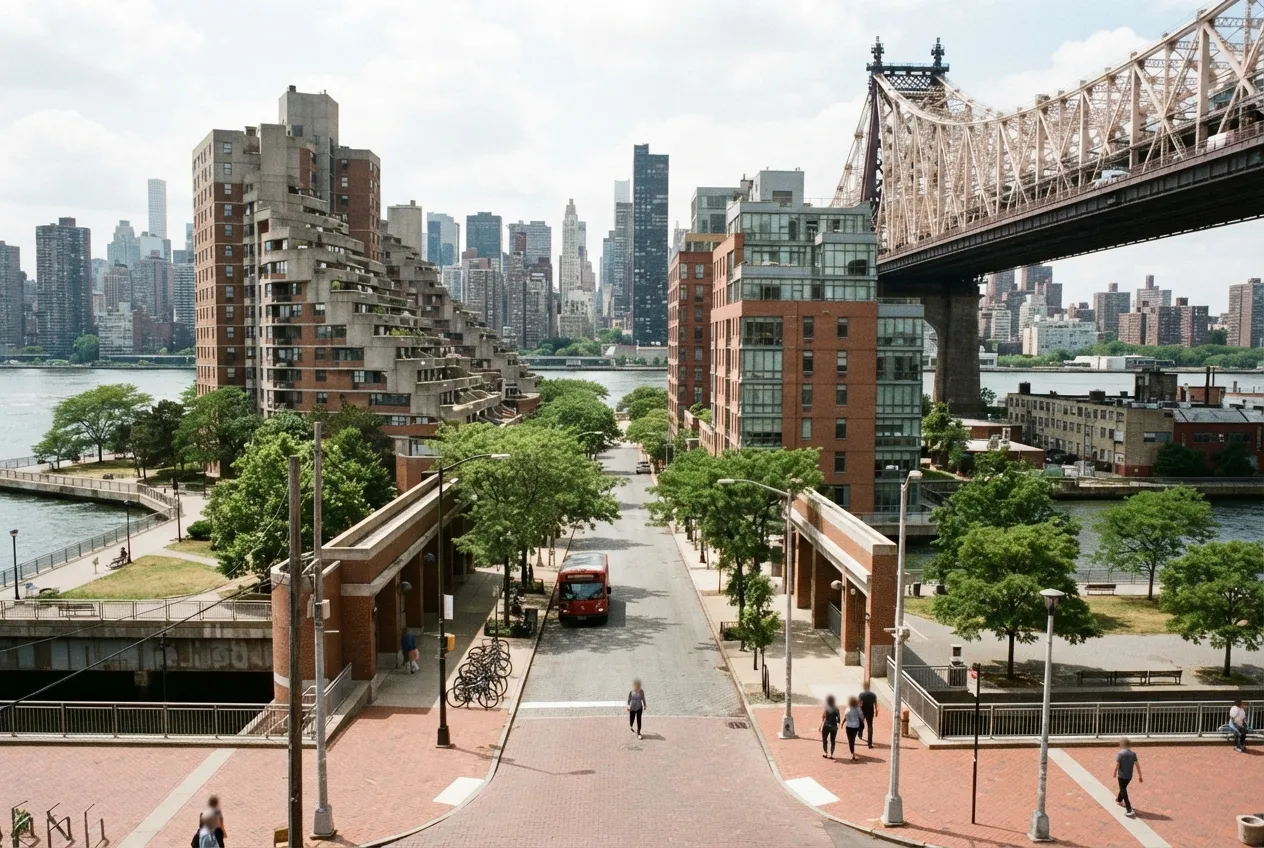
On Roosevelt Island, most chimneys and flues are not in a detached house. They are inside apartment buildings: a fireplace in a unit, a vent serving a gas appliance, or a tall masonry or metal flue carrying exhaust from a building boiler. AshVanta Chimney Services inspects these systems for residents, co-op and condo boards, and building managers. We are based in Yorkville, about a mile away, and our certified technicians can tell you what condition your chimney or vent is in, whether it is safe to use, and what, if anything, needs attention.
What we look at in Roosevelt Island buildings
Housing on the island is mostly mid-rise and high-rise apartment buildings, so an inspection here usually means working with the building's layout instead of climbing a pitched roof. We check the parts of the system you can reach from the unit and, where building access allows, from the roof and the boiler or mechanical room.
For a fireplace, that means the firebox, damper, smoke chamber and the visible flue. For gas appliances and boilers, we focus on the vent connection, draft, and signs that exhaust or condensate is causing damage. We describe what we find in plain terms so you or your board can decide what to do next.
- Cracked or missing flue liner sections and deteriorated mortar joints
- Soot, creosote or debris buildup that narrows the flue
- Blockages from nesting animals, fallen masonry or leaves
- Damper operation and fit
- Signs of water entry, rust or staining around the chimney
- Loose or corroded connector pipes between an appliance and the flue
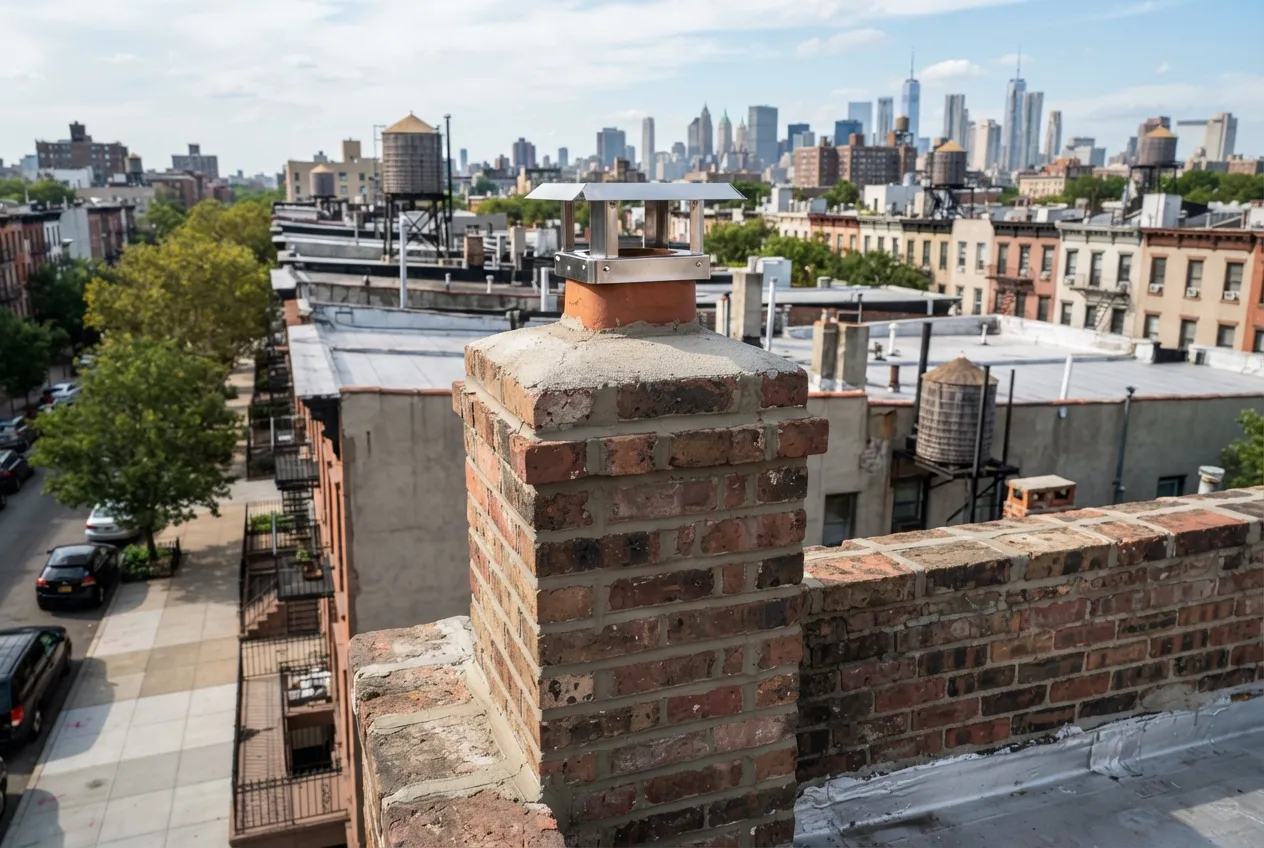
- Condition of the chimney cap and crown where we can reach the roof
Choosing the right inspection level
The NFPA 211 standard calls for chimneys, fireplaces and vents to be inspected once a year. Chimney professionals use three levels of inspection, and the right one depends on what has happened since the last check.
- Level 1: for a system that has not changed and is being used the same way. This is the routine yearly check.
- Level 2: when the system changes, for example a new appliance or a switch to a different fuel, or when the home or unit is being sold.
- Level 3: when a hidden hazard has to be reached by opening part of the chimney or the surrounding building. We only recommend this when a Level 1 or Level 2 inspection points to a problem that cannot be seen otherwise.
Boiler chimneys and oil-to-gas conversions
Many Manhattan buildings have switched or are planning to switch their boilers from oil to gas. When a New York City building converts from oil to gas, the chimney has to be evaluated as part of the work. A new liner is often needed, because gas exhaust produces acidic condensate that can corrode a masonry flue designed for oil.
If your building is considering a conversion, an inspection early in the planning helps the board or manager know what condition the flue is in before the work is scheduled. If the conversion is already done, a follow-up inspection can show whether condensate is causing damage.
Time for your annual chimney check?
Timing your inspection around heat season
New York City's heat season runs from October 1 through May 31. During those months, building owners must keep apartments heated to the city's minimum temperatures, so the boiler and its chimney need to be working reliably.
For that reason, late spring and summer are practical times to inspect a boiler flue. Any repairs can be planned without taking heat away from residents. For a fireplace in your unit, scheduling before you start using it in the fall gives time to deal with anything we find.
What to expect on the visit
Before we arrive, it helps to tell building staff or management so they can arrange access to the roof or mechanical room if needed. Please don't use the fireplace for a day or so beforehand so the firebox is cool.
We protect the floor and furniture near the fireplace, inspect the system, and walk you through the results. You get a written summary describing the condition of each component and any repairs or cleaning we recommend. If the flue only needs cleaning, we can usually tell you that on the spot. If it needs repair, we explain why and what the options are.
More services in Roosevelt Island
- Chimney Sweep in Roosevelt IslandLocal service & repairs
- Chimney Repair in Roosevelt IslandLocal service & repairs
- Air Duct Cleaning in Roosevelt IslandLocal service & repairs
- Chimney Liner Installation in Roosevelt IslandLocal service & repairs