The short answer
A chimney liner protects the masonry and helps exhaust leave the building safely, and many older Lenox Hill chimneys need a new one after damage or a change of appliance or fuel. AshVanta inspects the flue first, sizes a liner to the connected appliance, and installs it with as little disruption as possible.
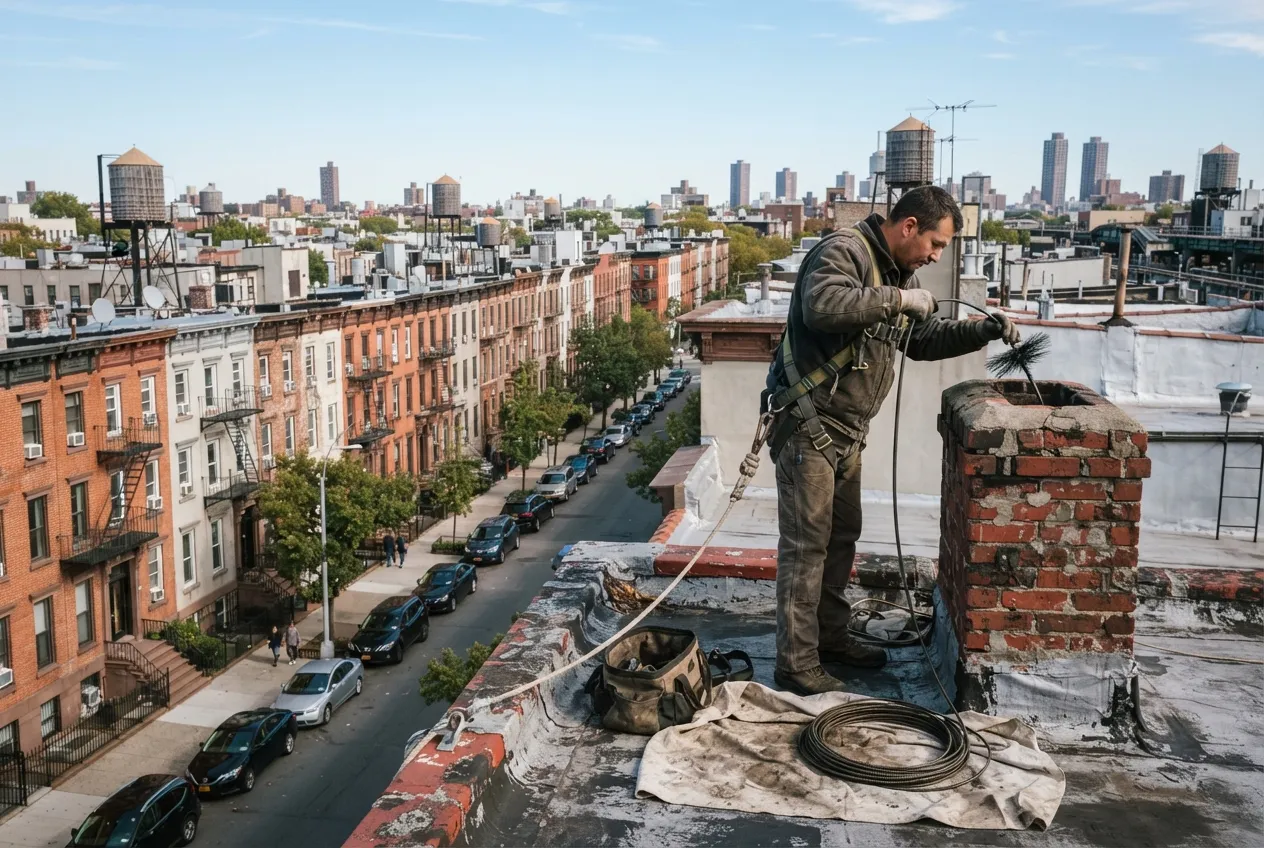
In Lenox Hill, many chimneys were built long before today's boilers, water heaters and gas fireplace inserts. A flue that once carried coal or oil smoke may not be the right size or material for the appliance connected to it now. AshVanta Chimney Services installs chimney liners in townhouses, brownstones and pre-war apartment buildings across the neighborhood. We work from our office in Yorkville, about a mile north. Our certified technicians start by inspecting the flue, then recommend a liner that fits the appliance, the chimney and the way your building actually uses it.
Why Lenox Hill Chimneys Often Need a New Liner
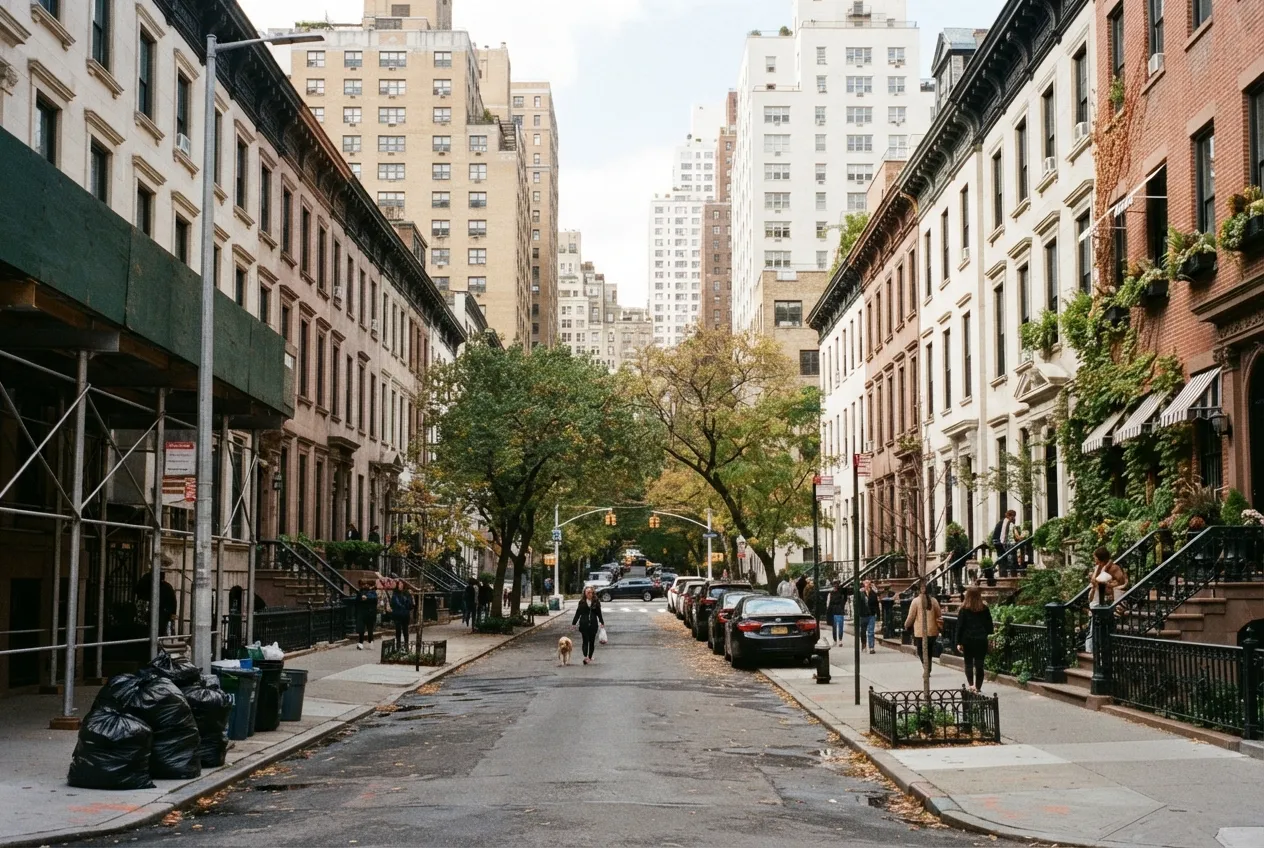
Much of Lenox Hill's housing is older masonry: brownstones, rowhouse-style townhouses and pre-war apartment buildings with tall shared chimneys. Many of these flues have clay tile liners that have cracked or shifted over decades. Others have mortar joints worn down by heat and moisture, and some have no liner at all.
A damaged or missing liner lets heat and exhaust reach brick and wood framing it was never meant to touch. It can also let moisture soak into the masonry. Inside a building, that can show up as stained plaster, flaking brick near the chimney or a draft that doesn't pull well. A new liner gives exhaust a sealed, correctly sized path out of the building.
Oil-to-Gas Conversions and Your Chimney
Many Lenox Hill buildings have switched, or plan to switch, their boilers from oil to gas. When a New York City building converts from oil to gas, the chimney has to be evaluated as part of the work. A new liner is often needed. Gas exhaust produces acidic condensate, and that condensate can corrode a masonry flue that handled oil without trouble for years.
We coordinate with owners, managing agents and the heating contractor so the chimney portion of a conversion is planned, not discovered at the last minute. We confirm the flue's condition and size, then install a liner suited to the new gas appliance.
Choosing the Right Liner
No single liner suits every chimney. Our recommendation depends on what the flue serves, its height and shape, and the condition of the masonry around it. A liner that is too large or too small can cause weak draft and condensation, so we size it to the connected appliance.
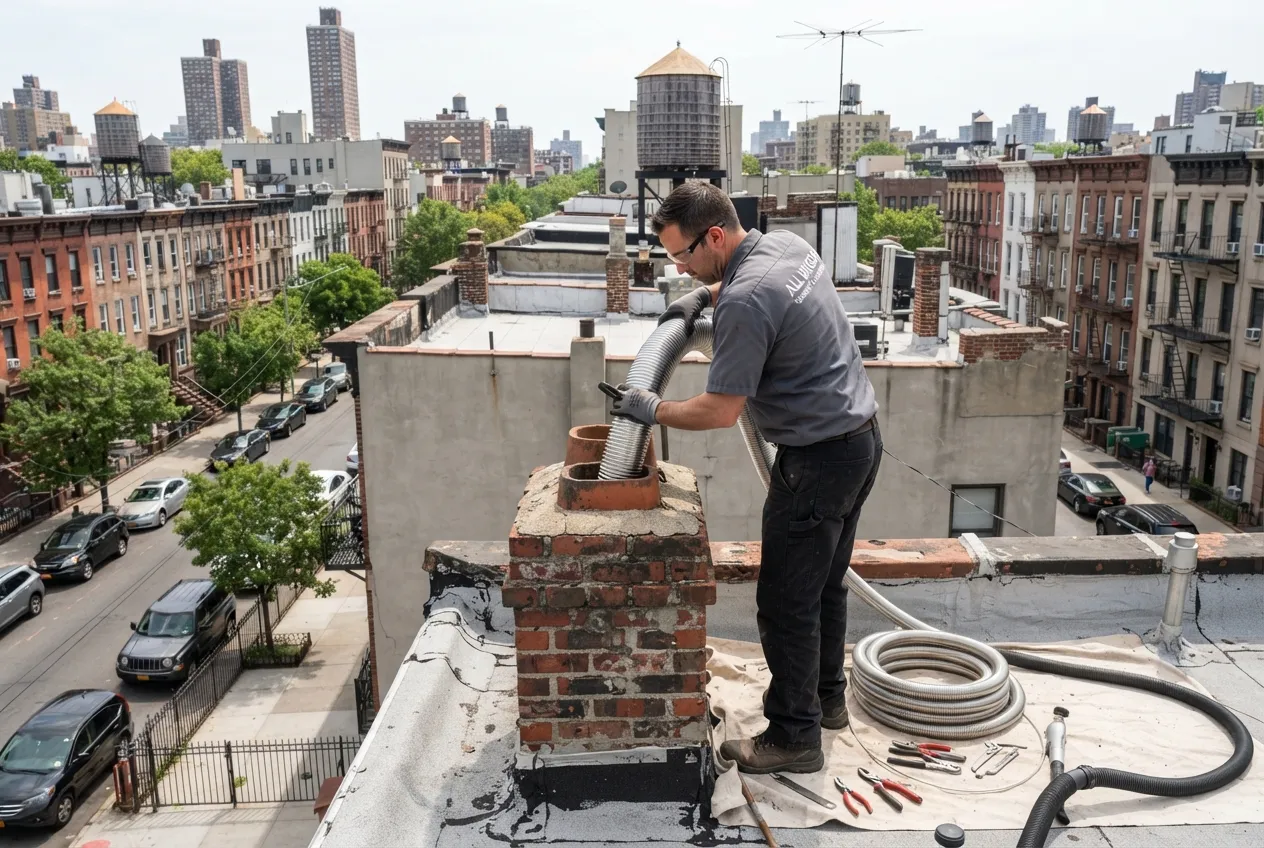
- Stainless steel liners: a common choice for gas and oil boilers, water heaters and many fireplace inserts. They can be installed in older flues that have offsets or bends.
- Cast-in-place liners: a lining material formed inside the existing flue. It can help with chimneys where the masonry needs added support.
- Clay tile replacement: sometimes practical for straight, accessible flues in fireplace chimneys.
- Insulated systems: used where a liner needs to stay warm enough to draft well and limit condensation.
Time for your annual chimney check?
What Installation Involves
The NFPA 211 standard calls for chimneys to be inspected once a year. A Level 2 inspection is used when the system changes, such as a new appliance or a fuel switch, or when a home is sold. That is the starting point for most liner jobs. If a hidden hazard has to be reached by opening part of the chimney or the building, a Level 3 inspection may be needed.
Once we know what the chimney needs, we explain the options in plain terms before any work begins. In occupied buildings, we protect floors and furnishings and keep the work area contained.
- Inspect and camera-scan the flue to document its condition
- Clean the flue and remove broken tile or debris
- Install and connect the liner, including any needed cap and fittings
- Check draft and walk you through the finished work
Planning Around the Heat Season
New York City's heat season runs from October 1 through May 31. During that time, building owners must keep apartments heated to the city's minimum temperatures. For a building whose boiler vents through the chimney, the best time for liner work is usually late spring or summer, when the heating system can be taken offline more easily.
If a problem turns up during the heat season, we work with the owner or managing agent to plan the job and keep downtime as short as practical. In co-ops and condominiums, we can also coordinate access and scheduling with the board or building staff.
Serving Lenox Hill and Nearby Neighborhoods
We install chimney liners throughout Lenox Hill, including ZIP codes 10021, 10065, 10075 and 10162. We also serve nearby Roosevelt Island (10044), the Upper East Side, Carnegie Hill and Yorkville, as well as Old Astoria across the river. Because our office is close by, inspections and follow-up visits are easy to arrange.
More services in Lenox Hill
- Chimney Sweep in Lenox HillLocal service & repairs
- Chimney Inspection in Lenox HillLocal service & repairs
- Chimney Repair in Lenox HillLocal service & repairs
- Air Duct Cleaning in Lenox HillLocal service & repairs