The short answer
The NFPA 211 standard calls for chimneys, fireplaces and vents to be inspected once a year, and Lenox Hill's older masonry homes and buildings benefit from staying on that schedule. AshVanta Chimney Services performs Level 1, 2 and 3 inspections across Lenox Hill and recommends the level that matches your home's situation.
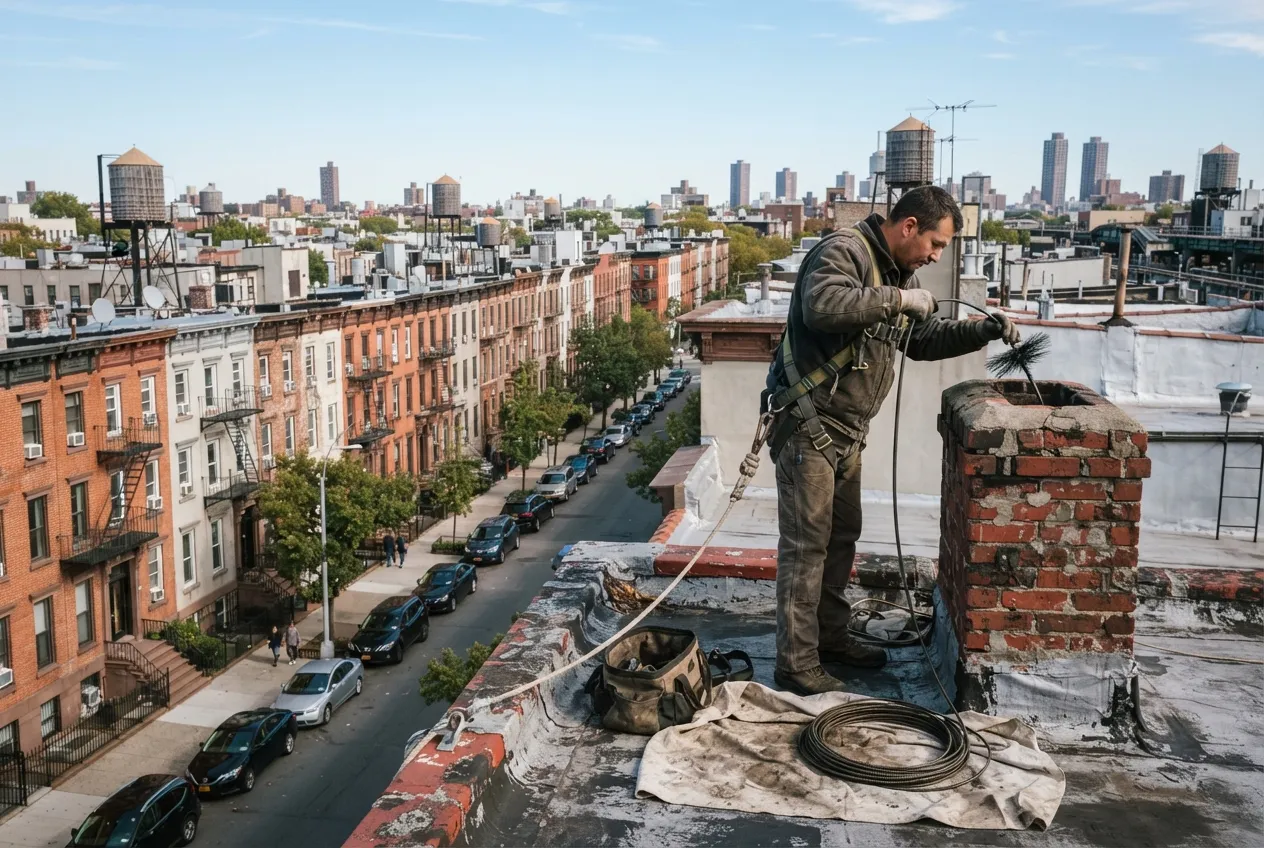
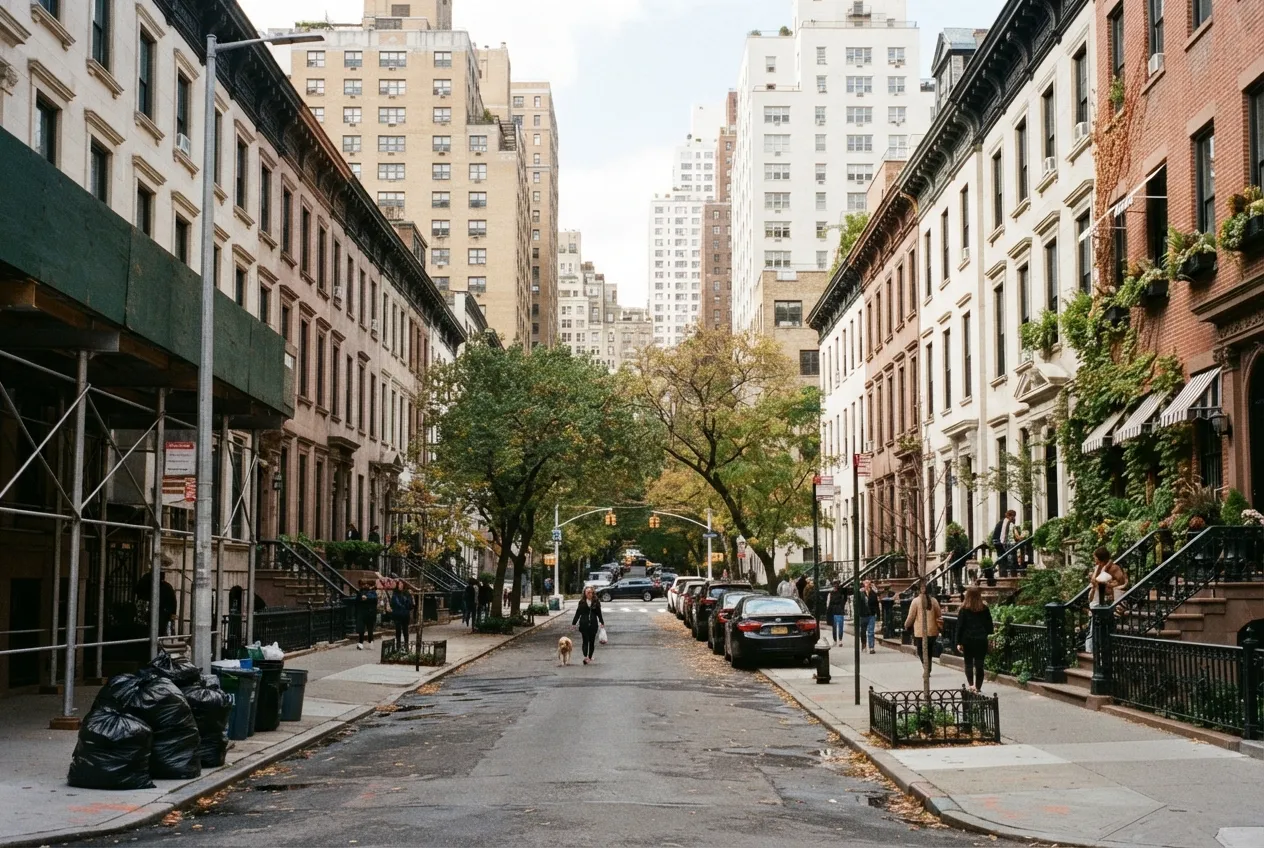
Lenox Hill has brownstones, rowhouses, townhouses and pre-war apartment buildings, and many of them still have working fireplaces, boiler flues or both. These chimneys are often old, tall and shared between floors or units, so problems tend to stay out of sight until something goes wrong. AshVanta Chimney Services inspects chimneys, fireplaces and vents throughout Lenox Hill from our office in Yorkville, about a mile north. Our certified technicians tell you what condition your chimney is in, what the inspection found, and what, if anything, needs attention before you light a fire or the heating system runs hard for the season.
Why Lenox Hill Chimneys Need a Yearly Look
Most chimneys in Lenox Hill were built of brick and mortar long before today's heating equipment existed. Over time, mortar joints wear, flue tiles crack, and crowns and caps take a beating from New York winters. In a brownstone or townhouse, one chimney stack may hold several flues serving fireplaces on different floors. In a pre-war apartment building, the chimney may vent a central boiler that runs for months at a stretch.
The NFPA 211 standard calls for chimneys, fireplaces and vents to be inspected once a year. That yearly check is how small issues, such as a loose cap, early mortar erosion or creosote buildup, get found while they are still simple to address.
Choosing the Right Inspection Level
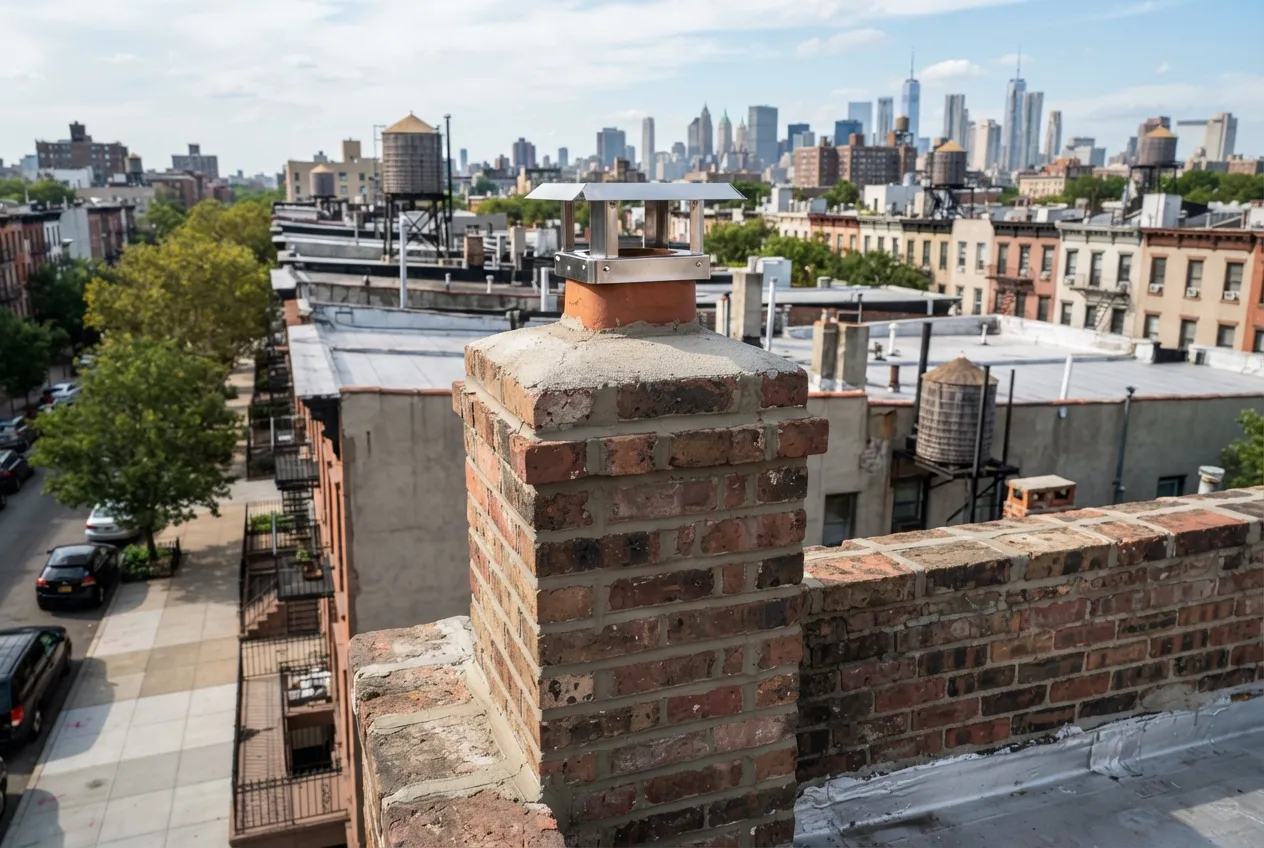
Chimney professionals use three inspection levels. We'll ask about your home and how the chimney is used, then recommend the level that fits. You won't be pushed into a deeper inspection than your situation calls for.
- Level 1: For chimneys where nothing has changed since the last inspection. We examine the readily accessible parts of the chimney, firebox, damper and connections.
- Level 2: For when the system changes, such as a new appliance or a switch of fuel, or when the home is being sold. This is common when Lenox Hill brownstones and co-op units change hands.
- Level 3: For when a hidden hazard has to be reached by opening part of the chimney or building. We only recommend this when there's a specific concern that can't be evaluated any other way.
Oil-to-Gas Conversions and Chimney Liners
Many Lenox Hill buildings and townhouses have moved, or are planning to move, from oil heat to gas. When a New York City building converts its boiler from oil to gas, the chimney has to be evaluated as part of the work. A new liner is often needed because gas exhaust produces acidic condensate that can corrode a masonry flue.
If you're planning a conversion, have the chimney inspected early so you know whether the existing flue can handle the new equipment. A switch of fuel is one of the situations where a Level 2 inspection applies. We'll explain what we see inside the flue so you and your heating contractor can plan the work together.
Time for your annual chimney check?
Timing Your Inspection Around Heat Season
New York City's heat season runs from October 1 through May 31. During those months, building owners must keep apartments heated to the city's minimum temperatures, so boiler chimneys get heavy, steady use. A chimney problem found in January is harder to deal with than one found in August.
For most Lenox Hill homeowners and building owners, late spring through early fall is the most practical time to schedule an inspection. That leaves room to make any repairs before the heat comes back on. If you use a wood-burning fireplace, the same window lets you head into fall knowing the firebox, damper and flue are ready.
What We Check and What You Get
Every inspection is built around your specific chimney, but these are the main areas our technicians look at in Lenox Hill homes:
- Firebox, smoke chamber, damper and hearth condition
- Flue liner condition, including cracks, gaps and corrosion
- Creosote and soot buildup in wood-burning fireplaces
- Blockages from debris, nesting animals or fallen masonry
- Crown, cap and exterior masonry where safely accessible
- Connections between heating appliances and the chimney
More services in Lenox Hill
- Chimney Sweep in Lenox HillLocal service & repairs
- Chimney Repair in Lenox HillLocal service & repairs
- Air Duct Cleaning in Lenox HillLocal service & repairs
- Chimney Liner Installation in Lenox HillLocal service & repairs