The short answer
Yes, AshVanta Chimney Services serves Steinway, Queens (11105), about 3 miles from our Yorkville office. We handle chimney sweeping, inspection, repair, liners, caps, waterproofing, rebuilding, and dryer vent and air duct cleaning for the neighborhood's rowhouses, detached homes and apartment buildings.
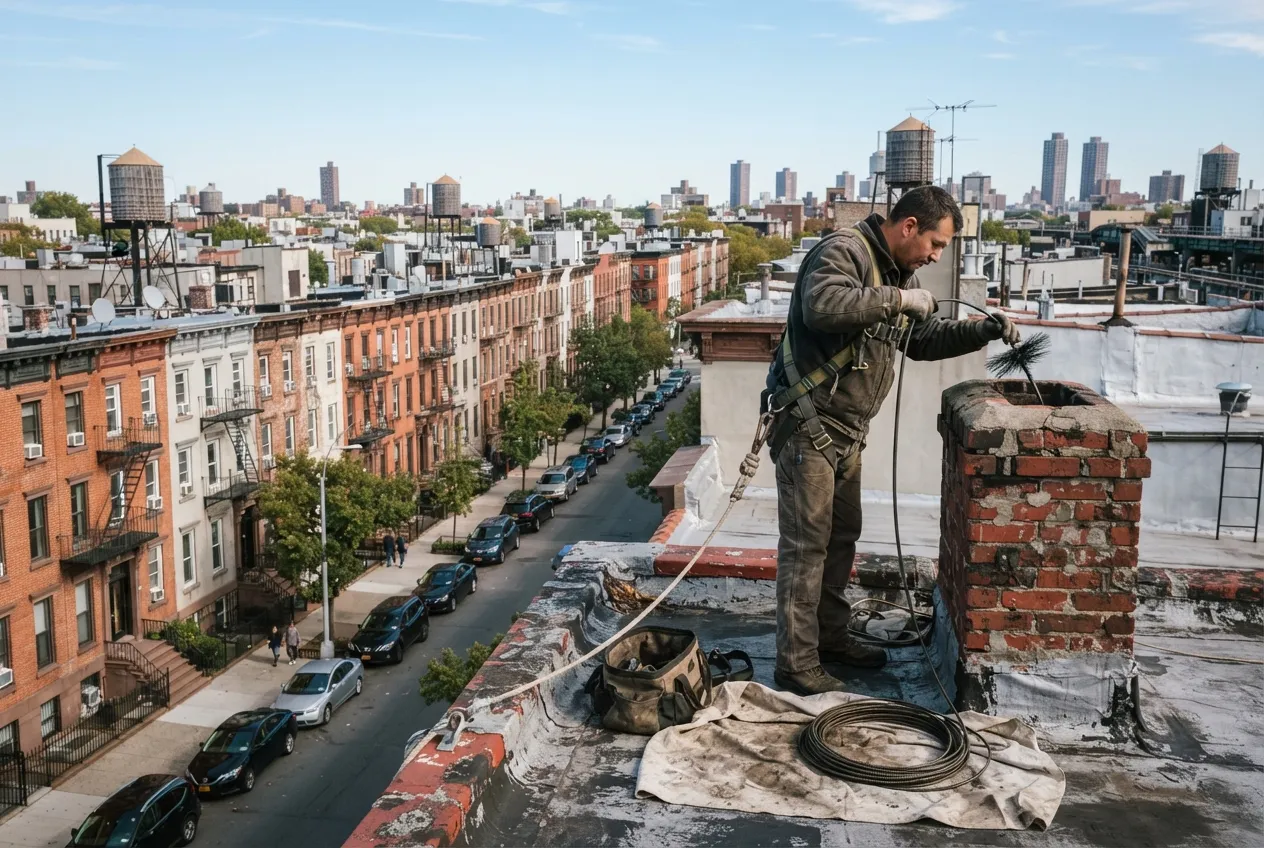
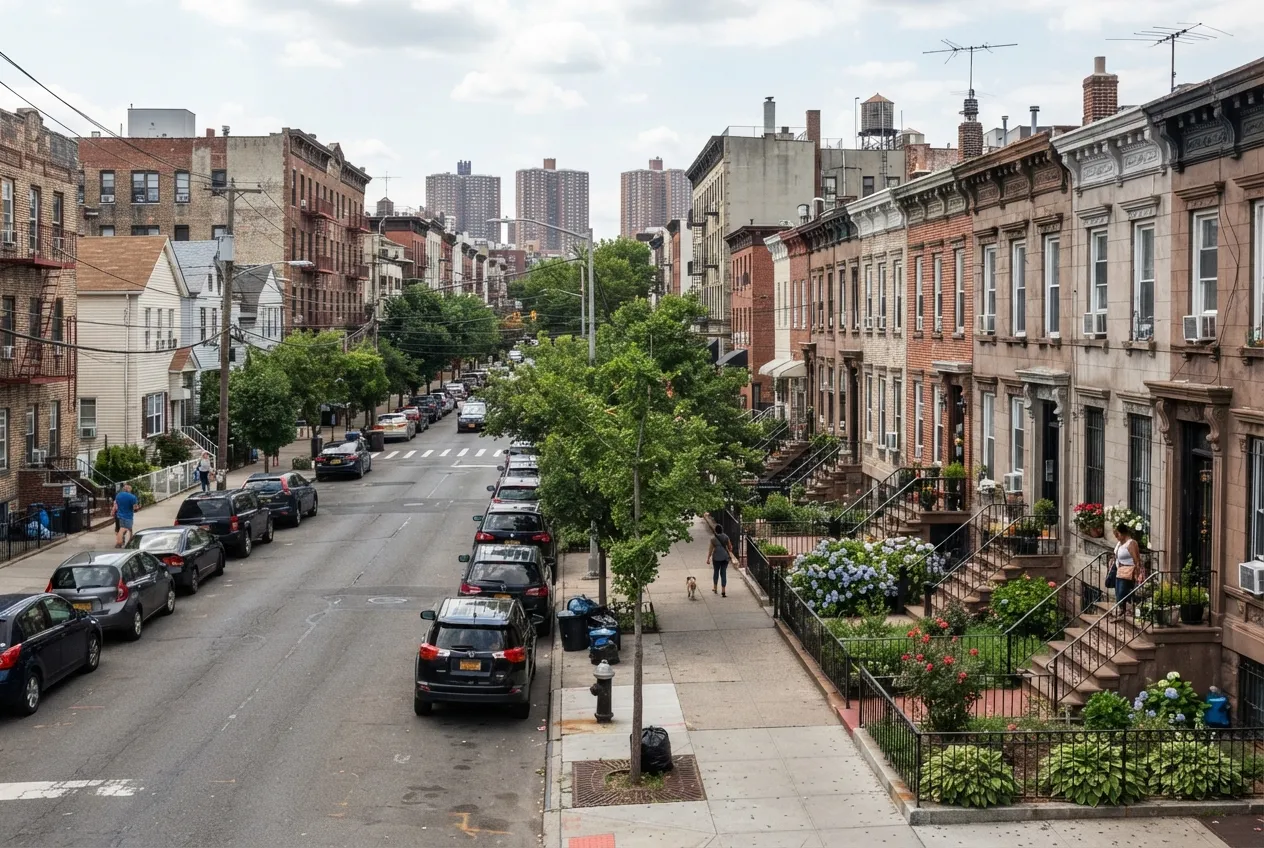
Steinway is a Queens neighborhood in ZIP code 11105, about 3 miles east of our office in Yorkville, Manhattan. AshVanta Chimney Services works on the chimneys, flues, dryer vents and air ducts in Steinway's attached rowhouses, two-family homes, detached houses and pre-war apartment buildings. Our certified technicians sweep and inspect chimneys, repair and rebuild masonry, install liners, fit caps and chase covers, and clean dryer vents and ductwork. This page covers what we usually find in Steinway homes and how to plan the work around New York's long heating season.
What Steinway Homes Need From a Chimney
Most chimneys in Steinway are masonry, and many have served a boiler or furnace for decades rather than an open fireplace. In attached rowhouses and two-family homes, the chimney often runs up a shared or party wall, so cracks, loose mortar or a deteriorated flue can affect more than one household. Detached homes tend to have a single exterior chimney that takes the full force of wind and rain.
The climate is hard on brick and mortar. Cold, wet winters bring repeated freeze-thaw cycles: water soaks into porous masonry, freezes, expands and pushes joints apart. Humid summers and heavy coastal storms add more moisture. Over time this shows up as crumbling mortar, spalled brick faces, rusted dampers and water stains near the chimney inside the house.
Yearly Inspections and Sweeping
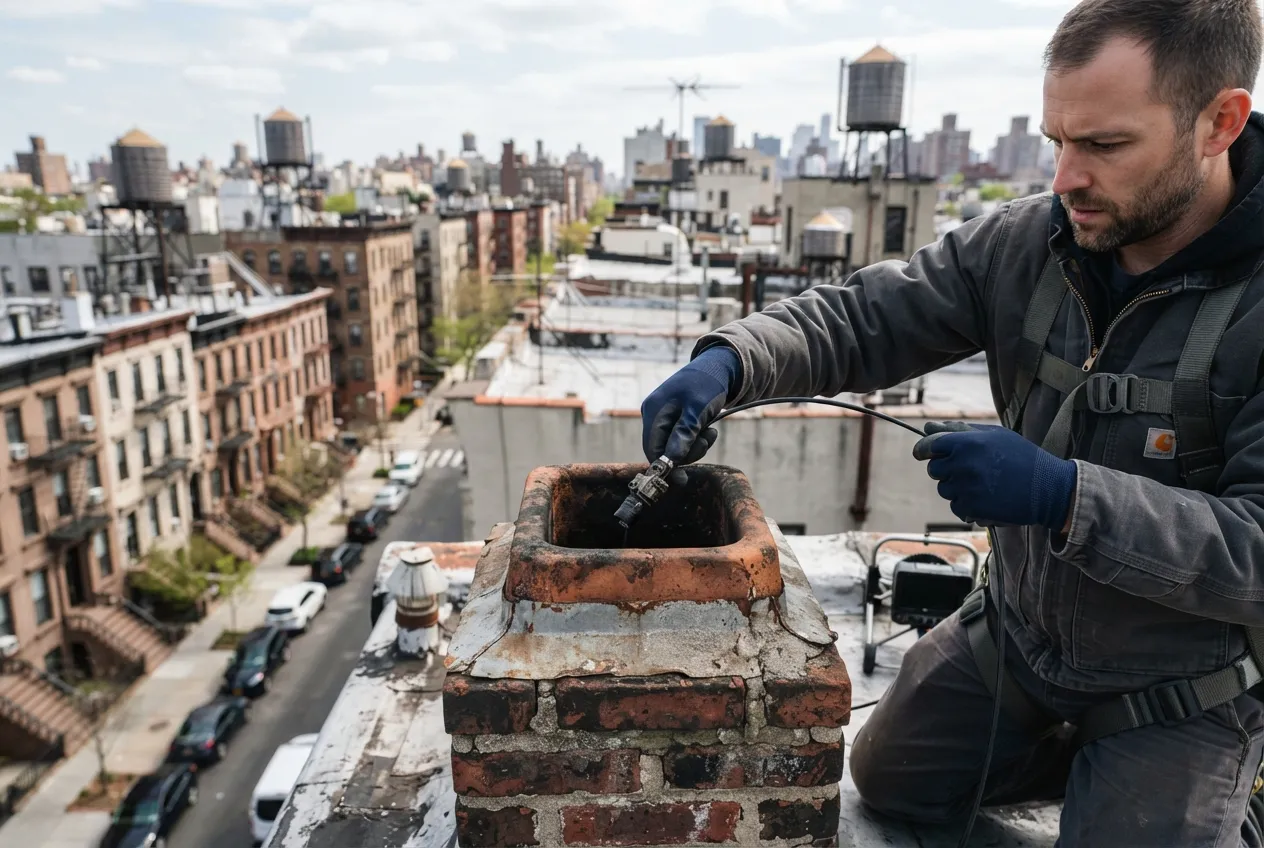
The NFPA 211 standard calls for chimneys, fireplaces and vents to be inspected once a year. We follow the three inspection levels used across the trade, and we will tell you which one fits your situation before we start.
Sweeping removes soot, creosote and debris that restrict draft and can ignite. If you burn wood, we sweep the flue and check the smoke chamber, damper and firebox. If the chimney serves a gas or oil appliance, we look for blockages, deterioration and signs of condensation damage.
- Level 1: a visual check of accessible parts when nothing about the system has changed
- Level 2: needed when you add or replace an appliance, switch fuels, or buy or sell the home; includes a camera scan of the flue
- Level 3: used when a hidden hazard can only be reached by opening part of the chimney or building
Oil-to-Gas Conversions and Chimney Liners
Many Steinway buildings have moved, or are planning to move, from oil heat to gas. When a New York City building converts its boiler from oil to gas, the chimney has to be evaluated as part of the work. A new liner is often needed, because gas exhaust produces acidic condensate that can corrode an unlined or clay-lined masonry flue from the inside.
We inspect the existing flue, size a liner to the new appliance, and install it so exhaust leaves the building safely. Doing this during the conversion avoids having to reopen work later.
Time for your annual chimney check?
Repair, Waterproofing, Caps and Rebuilding
Most chimney damage we see starts with water. A cap with mesh keeps rain, debris, birds and squirrels out of the flue, and a chase cover protects the top of a framed chimney. Waterproofing applied to sound masonry lets moisture escape while slowing how much soaks in, which reduces freeze-thaw damage.
When the damage has gone further, we repoint mortar joints, replace broken bricks, rebuild crowns, and repair fireplace fireboxes and dampers. If the top of the chimney is loose or leaning, we rebuild it from the roofline up so it is stable again.
Dryer Vent and Air Duct Cleaning
According to the U.S. Fire Administration, failure to clean is the leading factor contributing to clothes dryer fires in homes. In rowhouses and apartment buildings, dryer vents often run long distances or through tight bends where lint builds up. We clean the full run to the exterior and check the outside termination.
For air ducts, we follow the EPA's guidance: cleaning makes sense when there is substantial visible mold growth, vermin, or excessive dust and debris. The EPA notes duct cleaning has not been shown to prevent health problems, so we will tell you plainly whether your ducts need it, and we are careful about chemical treatments.
ZIP codes we serve
- 11105