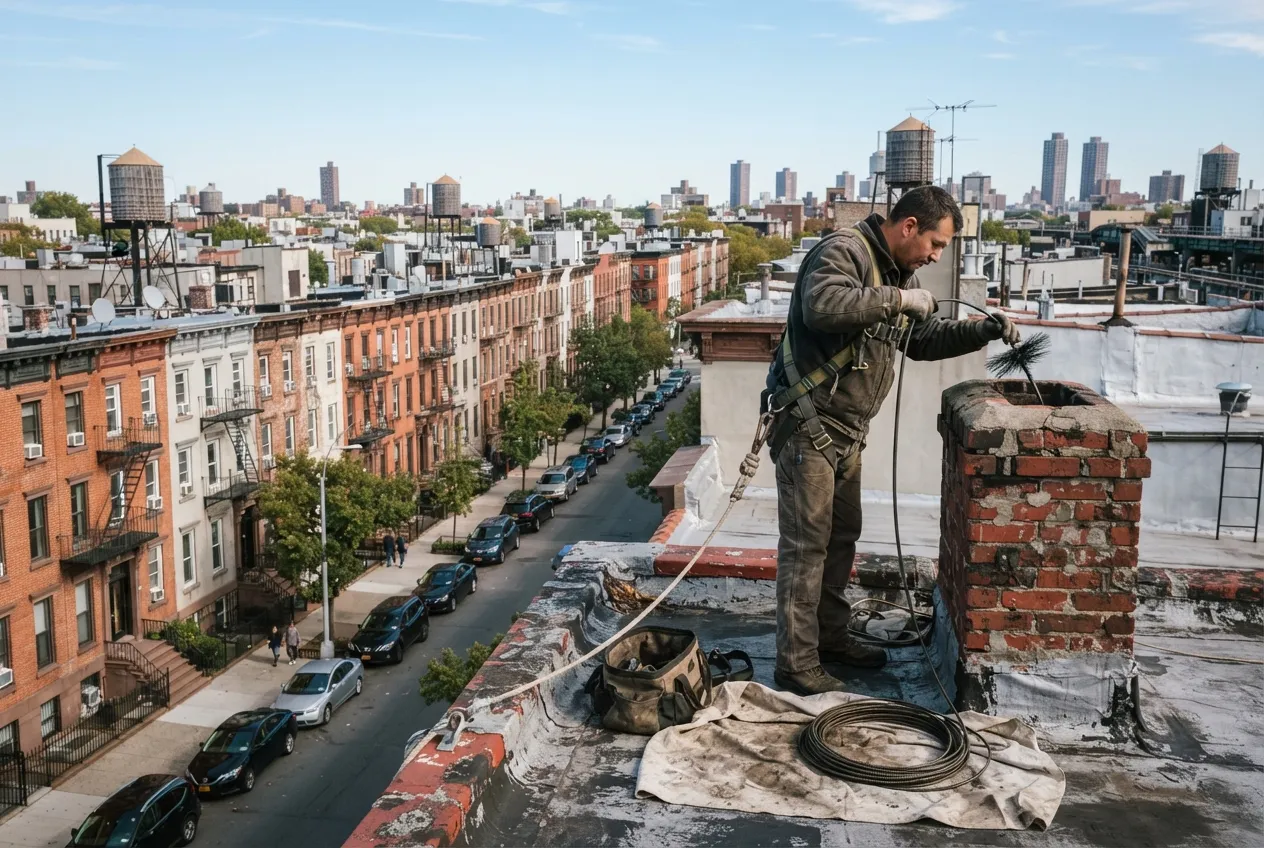
The short answer
Yes, AshVanta Chimney Services serves Manhattanville, about 2 miles north of our Yorkville office. We handle chimney sweeping, inspections, repairs, liners, waterproofing, caps, rebuilding, fireplace and damper work, and dryer vent and air duct cleaning for the neighborhood's older masonry homes and apartment buildings.
AshVanta Chimney Services works in Manhattanville from our office in Yorkville, about 2 miles to the south. We sweep, inspect and repair chimneys and fireplaces, install liners, and clean dryer vents and air ducts for the neighborhood's rowhouses, brownstones and pre-war apartment buildings. Our certified technicians serve owners of a single home with a fireplace and managers of a building with a boiler flue alike. They explain what they find in plain terms before recommending any work.
Chimneys and vents in Manhattanville's older housing
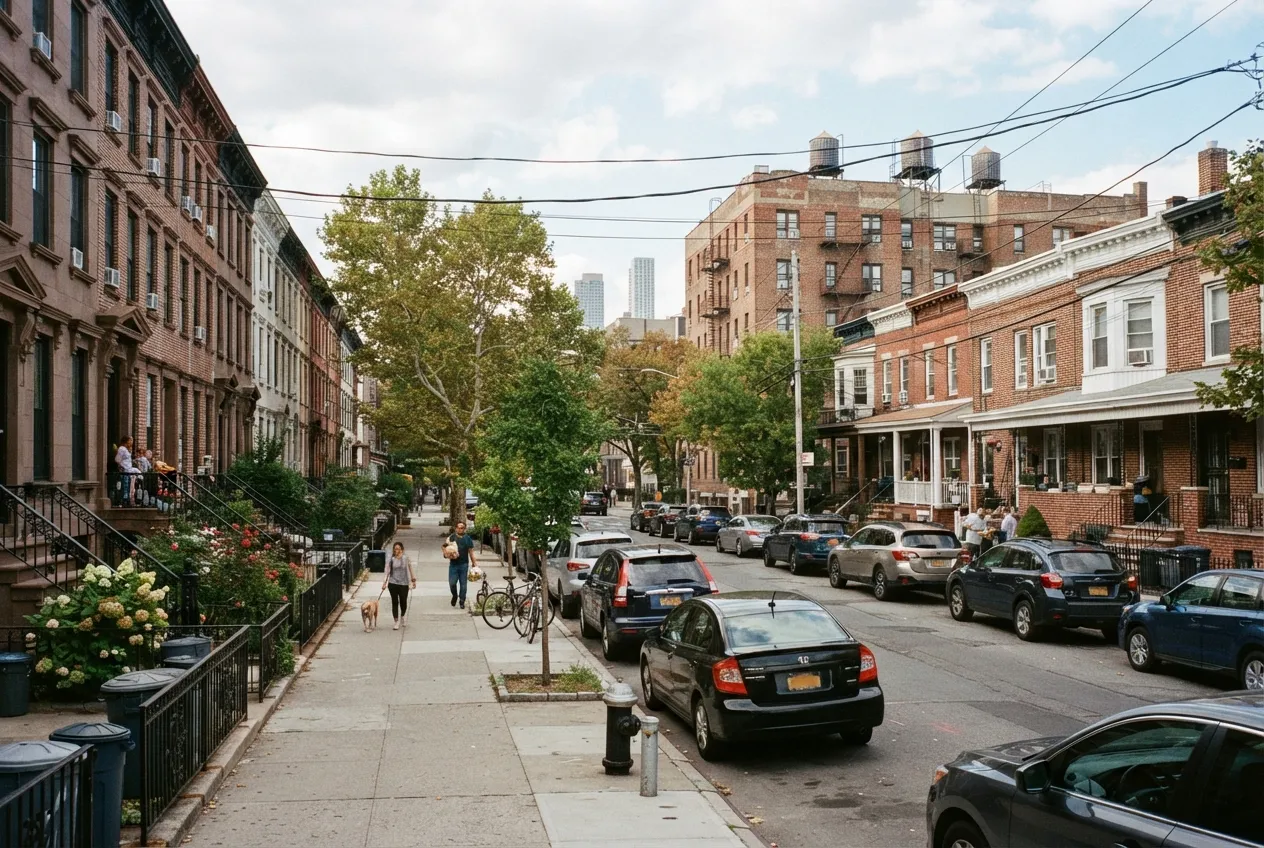
Much of Manhattanville's housing is older masonry. There are rowhouses and brownstones with fireplaces that may have sat unused for years, and pre-war apartment buildings where one chimney vents the boiler. Many of these flues were built for coal or wood and have been adapted more than once since. That history matters. A flue that has served several fuels can hide cracked tiles, eroded mortar or a liner that no longer suits the appliance connected to it.
Before we light anything or suggest a repair, we check how the chimney is used today and whether its parts match that use.
What New York winters and storms do to masonry
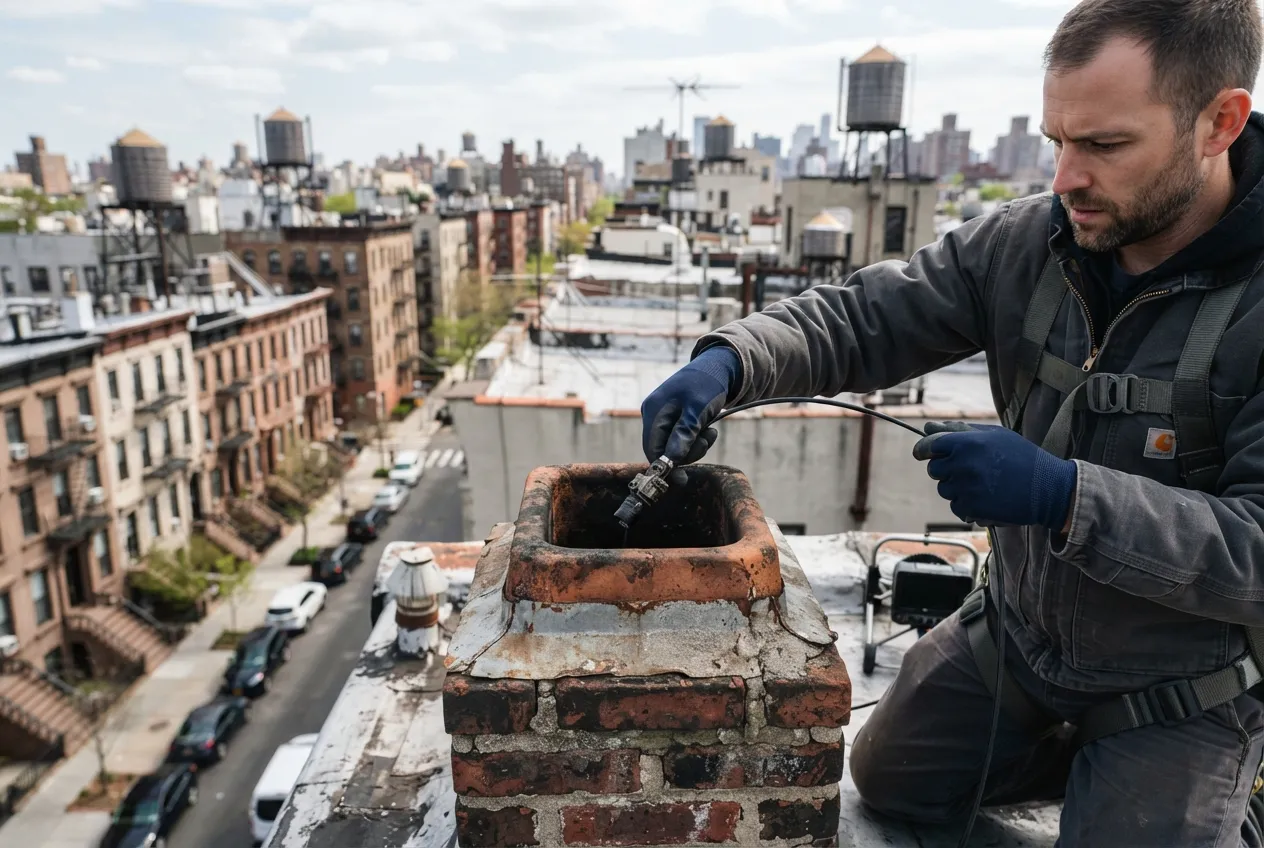
Manhattan winters swing above and below freezing, sometimes several times in one week. Water that soaks into brick and mortar freezes, expands and pushes the masonry apart a little more each cycle. Humid summers, heavy rain and nor'easters add more moisture. Over time you may see flaking brick, a cracked crown, rusted damper parts or stains on walls and ceilings near the chimney. These are the repairs we handle most often on older stacks:
- Chimney cap and chase cover: keeps rain, birds and debris out of the flue
- Chimney waterproofing: a breathable sealer that slows water absorption while letting brick dry out
- Chimney repair: repointing mortar joints, crown repair and flashing fixes
- Chimney rebuilding: for stacks above the roofline that are loose, leaning or badly deteriorated
- Fireplace and damper repair: for dampers that stick, rust through or no longer close tightly
Yearly inspections and sweeping
The NFPA 211 standard calls for chimneys, fireplaces and vents to be inspected once a year. A Level 1 inspection fits when nothing about the system has changed. A Level 2 inspection applies when something changes, such as a new appliance or a switch in fuel, or when the home is sold. A Level 3 inspection is used when a suspected hazard can only be reached by opening part of the chimney or the building.
Sweeping removes soot and creosote that build up inside the flue and can restrict draft or catch fire. If you use your fireplace regularly, plan on an inspection each year, and we will tell you whether a sweep is needed.
Time for your annual chimney check?
Converting from oil to gas
When a New York City building converts its boiler from oil to gas, the chimney has to be evaluated as part of the job. A new liner is often needed. Gas exhaust produces acidic condensate, and over time that moisture can corrode an unlined or clay-lined masonry flue.
We inspect the existing flue, check that its size matches the new appliance, and install a properly sized liner when one is called for. Liners also help older fireplace chimneys that have cracked or missing flue tiles.
Dryer vents and air ducts
According to the U.S. Fire Administration, failure to clean is the leading factor contributing to clothes dryer fires in homes. In older buildings, dryer vents often run long distances with several turns, so lint collects faster than many people expect. Loads that take longer to dry or a laundry room that feels hot are common signs that the vent needs cleaning.
For air ducts, we follow the U.S. EPA's guidance. Cleaning makes sense when there is substantial visible mold, signs of vermin, or excessive dust and debris. The EPA notes that duct cleaning has not been shown to prevent health problems, and it advises caution with chemical treatments. We tell you what we see inside your ducts and only recommend cleaning when it is warranted.
Scheduling around heat season
New York City's heat season runs from October 1 through May 31, when building owners must keep apartments heated to the city's minimum temperatures. For building owners, late spring and summer are the easiest times to inspect a boiler chimney, reline a flue or repair masonry without interrupting heat. Homeowners with fireplaces also benefit from booking before the first cold snap.
Along with Manhattanville, we serve nearby Morningside Heights, Manhattan Valley, East Harlem, the Upper West Side and Yorkville.