The short answer
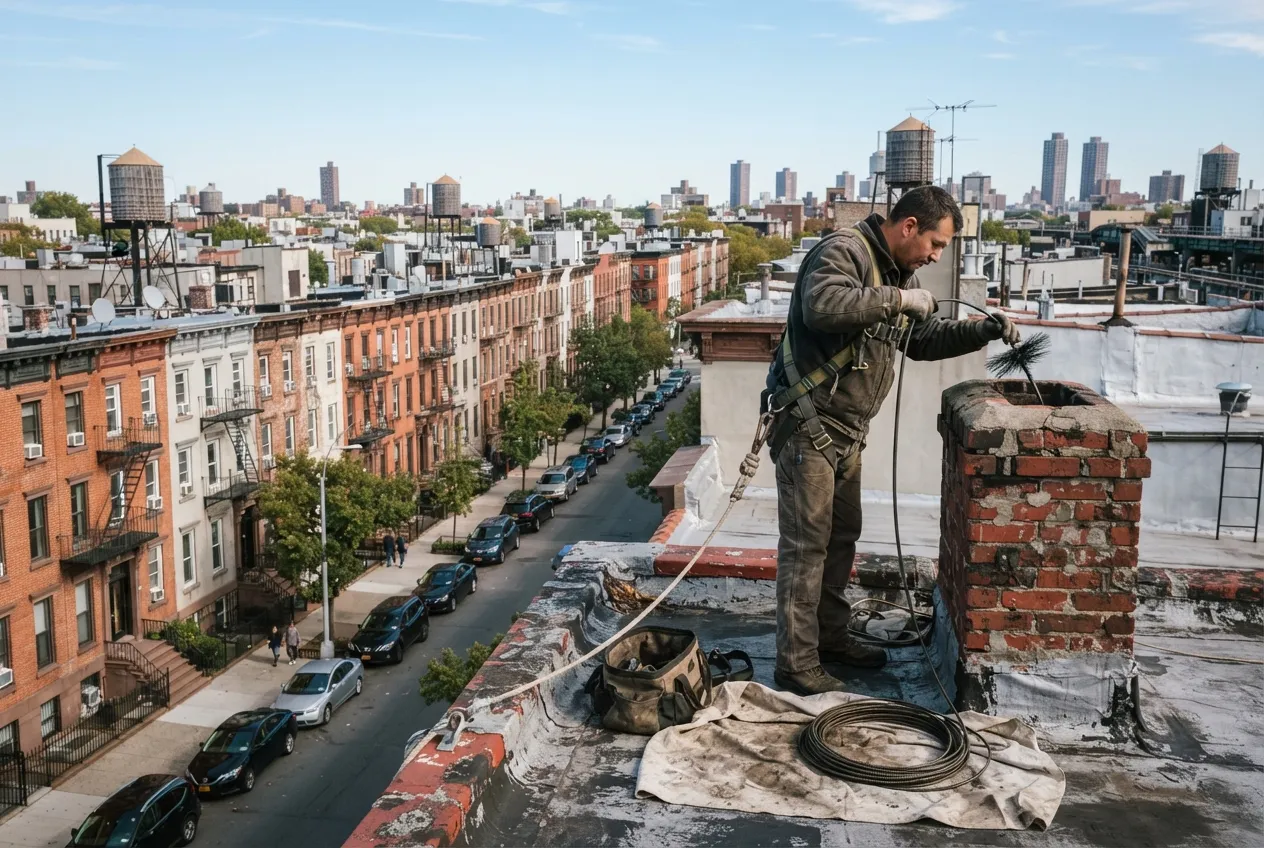
AshVanta Chimney Services provides chimney inspections and cleaning, dryer vent cleaning and air duct cleaning throughout the Bronx, including Mott Haven and Port Morris. We follow the yearly inspection schedule set by NFPA 211 and help building owners evaluate chimneys during oil-to-gas boiler conversions.
AshVanta Chimney Services cleans and inspects chimneys, dryer vents and air ducts for homeowners across the Bronx, including Mott Haven and Port Morris. You might burn wood in a fireplace, run a stove or have a boiler that vents through a masonry flue. In each case our certified technicians look at the whole venting system, explain what they find in plain language and recommend only the work your home actually needs.
Yearly Chimney Inspections
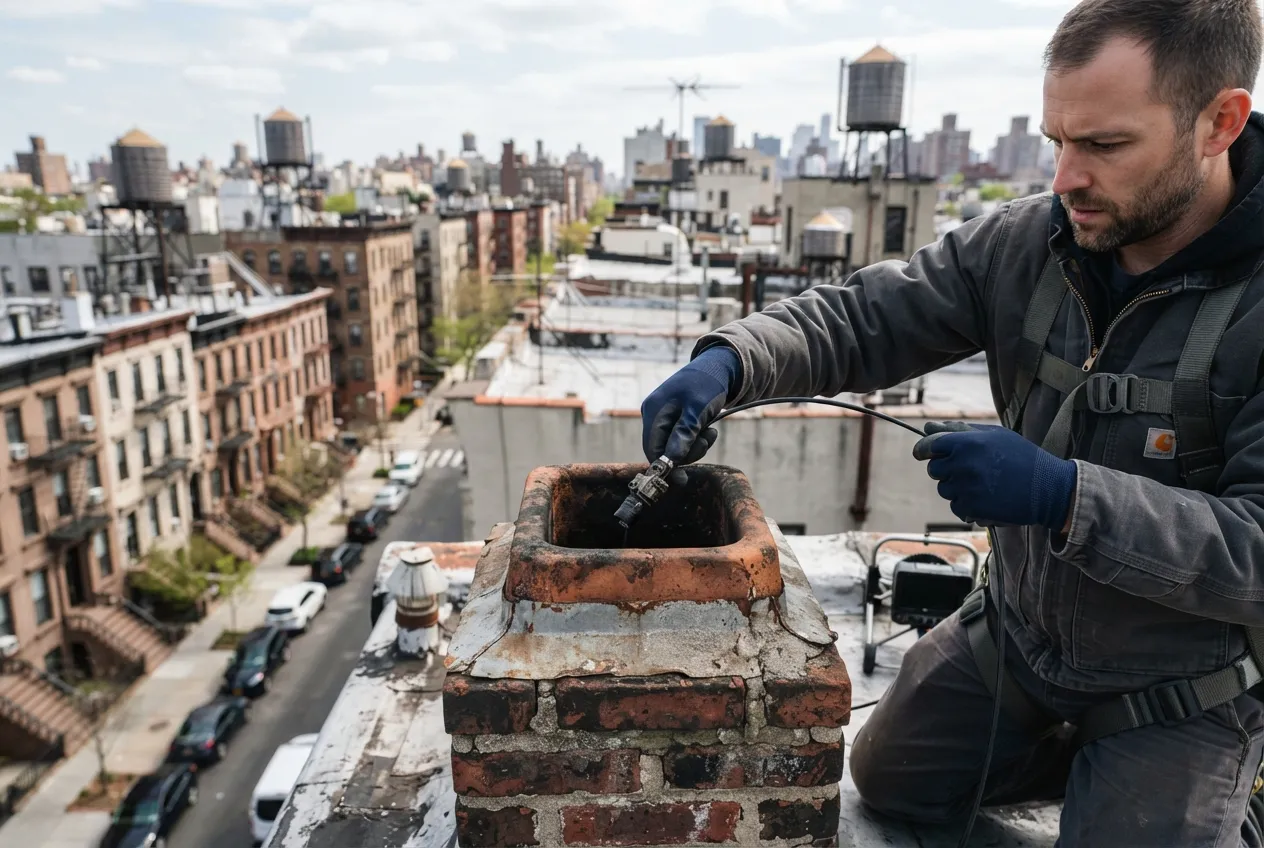
The NFPA 211 standard calls for chimneys, fireplaces and vents to be inspected once a year, even if you rarely use them. Soot, creosote, loose masonry and animal nests can build up quietly, and a yearly inspection catches them before they cause a fire or a draft problem. Chimney professionals use three inspection levels, and we'll tell you which one fits your situation:
- Level 1: a standard check of the accessible parts, used when nothing about the system has changed.
- Level 2: needed when the system changes, such as a new appliance or a switch of fuel, or when the home is sold.
- Level 3: used when a hidden hazard has to be reached by opening part of the chimney or building.
Oil-to-Gas Conversions and Chimney Liners
When a New York City building converts its boiler from oil to gas, the chimney has to be evaluated as part of the work. A new liner is often needed because gas exhaust produces acidic condensate that can corrode a masonry flue from the inside. If you're planning a conversion, we can inspect the flue and explain whether relining makes sense before the new equipment goes in.
Timing matters too. New York City's heat season runs from October 1 through May 31. During that period, building owners must keep apartments heated to the city's minimum temperatures. Scheduling chimney inspections and liner work in the warmer months helps you avoid taking heat offline when tenants depend on it.
Dryer Vent Cleaning
According to the U.S. Fire Administration, failure to clean is the leading factor contributing to clothes dryer fires in homes. Lint collects in the vent between the dryer and the outside wall, especially in long or bent runs. We clean the full length of the vent, check the exterior cap and point out any crushed or damaged ducting. Watch for these signs that your vent needs attention:
- Clothes take more than one cycle to dry
- The dryer or laundry area feels unusually hot
- You notice a burning or musty smell
- Lint builds up around the outside vent flap
Time for your annual chimney check?
Air Duct Cleaning, Explained Honestly
We'll be straightforward about air duct cleaning. The U.S. EPA advises cleaning air ducts when there is substantial visible mold growth, vermin, or excessive dust and debris. The EPA also says duct cleaning has not been shown to prevent health problems, so we won't promise that it will.
The EPA warns consumers to research the process before responding to very cheap advertised offers and to be careful with chemical treatments. We'll show you what we see inside your ducts. We won't apply sanitizers or coatings without first explaining them and getting your OK.
What to Expect in Mott Haven and Port Morris
Our technicians use drop cloths and HEPA vacuums to keep soot and dust contained. In shared buildings, we work around tenants and neighbors. After each visit you get a plain summary of what we cleaned, what we found and anything that needs attention, so you can plan repairs on your own schedule.